
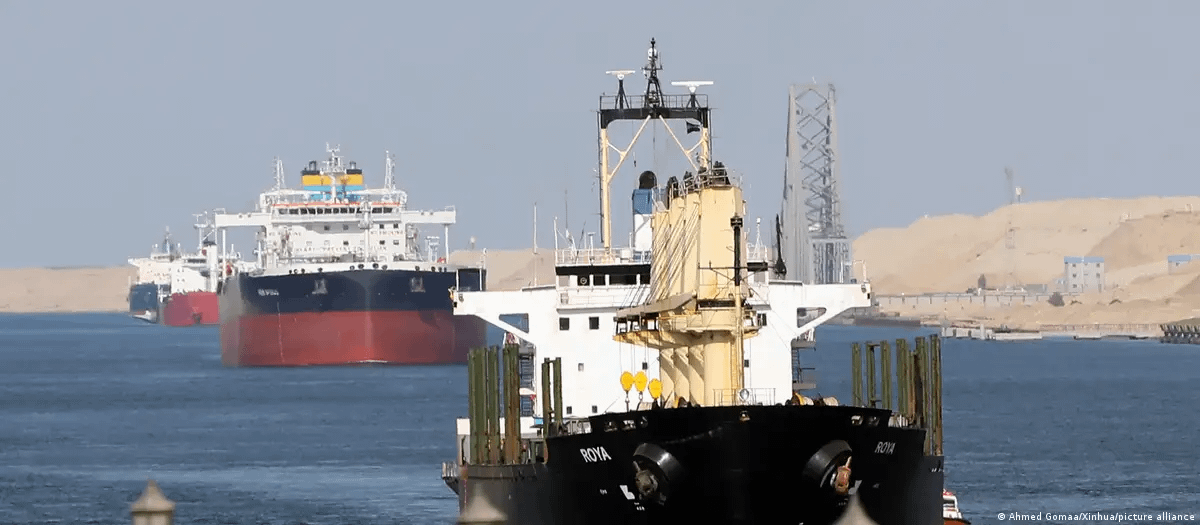
The Iranian regime has recently been accused of extortion and creating a threat to global energy security. The basis for such claims is that Tehran, according to reports, has started charging up to $2 million from each vessel for "safe passage" through the Strait of Hormuz.
This waterway, located between Iran and Oman, is a vital energy corridor for the world. Before the current military escalation in the Middle East, one-fifth of all oil and gas consumed globally passed through the strait.
How Tehran justifies tolls for passing through the Hormuz Strait
Tehran justifies the introduction of tolls as a necessity for reparations for damage caused to the Islamic Republic from U.S.-Israeli airstrikes, as well as payment for 'navigational services,' environmental protection measures, and security maintenance. There's also mention of some joint protocol with Oman that would require ships to obtain permits before passing through the strait.
Some Asian shipping companies and smaller carriers have quietly agreed to pay the new fee, but leading players in the maritime transport market refuse to do so. Meanwhile, the Washington-based Institute for the Study of War (ISW) labeled these fees as 'maritime racketeering under the guise of protection.'
Earlier this month, Reuters reported, citing a U.S. State Department representative, that the United States and China have agreed on a common stance against such fees. Gulf states have also rejected this initiative. Maritime law experts emphasize that there are strong reasons why Iran should not charge fees for passage through the Hormuz Strait, while similar charges on other important waterways—like the Suez and Panama Canals—are legal.
Tolls for passing through straits and maritime law
According to international maritime law, natural straits used for navigation are governed by special conventions aimed at protecting global trade and freedom of navigation. The UN Convention on the Law of the Sea (UNCLOS) grants ships of all states the right of transit passage through straits connecting two parts of so-called international waters.
To exercise the right of transit passage, a ship must pass through the strait without unjustified delays and must not anchor—except in emergencies. According to UNCLOS provisions, transit of vessels should occur without interference from the coastal state or states. They may only charge limited fees for specific services, including pilotage and towing.
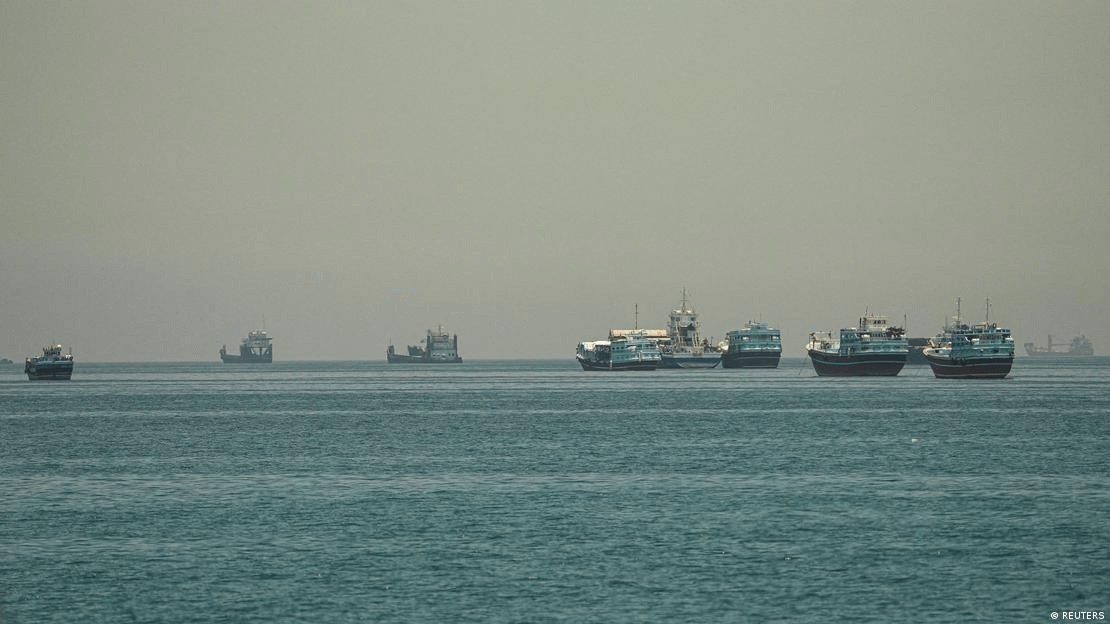
Why can operators of the Suez and Panama Canals charge fees
The Suez and Panama Canals are artificial waterways built, owned, and operated by sovereign states.
So, Egypt rakes in about $4 billion annually from tolls on ships passing through the 193-kilometer Suez Canal. The Constantinople Convention of 1888, signed by the leading powers of the time, explicitly allows the Egyptian government to charge fees to cover the expenses of maintenance, operation, and modernization of this waterway.
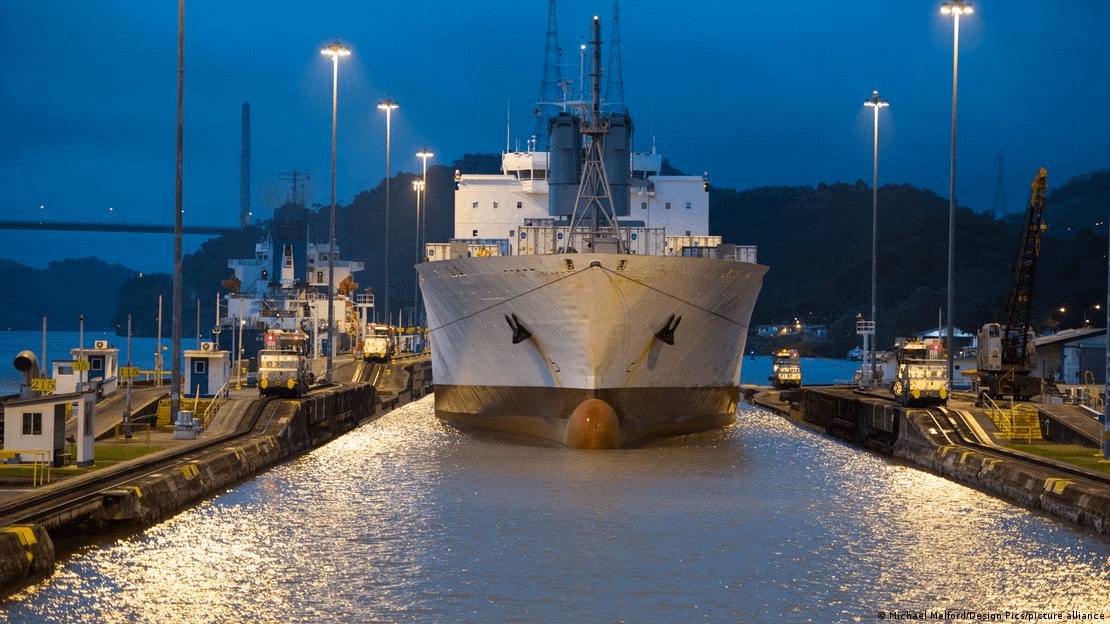
The Panama Canal, managed by the Panama Canal Authority on behalf of the Panamanian government, also has the right to charge fees for passing ships based on separate international agreements. Built in 1914 and connecting the Pacific and Atlantic Oceans, the Panama Canal requires enormous maintenance costs, including regular dredging to combat siltation and the impacts of landslides.
However, operators of both canals generally charge passing ships less than half of what Iran is reportedly demanding today.
Can fees be charged for natural sea routes?
Under the current rules, there are exceptions where, in certain specific cases, tolls can be charged for ships passing through straits or using maritime routes. For instance, Russia charges fees for icebreaker services, pilotage, and service support along the Northern Sea Route (NSR), which runs along the northern coast of the country.
It’s a shorter route between Europe and Asia compared to the Suez Canal. The NSR runs through the Arctic Ocean, linking the Atlantic and Pacific Oceans via the Barents Sea and Bering Strait. The route is mainly used in summer when the ice melts, and it's actively utilized by ships from Russia, China, and South Korea. Moscow views significant portions of this route as 'historically established national transport communication of the Russian Federation' or as 'ice-covered areas' under Article 234 of the UN Convention on the Law of the Sea.
Canada has similar claims over the Northwest Passage—a maritime route through the Canadian Arctic Archipelago that connects the Atlantic and Pacific Oceans. From time to time, Canadian authorities consider introducing tolls for ships passing through, but they face pushback from the U.S.
Another example is the Bosporus and Dardanelles straits, which connect the Black Sea with the Mediterranean and are under Turkish sovereignty. However, the regime of vessel passage there is also regulated by the Montreux Convention of 1936. Under this treaty, Turkey is obliged to ensure the freedom of passage for commercial vessels and may only charge limited fees for navigational services and lighthouse maintenance, but not for transit.
The dispute over the Hormuz Strait
The dispute over tolls for passage through the Hormuz Strait remains one of the main obstacles in ongoing peace negotiations between the U.S. and Iran, aimed at fully restoring shipping through Hormuz. Washington insists that the strait must be completely open as an international waterway allowing transit for vessels of all nations—without control from Iran, special permits, or additional payments.
"The strait will be open to all; it's international waters," said U.S. President Donald Trump to journalists during a meeting at the White House last Wednesday. "We'll be monitoring the situation, but no one will control transit." Trump also sharply criticized any alleged involvement of Oman in Tehran's plans, stating, "Oman will act like everyone else, or we’ll have to bomb them."
Washington continues to urge shipping companies not to pay Tehran's fees and warns that companies that do so may face secondary U.S. sanctions for doing business with Iran.
Meanwhile, Washington and the United Nations are working on a plan to protect maritime transport in the region post-war. In particular, the use of multinational naval patrols, enhanced monitoring, and conducting mine-clearing operations in the Hormuz Strait to ensure shipping security are being considered.