
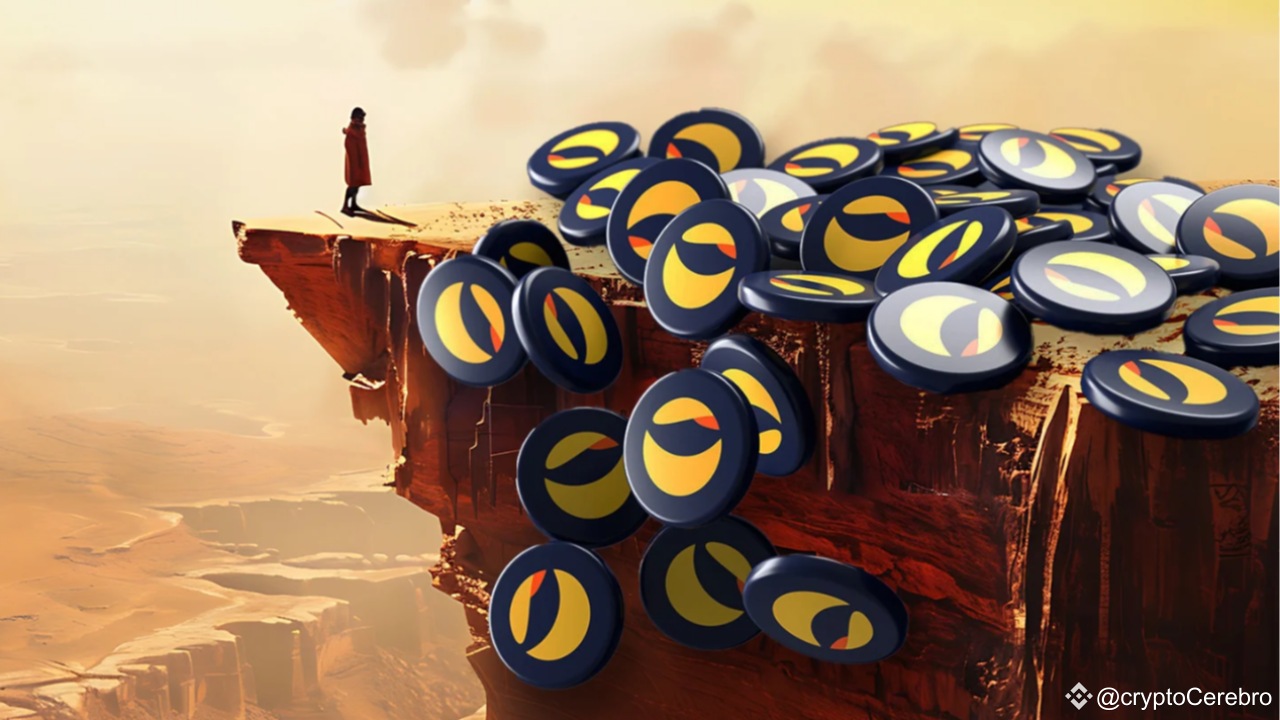
In May 2022, Terra Luna, a major cryptocurrency project, suffered an unexpected collapse that triggered the downfall of several other players in the cryptocurrency ecosystem. This event was significant because it demonstrated how bank runs can occur even in decentralized systems without clear regulations.
2. Key Concepts and Participants
Algorithmic Stablecoin UST: The collapse revolved around UST, a stablecoin designed to always maintain a fixed value of $1 through its relationship with another currency, LUNA, the cryptocurrency of the Terra project.
Anchor Protocol: It was a lending and savings system on the Terra blockchain, where UST deposits generated very high interest (19.5% annual), thus driving its adoption.
3. Failures of the Terra Luna System
Backing Model: Unlike other stablecoins backed by external assets (like bonds or cash), UST relied solely on LUNA to maintain its value. Users could exchange UST for $1 of LUNA, and vice versa.
Unsustainable Subsidies: Anchor offered high interest rates that attracted many depositors. However, interest payments required increasingly higher daily subsidies, reaching $6 million a day, which made the system unsustainable.
4. The Start of the Run
In May 2022, two major investors withdrew 375 million UST from Anchor, triggering a "bank run" as distrust in the system grew. This accelerated the mass withdrawal of other investors.
Disadvantage for Small Investors: Wealthier investors, having access to better tools and knowledge, acted first, limiting their losses. Less informed small investors suffered greater losses and some tried to "buy the dip," worsening their situation.
5. The Death Spiral
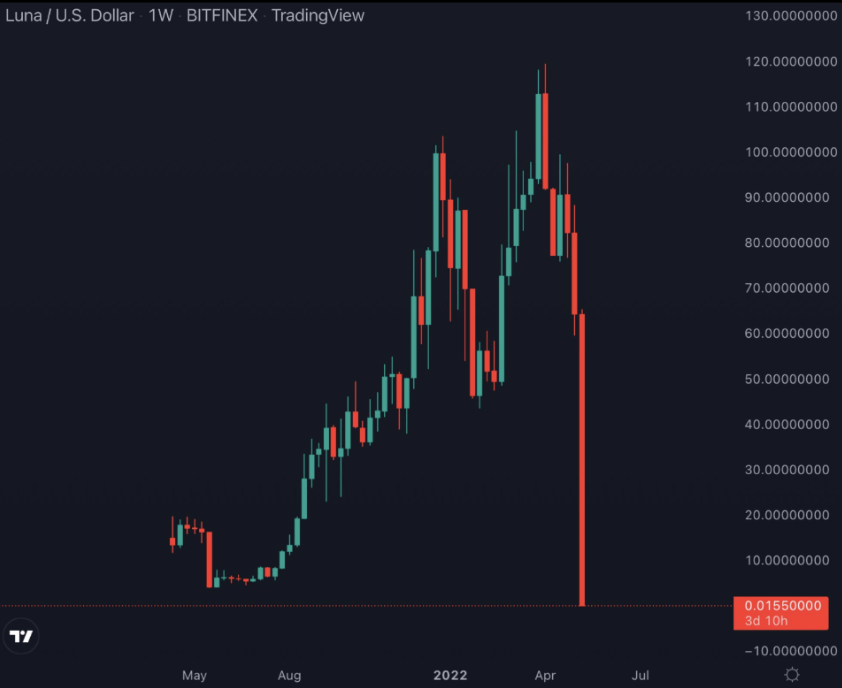
Impact on the Price of LUNA: As users exchanged UST for LUNA and sold it, the supply of LUNA grew from 1 billion to 6 trillion in a matter of days, crashing its price from $80 to almost zero.
Role of Alameda Research: This cryptocurrency firm, associated with FTX, leveraged its position to execute many transactions of UST to LUNA, highlighting how some players had an unfair advantage over others.
6. Lessons and Limitations of Transparency
Observability in Blockchain: Although information was available on the blockchain, not all investors understood the complex risks of UST and LUNA.
Insider Influence: The internal voices of Terra minimized risks on social media, generating false confidence among investors. This case shows the importance of effective and understandable transparency, especially in complex systems like DeFi.
7. Conclusions for the Future of DeFi
This event underscores that for the decentralized financial system (DeFi) to be sustainable, investors need clear information and the ability to interpret data. Projects must be responsible and transparent, especially regarding risks.
8. Is it possible for USTC to recover its original value?
The Terra Luna Classic community has begun actively discussing how to restore the value of USTC (TerraUSD Classic) and reestablish its peg to the dollar. With a sense of urgency, the community is working to reactivate the value of USTC and the LUNC (Luna Classic) token, offering an initial incentive of $250,000 to any developer or team that can design a reliable mechanism to achieve this. Depending on progress, the reward could rise to over $1 million.
The goal is to create a system that maintains the value of USTC at $1 without repeating the mistakes that led to the previous devaluation. The proposal highlights the necessary steps for this process, and developers are called to design a safe and sustainable solution.
Opinions? Doubts still exist about whether USTC can recover and maintain its peg, especially due to technical challenges and the lack of trust generated after the collapse of Terra. However, community support and commitment to a stable mechanism provide cautious hope, though it does not guarantee successful outcomes.