
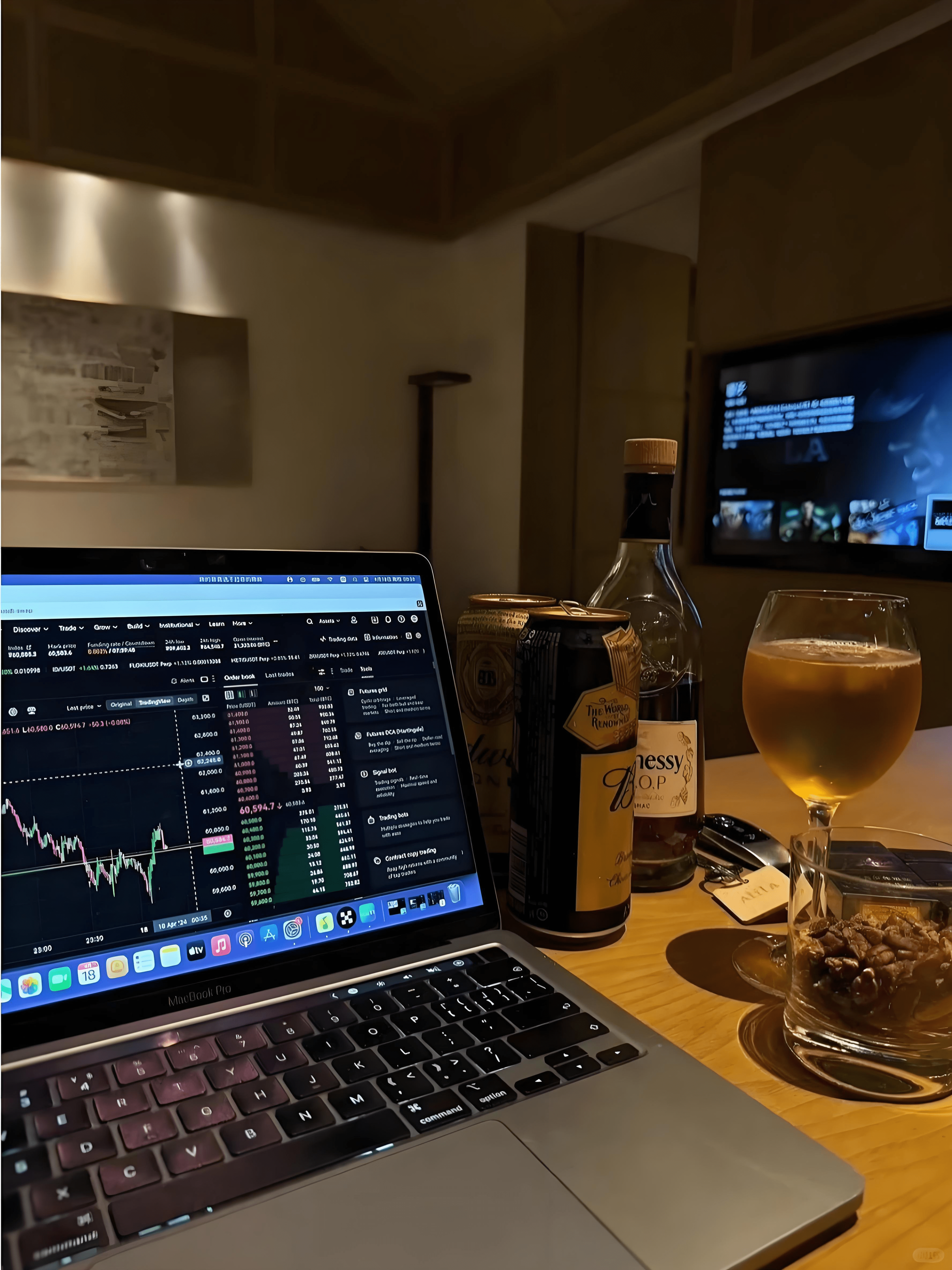
Making money in the cryptocurrency market requires a comprehensive application of strategies, risk management, and market insight. The following summarizes key points based on practical experience from multiple sources:
One, Core Trading Strategies
1. Follow the trend and trend analysis
- Pay attention to Bitcoin (BTC) trends, as it dominates the market direction, most altcoins are influenced by it.
- Use moving average systems (short, medium, long-term moving averages) to judge trends and choose cryptocurrencies in an upward channel.
- When breaking through key resistance levels, it often leads to an upward trend, consider entering at the right time.
2. Gradual position building and take-profit stop-loss
- Avoid investing all funds at once, instead gradually build positions to reduce risk.
- Set clear take-profit and stop-loss points, for example:
- Reduce positions after two consecutive days of increase;
- Exit decisively if you haven't broken even the next day;
- Gradually take profit after reaching the expected target, avoiding greed.
3. Arbitrage and quantitative trading
- Utilize price discrepancies between different platforms for arbitrage, but require quick information processing skills.
- Quantitative trading reduces emotional interference through algorithms, suitable for investors with a technical background.
---
Two, Risk Management
1. Diversified investment and position control
- Avoid heavy investment in a single cryptocurrency, especially altcoins, as they may trend towards zero in the long run.
- Holding mainstream coins (such as BTC) for the long term is more secure, while altcoins should only be used as short-term trading targets.
2. Be wary of market volatility periods
- Early morning (0-1 AM) often shows spike trends; place low-price buy orders; observe trends from 6-8 AM, if it continues to decline, consider averaging down.
- After 5 PM, the market is influenced by the U.S. market, leading to increased volatility.
Three, Technical and News Analysis
1. Candlestick and Volume-Price Relationships
- Use candlestick patterns (such as body size, shadow length) to assess bullish and bearish forces, for example, if there's a high-level stagnation with increased volume, be cautious of a pullback.
- Trading volume is a key indicator: low volume at low levels indicates potential rises, while low volume at high levels may indicate reversals.
2. Sensitivity to news
- Pay attention to policy changes (such as regulatory attitudes), industry dynamics (such as institutional entry), and celebrity statements (such as Musk).
- Major positive news (such as project launch) or negative news (such as security vulnerabilities) may trigger short-term market movements.
Four, Mindset and Code of Conduct
1. Avoid emotional trading
- Don't panic during major declines, don't be greedy during major increases, and strictly follow your trading plan.
- Reject FOMO (fear of missing out), acting against market noise is often safer.
2. Compound interest and long-term perspective
- Pursue stable compound interest (e.g., annualized 10%-50%), rather than short-term windfall profits.
- Accept failure, review and adjust strategies promptly, and avoid repeating mistakes.
Five, Tips for Beginners
1. Start learning from the basics
- Understand blockchain principles, characteristics of mainstream cryptocurrencies, and trading terminology.
- Practice with a simulation account, then invest in a real account once you have a stable win rate.
2. Choose a secure platform
- Prioritize compliant exchanges with low fees and good user reputation.
Six, Legal and Compliance Reminders
- In China, virtual currency trading is not legally protected, and risks must be borne by oneself.
- Globally, some countries (such as the United States) allow trading but require taxes and compliance with local regulations.
Summary
Making profits from trading requires a combination of strategy execution, risk control, and continuous learning. Prioritize mainstream cryptocurrencies, avoid leverage and excessive speculation, and accumulate long-term returns through compound interest. Always remember: the market is unpredictable, preserving principal is more important than short-term windfall profits.