
Native stablecoins are emerging against the backdrop of governments assessing blockchain currencies
Native stablecoins are becoming a central theme in the global adoption of cryptocurrencies as industry leaders and policymakers focus on the direct placement of national currencies in blockchain networks. Recent comments from Binance founder Changpeng Zhao, as well as regulatory measures in Brazil and ongoing legislative debates in the USA, highlight how stablecoins are transitioning from speculative instruments to regulated financial infrastructure.
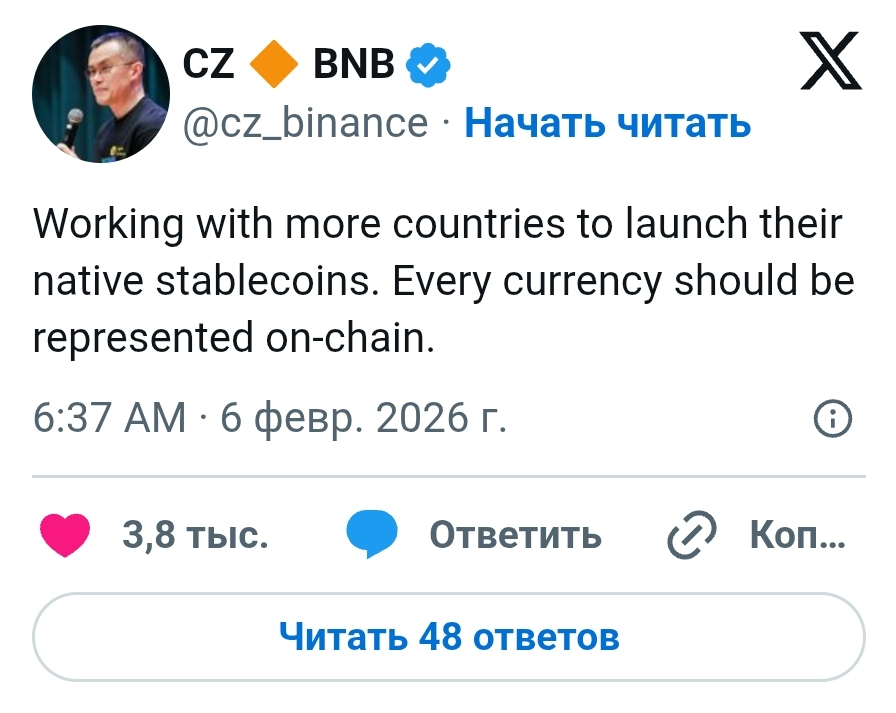
Changpeng Zhao claims that collaborating with many countries to launch domestic stablecoins could accelerate adoption by ensuring representation in each national currency on the chain. Proponents of this view point to persistent issues in traditional finance, including slow settlement times, high transaction fees, and cross-border restrictions.
At the same time, questions of demand remain. Some analysts argue that dollar-denominated stablecoins already dominate global usage and liquidity, raising doubts about what incentives users will have to adopt stablecoins linked to smaller or less widely used currencies.
Brazil tightens rules for stablecoins

Brazil has taken a decisive regulatory step that has changed the operation of stablecoins in its financial system. A Congressional committee approved the report on bill 4.308/2024, which bans algorithmic stablecoins, such as #USDe and $FRAX from Ethena. Legislators cited risks associated with uncollateralized models, referencing the collapse of Terra in 2022.
Under the proposed framework, all stablecoins issued in Brazil must be fully backed by segregated reserve assets held in separate accounts. The bill also tightens transparency requirements and establishes a specific criminal offense for issuing stablecoins without proper backing, with penalties of up to eight years in prison.
For foreign stablecoins, such as $USDT and $USDC , the legislation introduces additional obligations. Only authorized companies can offer these assets, while exchanges must verify that issuers comply with Brazilian regulatory standards. If they fail to do so, the responsibility for risk management shifts to the trading platform. The Brazilian tax authority reports that stablecoins account for approximately 90% of cryptocurrency trading volume in the country, highlighting the significance of this policy.
Debates in the U.S. underscore the strategic role
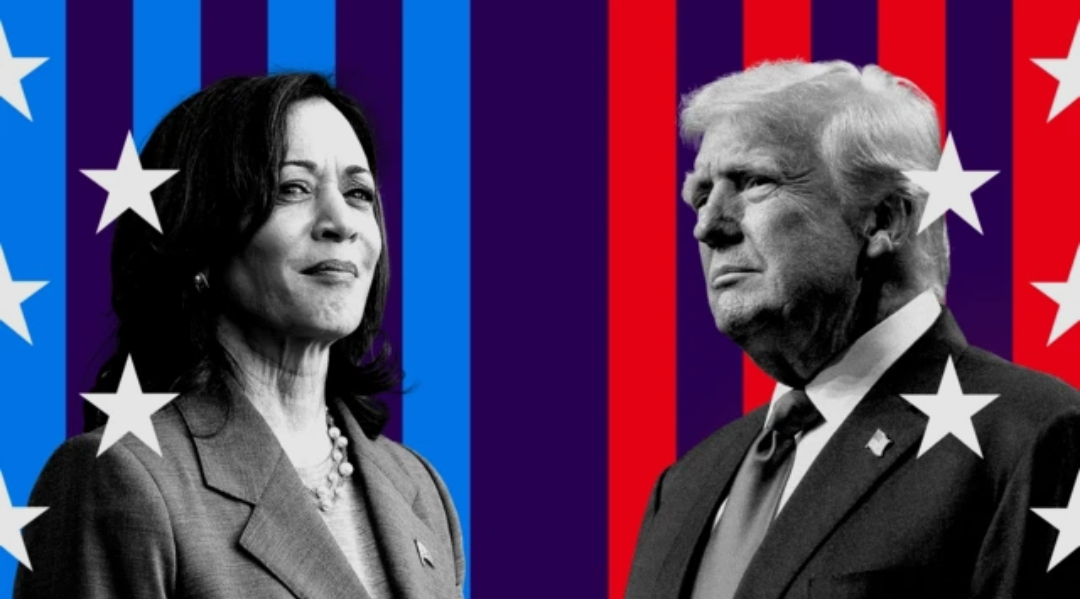
In the United States, stablecoins remain at the center of legislative debates. Senator Cynthia Lummis has urged banks to embrace stablecoins, describing them as a new financial product capable of speeding up and lowering the cost of payments. Her comments come amid delays as negotiations on a broader cryptocurrency market framework bill stall.
Digital asset analysts warn that prolonged legislative uncertainty could limit market growth. Others have emphasized the strategic importance of stablecoins, noting their role in supporting the use of the dollar during periods of macroeconomic and geopolitical tension.

@Slavansmart #BNB_Market_Update #BinanceSquareFamily #USDTUpdate
Found this analysis useful?👆Subscribe for daily token updates as well as BTC and ETH! 🚀 If you have questions about this trend, leave them in the comments below. #Write2Earn
DYOR - Do Your Own Research