

If you've ever dabbled in the cryptocurrency space, you've likely accumulated a variety of tokens and NFTs. According to the Sacred Waste team, from early experimental projects to the rise of internet memes and long-forgotten collectibles, each wallet tells a different story of participants from various cycles. They hope to use this as a foundation to turn those overlooked tokens into brand new things.
We interviewed the ruler of Sacred Waste, Detritus, to learn more about the protocol and its founding philosophy, from the philosophy behind destruction to the mechanisms of the Great Destruction Testnet. Detritus shared why the Sacred Wasteland believes that rediscovery holds opportunities and how to transform those overlooked tokens into new possibilities, thereby reshaping on-chain participation models.
OpenSea:
The core idea of Sacred Waste is to destroy 'dead' tokens. What moment or setback made you realize this issue is worth building a complete protocol around?
Detritus:
I've been following this from the beginning, and there was a key moment when the sense of loss overshadowed everything else.
Now, opening my wallet and seeing it stuffed with invalid tokens and feelings of regret has become commonplace. Some tokens were given to me, but worse, many are my own choices. I invested money, tried to invest, only to fail, and the tokens' value has gone to zero, sometimes even below zero because transferring tokens incurs gas fees.
In the real world, you can donate, recycle, or throw away items, but on the blockchain, you can only hold onto them, even if the platform tries to hide the garbage; the problem still exists.
Then I suddenly thought: what if there were a real digital asset disposal system that could clean up the mess, add fun, and give people a chance to redeem? What would that be like?
Rather than sending things to invalid addresses and getting nothing, it's better to send them to a place designed for this, where there is a fair mechanism to convert this participation into new opportunities.
OpenSea:
Burning is often seen as a dead end, but in your design, it becomes a process that includes judgment, reward, and even resurrection. What does this conceptual shift open up?
Detritus:
It opens everything, limitless possibilities; most of the 'burning money' mechanisms in the cryptocurrency field are final. You send things out, and the story ends.
Under the 'Sacred Wasteland' mechanism, burning becomes part of a broader process governed by protocol rules. With the resurrection mechanism in place, destruction is not always the end.
The tension between letting go and the possibility of return is important to us, as it reflects the way people experience loss in this domain.
OpenSea:
Many NFT systems reward early investments, while Sacred Waste rewards early sacrifices. What behavior would you like to change within this ecosystem?
Detritus:
Don't expect to gain without effort; it's just that simple: you have to give to receive.
Speculators are merely takers; we want to reward those willing to take risks without any guarantees. The 'prophet' program is the most obvious example, where people invest assets in contracts with almost no information, fully aware they might end up with nothing.
This kind of trust is rare, especially in a field driven by speed and speculation. We reward effort rather than accumulation, encouraging participation based on belief, experimental spirit, and willingness to let go, rather than just chasing the next hot trend.
If the 'Sacred Wasteland' project succeeds, even if the project ultimately fails, people can continue to engage in the ecosystem through it. This shift is exactly the behavior change we are most concerned about.
OpenSea:
What role do prophets play in the long-term vision of the church? Are they founders, managers, or entirely different roles?
Detritus:
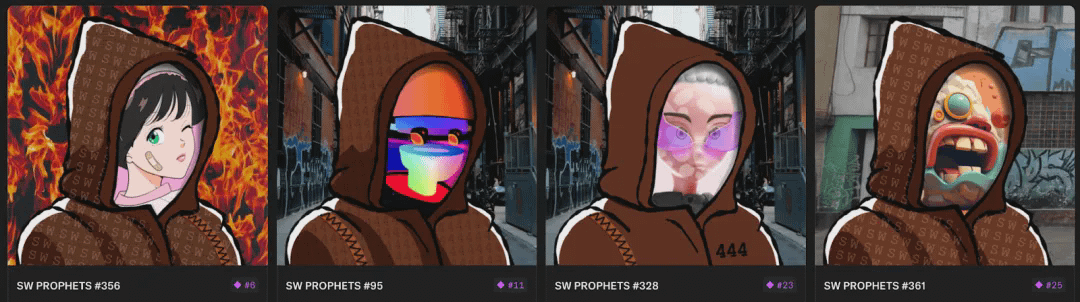
The 'prophets' are a tangible test of the core idea of 'Sacred Desert.' They are not early buyers chasing an uptrend but early believers willing to take action based on trust.
Conceptually, they are the first to prove that this system works. From the community's perspective, they are our core and founding members.
As the protocol evolves, their roles will continue to reflect their origins: participation rather than speculation, belief rather than certainty.
OpenSea:
This briefing introduces concepts like privilege, which can raise the chances for everyone in the group, not just the individual user. Why is designing mechanisms that benefit the group rather than favoring individual participants so important?
Detritus:
The answer lies in fairness; much of the design in this area revolves around plunder, where you try to extract more resources than you put in, often at the expense of others' interests. In (Sacred Wasteland), the first step to entry is contribution.
You must participate and put in the effort for things to succeed, and this behavior benefits not only yourself but everyone around you.
Privilege embodies this principle; when one person uses privilege, the probabilities for the entire block increase, not just for them individually. While it's a small mechanism, it symbolizes a deeper meaning: participation here is collective.
OpenSea:
You once described Sacred Waste as a mechanism that allows people to 'continue participating' even when cycles reverse or projects fail. How significant is the importance of community and shared experience in this project, and how much does pure protocol design matter?
Detritus:
Both are true, but if I had to choose one, shared experience is paramount. The existence of this protocol is to satisfy an emotional need that has long existed: millions of people sitting on idle assets feel immense shame and don't know how to handle it. This is not a technical issue; it's an emotional one.
Stop complaining; it's time to take action.
The essence of Sacred Waste lies in transforming this lonely experience into a collective one; you are not the only one who has invested heavily in something and ultimately failed. Everyone here has experienced it, and once you realize this, the shame gradually dissipates. The rules provide structure for that moment, but what truly gives it meaning is the community.
Our community thus becomes a place where people can heal from failure, share their next steps, and continue participating rather than choosing to leave. This shift from exit to re-engagement does not stem from smart contracts but from being with those who understand you.
OpenSea:
The 'Big Burn' test network is the first time people can truly participate on a large scale in the 'Sacred Desert' project. What would you most like to know about how different communities use it?
Detritus:
Participants in the cryptocurrency field are highly diverse, from players holding NFTs that have been invalid since 2021 to enthusiasts with wallets stuffed with 'meme coins' they would rather forget. We want to understand people's positions within this group, what tokens they are destroying on the blockchain, and what tokens they are collecting.
We are also curious about 'resurrection.' What do people want to reclaim? Is it the things with the most emotional value, the most notorious, or the most controversial? The tension between abandonment and repurposing will reveal how people perceive their on-chain history.
Disclaimer: This content is for informational purposes only and should not be construed as financial or trading advice. Mentioning specific projects, products, services, or tokens does not constitute endorsement, sponsorship, or recommendation by OpenSea. OpenSea does not guarantee the accuracy or completeness of the information provided. Readers should verify any statements in this article before taking any action, and they are responsible for conducting due diligence before making any decisions.
The OpenSea content you care about
Browse | Create | Buy | Sell | Auction

Follow OpenSea on Binance Channel
Stay informed