
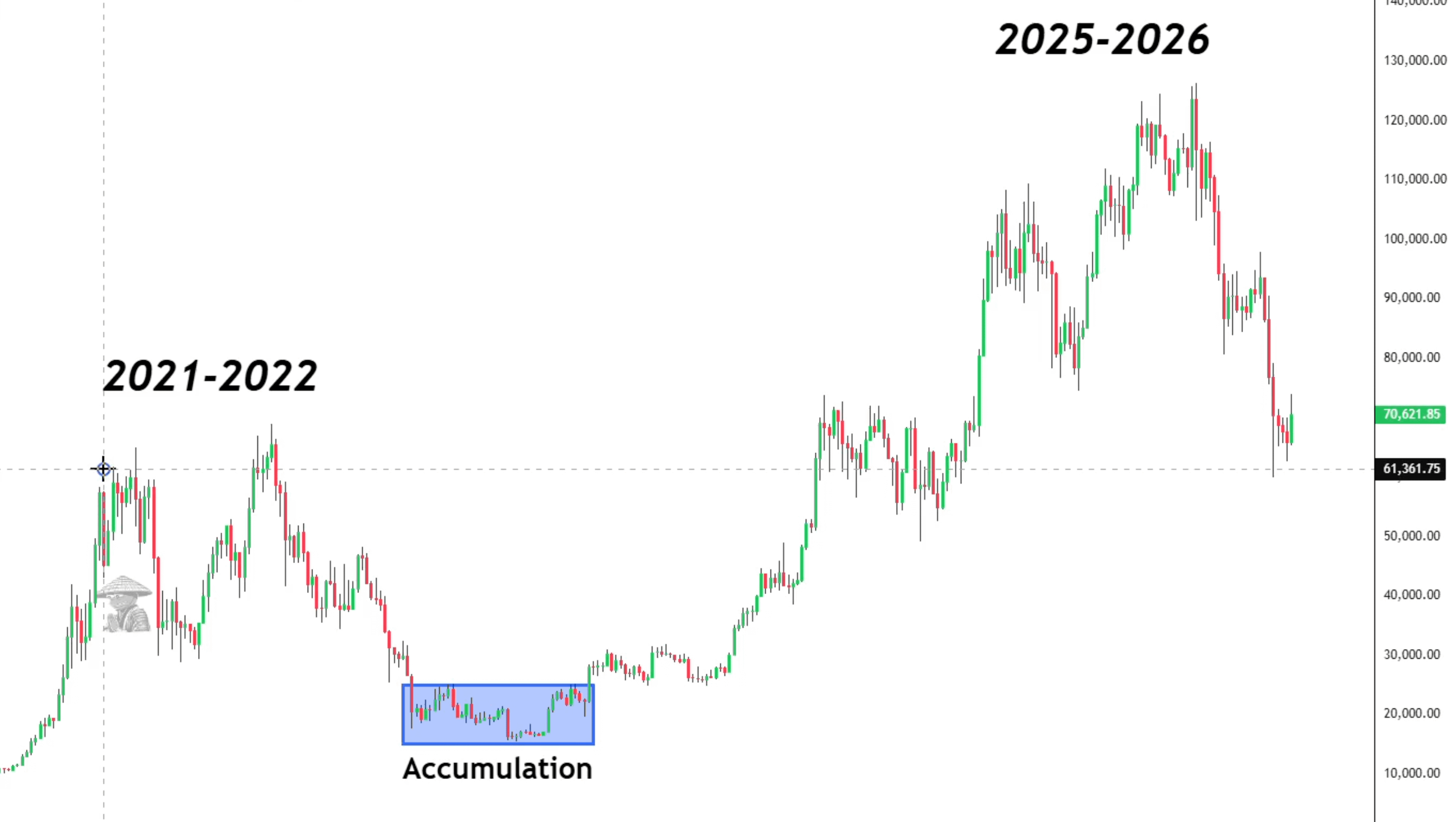
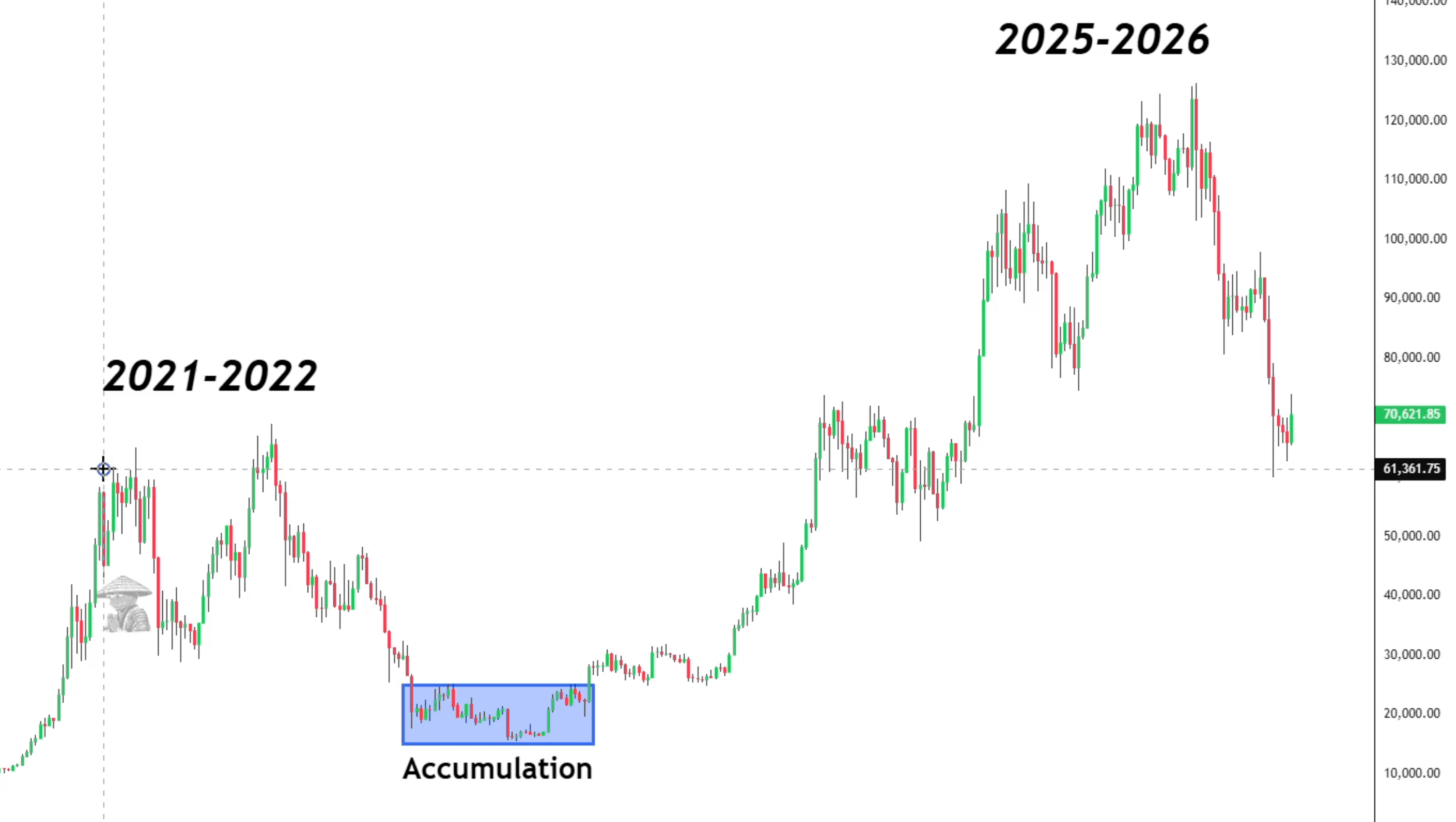
The reaction there was quite sharp. Instead of accepting higher prices, the market rejected the move and began rotating lower, bringing price back toward the 69,000–70,000 USD zone. This range is particularly important because it previously marked the upper boundary of the earlier consolidation structure.
From a structural perspective, the 69–70K region now becomes the key testing ground. When a market breaks above a range, it often returns to the breakout zone to check whether the former resistance can hold as support. If Bitcoin stabilizes above this area, it would suggest that the breakout structure remains intact and that the rejection at 73K was simply a temporary reaction before continuation.
Liquidity positioning around this level also matters. Traders who entered on the breakout often place defensive stops just below the old resistance zone. As long as the market maintains acceptance above it, those positions remain protected and confidence can gradually rebuild.
However, if the market clearly loses the 69–70K area, the structure could change quickly. In that case, Bitcoin would likely rotate back into the previous trading range, where the 60,000 USD region stands out as the next meaningful support zone.
Psychologically, failed breakout attempts are signals the market cannot ignore. They often indicate hesitation among buyers and a lack of conviction for immediate continuation. In these situations, volatility tends to increase while the market searches for its next balance point.
For now, the behavior around the 69–70K area will likely determine the short-term direction. Whether it holds as support or gives way will tell us if Bitcoin is preparing for another push higher or simply returning to a broader consolidation phase.
