

In moments of crisis, the biggest challenge is not always the disaster itself but the lack of coordination, trust, and immediate access to resources. Whether it’s natural disasters, humanitarian crises, or unexpected emergencies, millions of people struggle to receive help quickly because traditional systems rely on slow bureaucratic processes, fragmented data, and centralized decision-making. The Fabric Foundation is emerging as a powerful solution to this problem by creating a decentralized infrastructure designed to coordinate intelligence, resources, and robotics to respond to emergencies faster and more efficiently. Instead of relying on isolated institutions, Fabric introduces a global network where technology, data, and community participation work together to build a responsive emergency ecosystem.
At the heart of the Fabric Foundation’s mission is the idea of “owning the robot economy.” This vision goes far beyond automation in factories. It imagines a world where intelligent machines, autonomous robots, and decentralized AI networks collaborate to assist humans during critical situations. In emergency scenarios, robots can be deployed to search collapsed buildings, deliver medical supplies, monitor hazardous environments, or assist rescue teams where human access is limited. Fabric’s infrastructure aims to ensure these robotic systems are governed transparently and collaboratively, rather than controlled by a handful of corporations or governments. By placing governance and coordination on blockchain-based systems, Fabric allows communities and stakeholders to participate in decision-making and ensure that these technologies are used for the collective good.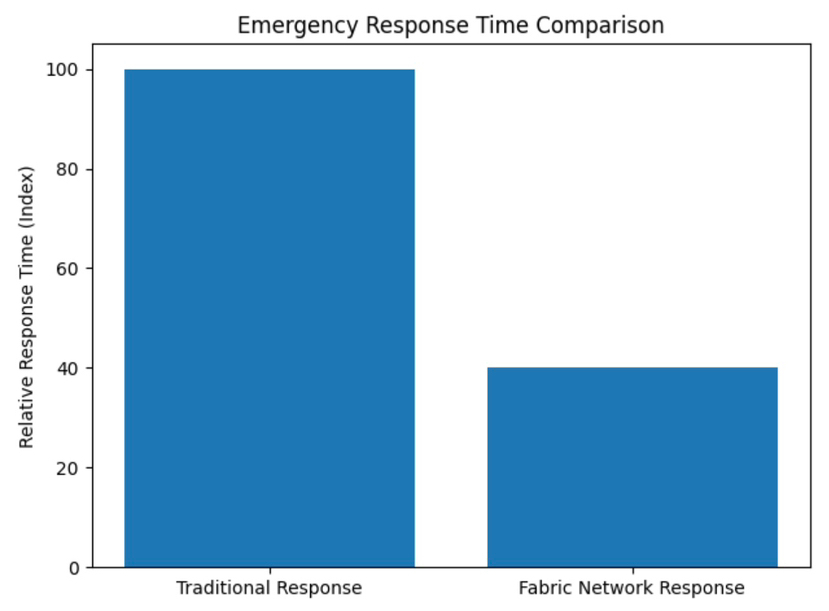
One of the most transformative aspects of Fabric is how it integrates decentralized intelligence with real-world action. In a traditional emergency response, information flows slowly between agencies, leading to delays that can cost lives. Fabric proposes a model where verified data from sensors, satellites, AI systems, and human contributors can be instantly shared across a decentralized network. This network can analyze conditions in real time and coordinate robotic or logistical responses automatically. For example, in the aftermath of an earthquake, autonomous robots connected to the Fabric network could map damaged areas, detect survivors through thermal imaging, and send precise information to rescue teams within minutes. This level of coordination dramatically reduces response time and improves the efficiency of relief operations.
The $ROBO token plays a key role in this ecosystem. It functions as both a governance and utility asset within the Fabric network, enabling participants to contribute resources, vote on network decisions, and support the development of decentralized robotic infrastructure. In emergency situations, tokenized incentives can encourage faster coordination between different participants in the ecosystem. Developers building robotic systems, data providers supplying environmental information, and operators maintaining infrastructure can all be rewarded for their contributions. This model ensures that the network remains active, sustainable, and constantly improving, even before emergencies occur.
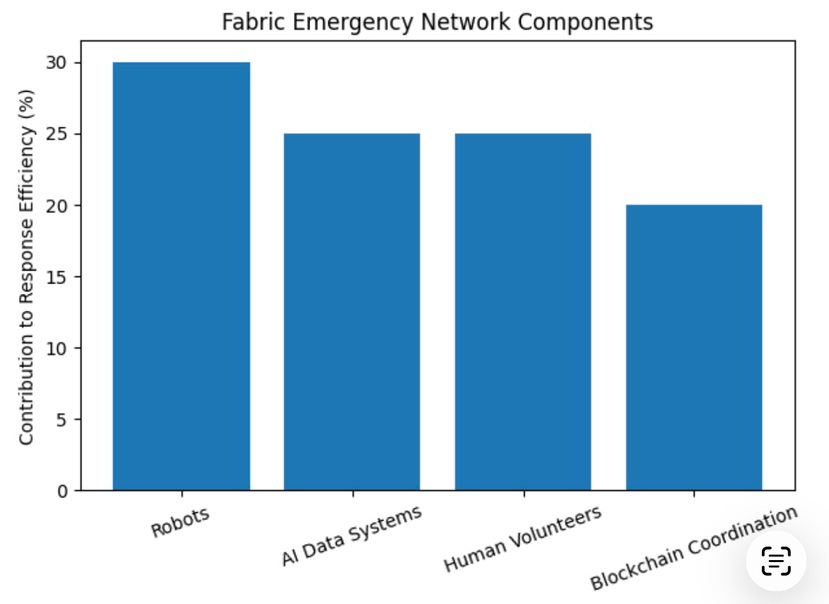
Another powerful dimension of the Fabric ecosystem is community participation. Emergencies often reveal the strength of human solidarity, where volunteers, organizations, and individuals step in to help. Fabric aims to digitize and coordinate this spirit of collaboration. Through decentralized platforms, volunteers could contribute information from affected areas, verify reports, or help distribute resources. At the same time, AI systems within the network could filter and validate incoming data, ensuring that decision-makers receive accurate and actionable insights. This combination of human input and machine intelligence creates a resilient system capable of adapting quickly to unpredictable situations.
The potential applications of Fabric extend beyond immediate disaster response. The same infrastructure can support long-term resilience planning, helping cities and communities prepare for emergencies before they occur. By analyzing environmental data, infrastructure vulnerabilities, and historical patterns, Fabric’s network could help governments and organizations predict risks and deploy preventative measures. For instance, autonomous monitoring systems could detect early signs of flooding, wildfire spread, or infrastructure failure and trigger alerts across the network. In this way, Fabric is not just about reacting to emergencies—it is about building a proactive system that reduces the likelihood of disasters escalating in the first place.
What makes Fabric particularly important in the evolving Web3 landscape is its commitment to ethical governance and transparency. As robotics and artificial intelligence become more powerful, questions about control, accountability, and safety become increasingly urgent. Fabric addresses these concerns by placing governance in the hands of a decentralized community rather than centralized authorities. Decisions about how robotic systems are deployed, what data they can access, and how they interact with humans can be determined through transparent mechanisms involving stakeholders across the network. This approach ensures that technological power remains aligned with public interests rather than corporate monopolies.
For individuals who want to contribute during emergencies, Fabric provides multiple pathways for participation. Developers can build robotic tools or AI models that integrate with the network. Data contributors can supply environmental, geographic, or sensor data to improve situational awareness. Operators can maintain physical infrastructure such as robotic fleets or communication nodes. Even everyday users can participate by sharing verified information, supporting governance proposals, or helping coordinate resources during crises. By distributing responsibility across a global network, Fabric transforms emergency response from a centralized service into a collaborative ecosystem.
In a world where climate change, geopolitical tensions, and rapid urbanization are increasing the frequency and complexity of emergencies, the need for innovative solutions has never been greater. The Fabric Foundation represents a bold step toward a future where technology empowers humanity rather than replacing it. By combining decentralized governance, robotics, artificial intelligence, and community collaboration, Fabric is building a system that can respond to crises faster, smarter, and more fairly than traditional approaches.
Ultimately, Fabric’s vision is not only about technology—it is about resilience, cooperation, and collective intelligence. Emergencies reveal both the vulnerabilities and strengths of our global society. With the right infrastructure, these moments can become opportunities for communities to unite, share resources, and protect one another. Fabric is laying the groundwork for that future, where the power of decentralized networks and intelligent machines helps humanity face its greatest challenges together. @Fabric Foundation #ROBO $ROBO
