


I spent two hours last night going down the Midnight rabbit hole — not trying to understand what the project is, but specifically what $NIGHT actually does. Most governance tokens I've seen are just voting tickets stapled to a narrative. NIGHT is built differently, and I want to break it down the way I wish someone had explained it to me.
What I Noticed First
NIGHT listed on Binance on March 11, 2026. As of today (March 12), the token is trading around $0.048, with a market cap sitting near $790M (roughly rank #65-#70 globally depending on the tracker). It hit an all-time high of $1.81 back in December 2025 at launch — and has since corrected about 97% to current levels. That's a steep drop. Worth noting before anything else — I'm not here to hype, I'm here to understand the mechanics.
The Three Real Jobs of $NIGHT
This is where it gets interesting, tbh.
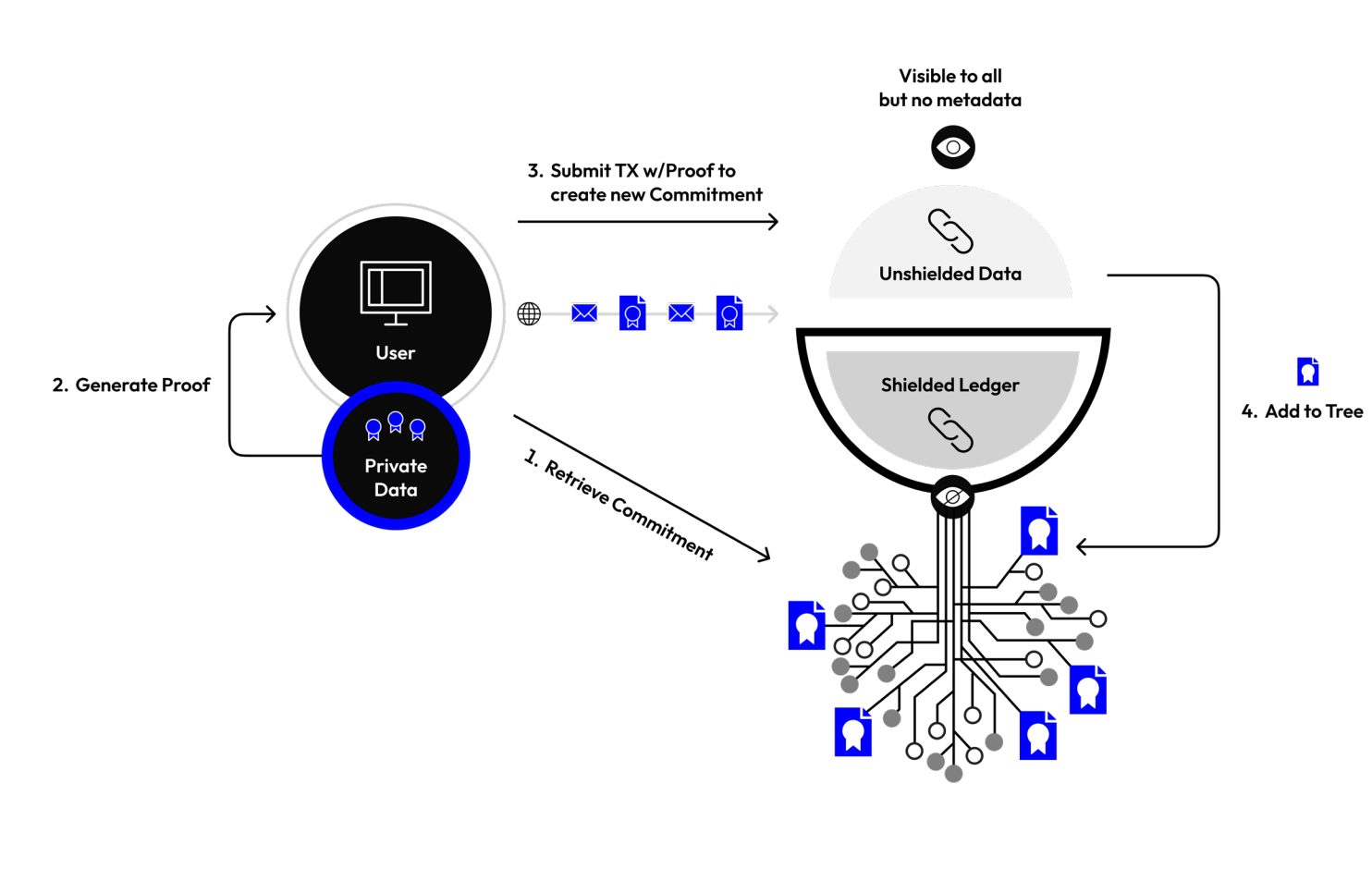
It generates DUST passively. Just by holding NIGHT in your wallet, you continuously earn DUST — a separate, shielded, non-transferable resource that powers all transactions and smart contracts on Midnight. You don't spend NIGHT on gas. You hold NIGHT and it produces DUST, the way a solar panel produces electricity. Your NIGHT stays intact. Your DUST gets used. That's a clean separation.
It rewards block producers. Validators on Midnight earn NIGHT from a protocol-managed reserve. This is how network security gets incentivized without burning user tokens. It's a sustainable model — at least on paper.
Governance (incoming). NIGHT holders will vote on protocol upgrades, treasury decisions, and chain parameters. Not fully live yet, but it's on the roadmap.
One more thing about DUST that deserves its own sentence: it decays if unused. The design is intentional — it prevents spam and stops anyone from stockpiling infinite transaction capacity. The fee structure is dynamic too: congestion multiplier rises when blocks are full, drops when they're empty. Predictable for devs. Resistant to abuse.
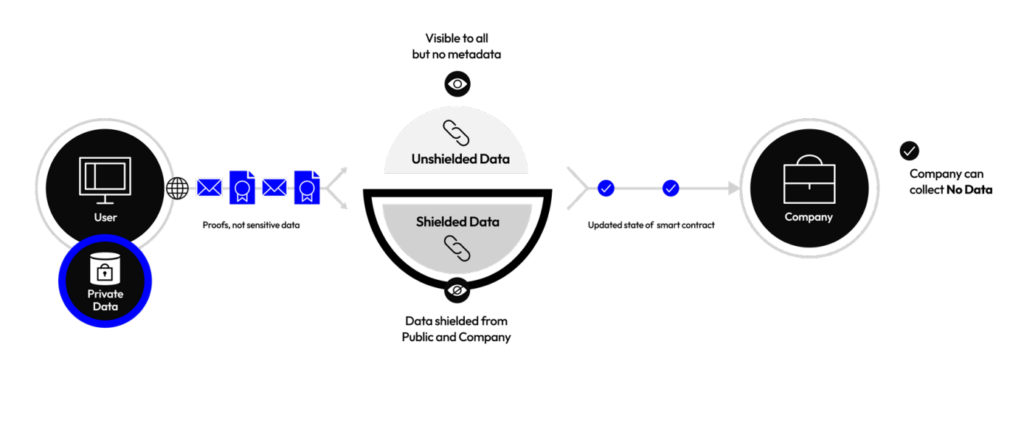
I think the NIGHT + DUST model actually solves a real problem: predictable transaction costs for developers building privacy dApps. If you know your NIGHT balance and the current network conditions, you can estimate your future capacity. That matters for any serious business use case — not just retail traders.
The 97% correction from ATH is still sitting in the back of my head. Personally, I'm not calling a bottom here. But I'm watching developer activity more than price right now. If DUST sees real transaction demand as dApps ship — that's when the utility thesis gets validated.