#robo $ROBO @Fabric Foundation
When I first dug into Fabric’s economic design, what really jumped out at me wasn’t just the robotics side. It was the whole idea that people helping to build robotic intelligence could actually own a piece of the network itself. That’s a big shift from the usual setup, where you do the work—coding, training, whatever—and most of the value ends up somewhere else.
It feels like something bigger is happening across AI and crypto. As machine intelligence spreads out—think data folks, model builders, hardware people, software developers—the “who actually owns this thing?” question gets messy. Old-school, centralized systems just aren’t built to split value in a way that feels fair to everyone making the magic happen.
That’s the heart of what Fabric seems to be after: how do you line up incentives for everyone training, building, and keeping these robotic systems running, with actual ownership in the network they’re building? Robotics is a team sport. You need data, hardware, new algorithms, endless testing. But, let’s be honest, most of the money and upside usually piles up at the top—big companies, a handful of players.
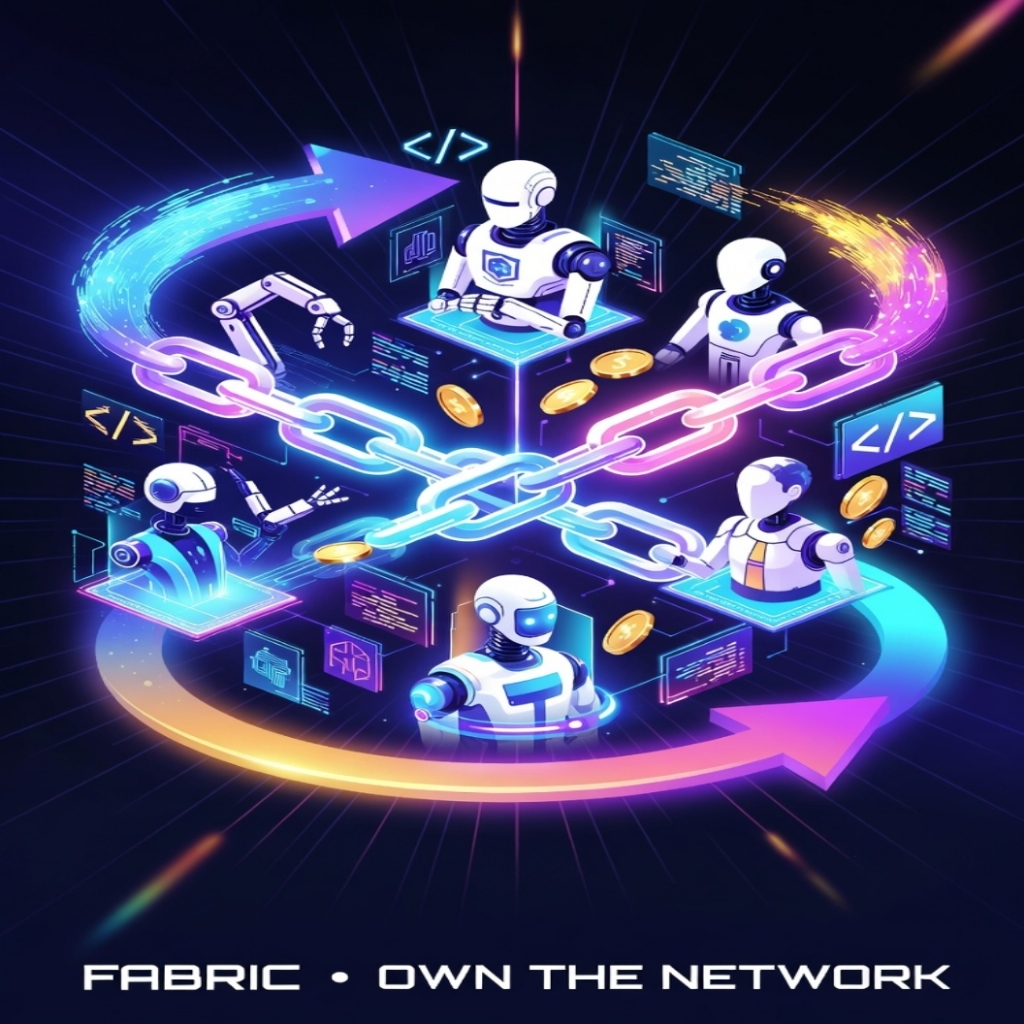
Fabric’s trying something different. They’re tying contribution straight to ownership. Instead of just getting paid once for your work, you can actually earn a stake in the network—whether you’re writing code, sharing data, or supporting the infrastructure. Over time, what you put in builds into real ownership and a deeper connection to the network’s growth.
What’s cool here is how it flips the script. It’s not just a tech platform anymore—it’s more like an economic ecosystem. Most AI projects are all about the tech: models, tools, infrastructure. Fabric, on the other hand, is testing this idea where value moves through the people involved. The more you build, the more you own, and as the network grows, everybody benefits. It creates this loop: contribute, earn, grow.
Of course, none of this is simple. Figuring out what counts as a “meaningful” contribution is tough. Stuff like governance, how tokens get split up, and whether the whole thing can last—these are the gnarly problems in any decentralized system. And robotics has its own headaches, trying to connect the physical world to digital coordination.
But here’s what sticks with me: robotics development could turn into something way more open and shared. If networks like Fabric actually pull off this alignment between researchers, engineers, and infrastructure folks, we might end up with less of a classic robotics company and more of a worldwide builder co-op.
Is it sustainable? Honestly, who knows. But just moving in this direction—where people who build these systems gradually earn a real stake—points to a future where the economics behind machine intelligence matter just as much as the technology itself.