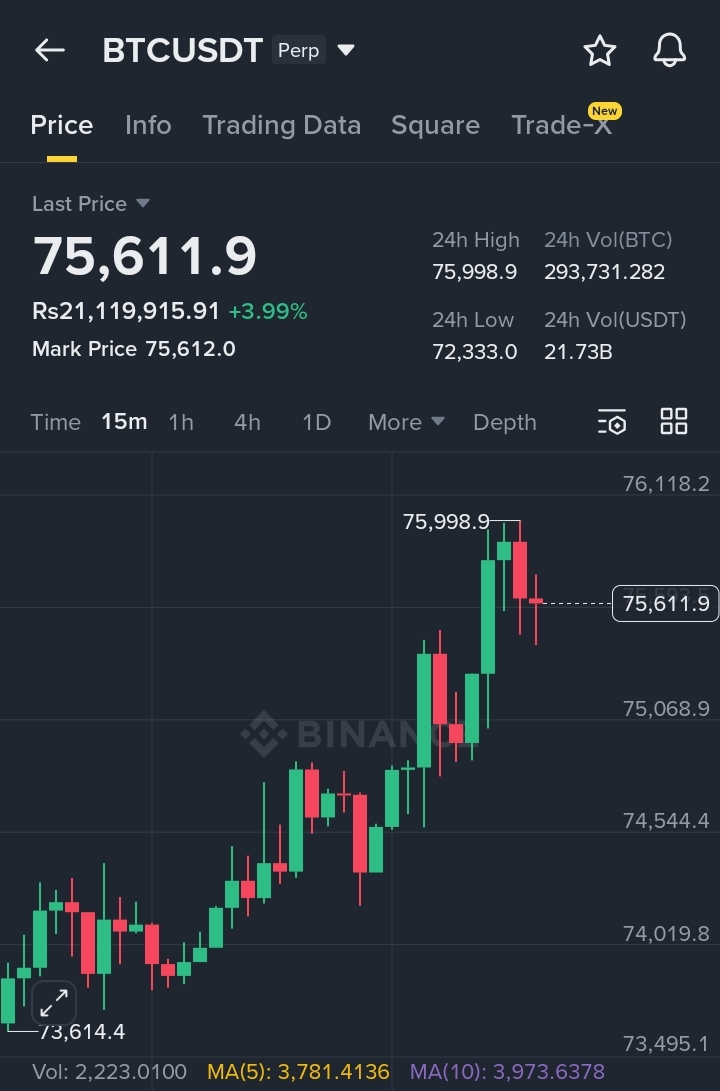
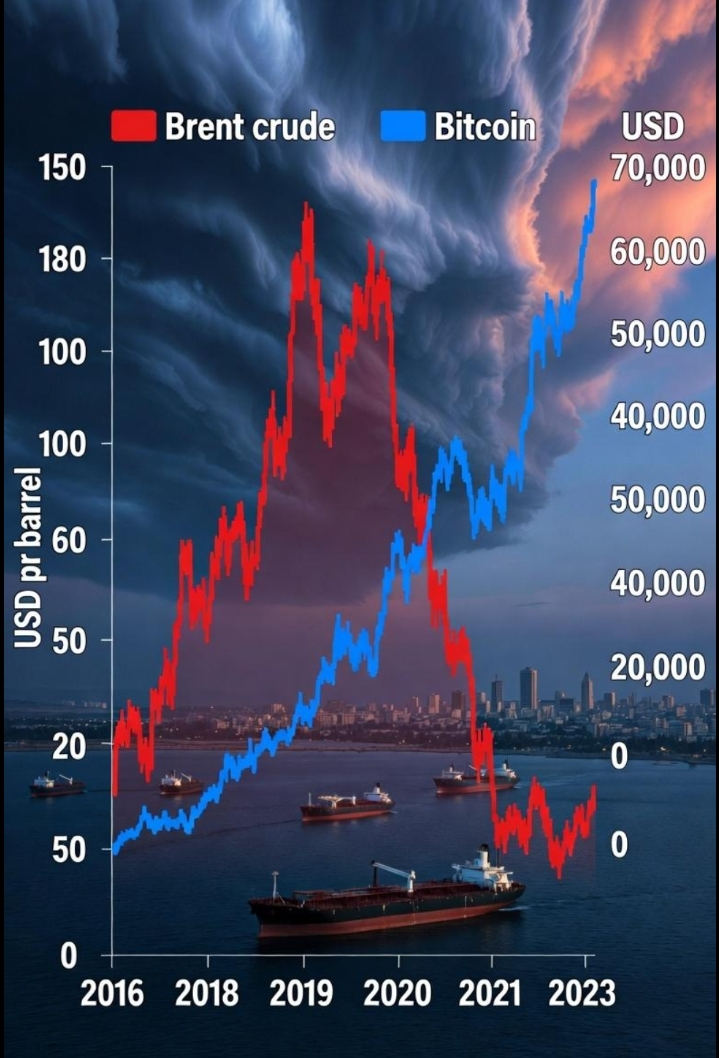
 Global financial markets are entering a period of intense uncertainty as crude oil prices surge past $100 per barrel amid escalating tensions around the Strait of Hormuz — one of the world’s most critical energy chokepoints. The crisis, triggered by the ongoing conflict involving Iran and regional powers, has disrupted a major share of global oil shipments and tightened energy supply, sending shockwaves through equities, commodities, and the cryptocurrency market. �
The Guardian +1
The Strait of Hormuz normally handles nearly 20% of global oil and LNG trade, making any disruption a major macroeconomic risk. With parts of the route effectively blocked and energy exports from several Gulf countries affected, crude prices have jumped more than 40% since the conflict began, briefly pushing Brent above $100 and intensifying inflation fears worldwide. �
Reuters +1
Oil Shock Is Rewriting Monetary Policy Expectations
Rising energy prices are now forcing investors to reconsider expectations for central bank policy. Earlier in the year, markets widely expected the U.S. Federal Reserve to begin cutting interest rates to support slowing economic growth. However, the oil surge threatens to reignite inflation, which could push central banks to delay or even cancel planned rate cuts. �
Higher oil prices feed directly into transportation, manufacturing, and consumer energy costs, increasing inflation pressures across the global economy. As a result, policymakers may choose to maintain higher interest rates for longer to keep inflation under control, a scenario that typically weighs on risk assets such as technology stocks and cryptocurrencies. �
IG
Crypto Markets Caught in the Macro Crossfire
The cryptocurrency market is closely tied to global liquidity conditions, which means any shift in rate expectations can quickly affect digital assets. When traders anticipate higher interest rates or delayed monetary easing, capital tends to move away from speculative assets and into safer instruments like government bonds or the U.S. dollar.
Some analysts warn that historically, sharp oil spikes have sometimes coincided with late-cycle phases in Bitcoin’s market cycle, potentially signaling a more cautious environment for crypto traders. �
Binance
However, the reaction within the crypto market has been mixed. While some traders have reduced risk exposure during geopolitical uncertainty, Bitcoin and major digital assets have shown relative resilience compared to traditional equities in recent sessions, suggesting that crypto liquidity remains strong despite macro pressures. �
Live Bitcoin News
The Bigger Macro Picture
The Hormuz crisis is evolving into more than just an energy story. It represents a complex macro event combining geopolitics, inflation risk, and financial market volatility. If the disruption persists, it could trigger a chain reaction:
Higher energy costs fueling global inflation
Central banks delaying rate cuts
Increased volatility across equities and crypto
Stronger demand for safe-haven assets like the U.S. dollar
With global markets already fragile, traders are now watching two key developments: whether shipping through the Strait of Hormuz can resume safely, and how central banks respond to the inflation shock created by rising energy prices.
Final Thoughts
The surge in oil prices above $100 has quickly transformed the macro landscape. What began as a geopolitical crisis is now reshaping global monetary policy expectations and influencing risk appetite across financial markets. For crypto investors, the coming weeks may be defined by one question: Will tightening macro conditions slow the next leg of the crypto cycle, or will digital assets prove resilient once again?
If the Hormuz disruption continues, the intersection between energy markets, inflation, and crypto liquidity could become one of the defining narratives of the year.