
I first dove into Sign when their focus on sovereign grade infrastructure started standing out amid all the noise in crypto. I claimed my full allocation of SIGN during the early TGE phase for past contributors and staked everything right after because I wanted to align with something that actually serves governments and enterprises without the usual speculation traps. Months later, I’m still holding 100 percent because the protocol keeps delivering on tamper proof, omni chain verification in ways that feel increasingly essential for real world systems.

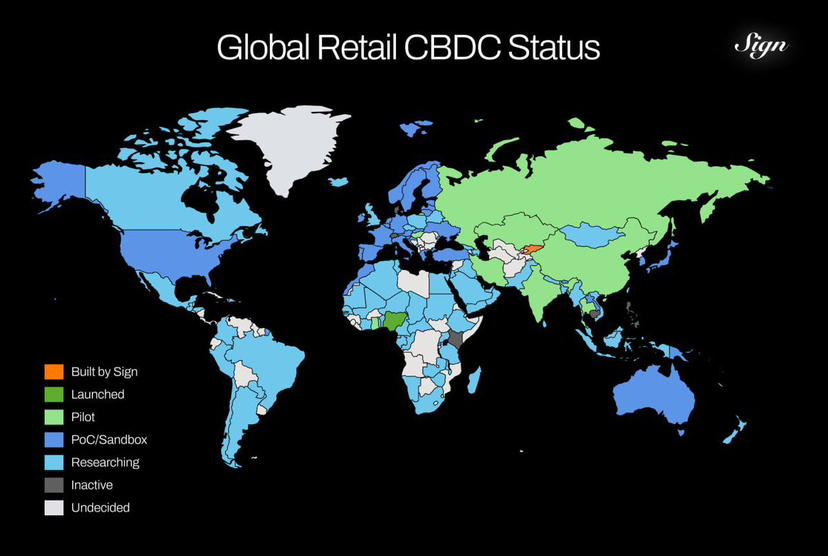
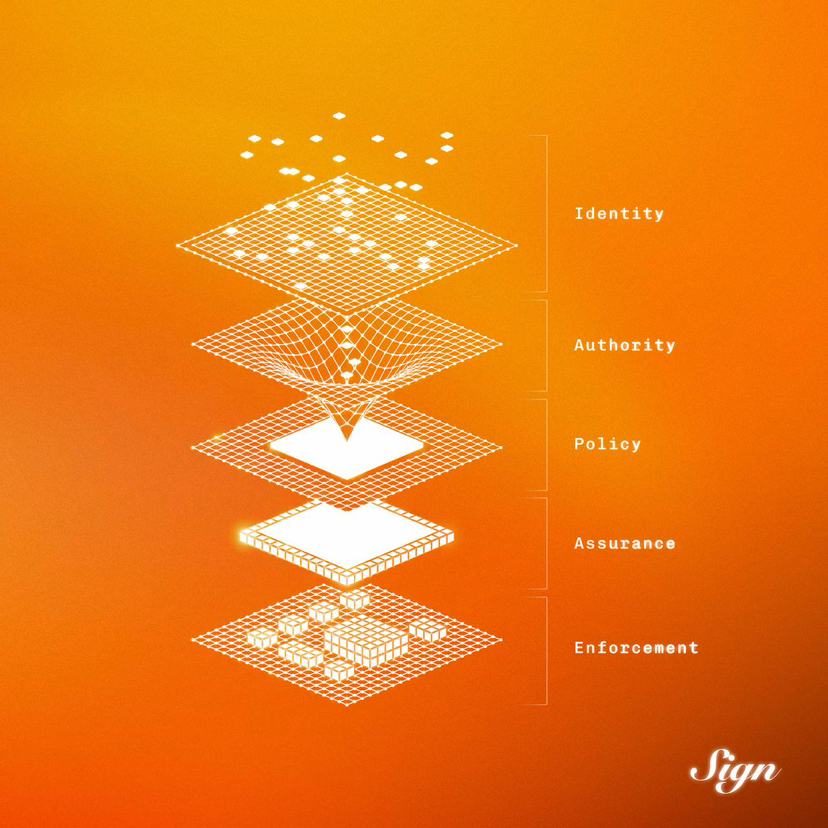
What hooked me was testing the attestation layer myself. I set up a simple schema for a mock digital credential on Ethereum, issued it with selective disclosure, and verified the proof on Base in under a minute. The zero knowledge tech let me prove validity for compliance without leaking any underlying data, and gas costs stayed negligible. That seamless cross chain flow, combined with tools like TokenTable for programmable distributions, makes it clear this isn’t just another attestation tool. It’s built for secure registries, national digital IDs, stablecoin rails, and CBDC experiments where nations need resilient, interoperable trust layers without vendor lock in.
The tokenomics reinforce why I’m staying in. Total supply fixed at 10 billion, with 40 percent allocated to past contributors like OG users, schema creators, and active community members from the EthSign days, and 60 percent reserved for future growth through the Orange Dynasty community. No endless inflation; instead, utility comes from powering all Sign protocols, staking for governance influence, and earning through meaningful contributions like building or verifying. The non custodial, blockchain agnostic design means it works across Ethereum, Base, BNB Chain, and beyond, avoiding the silos that plague most infrastructure plays.
Recent developments make it even more compelling. The Hong Kong team event where the CEO shared progress on B2G tech for stablecoins, CBDC, and digital IDs got me excited about actual nation-level adoption. Backed by heavyweights like Circle, Sequoia, and Yzi Labs, and with billions already processed in distributions, this is infrastructure that’s live and scaling. After watching too many projects hype then fade, Sign’s emphasis on privacy-first verifiable data, regulatory-friendly tools like the MiCA whitepaper, and focus on programmable money foundations feels like a thoughtful long term bet.
I’m keeping my $SIGN fully staked and engaged because as geopolitical pressures push countries toward sovereign digital systems, this attestation backbone could become indispensable. The Orange Dynasty community vibe, rewarding builders and supporters who “stay orange,” adds a personal alignment that makes holding feel purposeful.
What’s the sovereign use case for Sign’s protocol that would make you lock up $SIGN even more, like national digital IDs or programmable stablecoin rails? @SignOfficial $SIGN #signdigitalsovereigninfra