

There’s a moment that keeps repeating in Web3, and it usually happens after the excitement fades. The campaign ends, the airdrop list drops, and suddenly you start scrolling through wallets that got rewarded… trying to understand what you missed. Not because you weren’t there. But because the system never really knew you were.
That’s the part people don’t like to talk about.
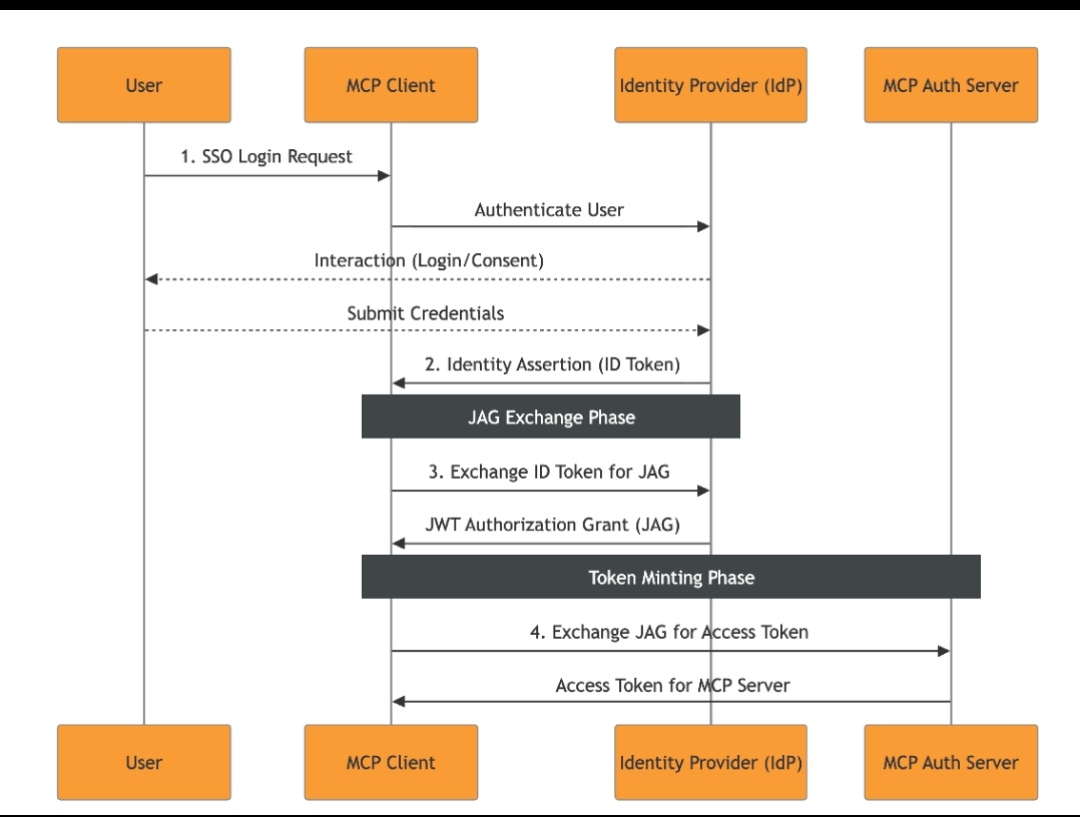
We’ve built an ecosystem that can move value instantly across the world, but when it comes to deciding who actually deserves that value, things still feel strangely undefined. Activity gets measured, but meaning doesn’t. Participation gets tracked, but contribution doesn’t always translate.
And over time, that gap starts to show.
SIGN feels like it’s built around that exact problem.
Not in a loud way, not trying to redefine everything overnight, but by focusing on something that sits underneath most systems in Web3. Credentials. Proof. The idea that what you do should carry some form of verifiable weight beyond just a transaction history.
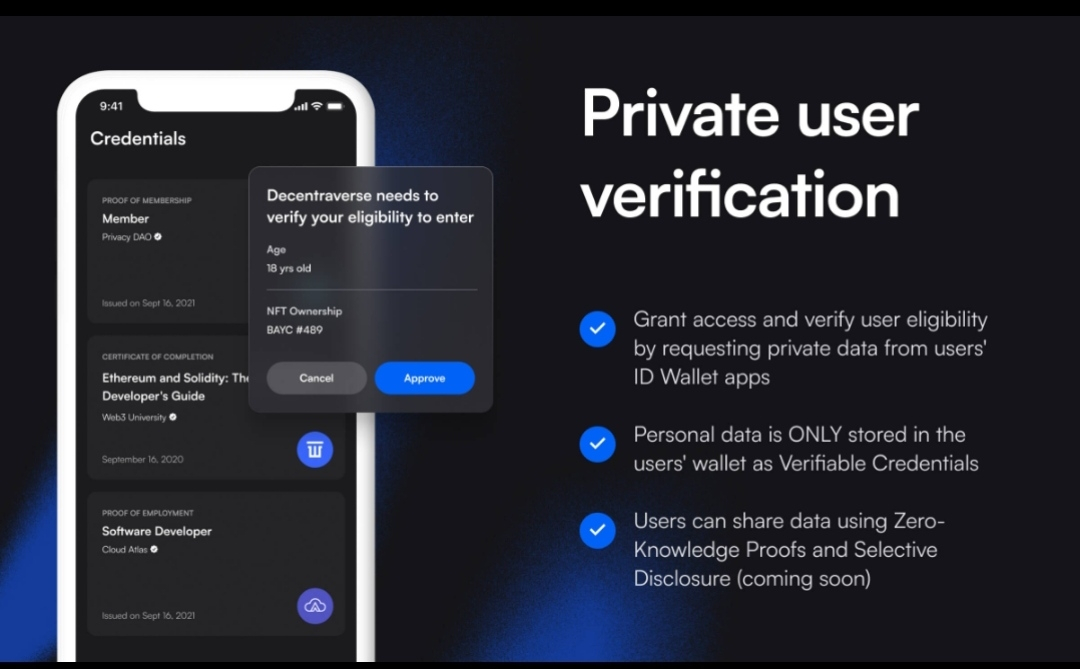
At first, it sounds obvious. Almost too simple to matter.
But the more I thought about it, the more I realized how much of Web3 depends on this layer… and how weak that layer actually is right now.
Airdrops are just one example. Distribution often relies on surface-level signals that can be gamed or replicated. Wallet farming, sybil behavior, artificial engagement… all of it becomes part of the system because there’s no strong way to distinguish real contribution from optimized behavior.
SIGN tries to shift that.
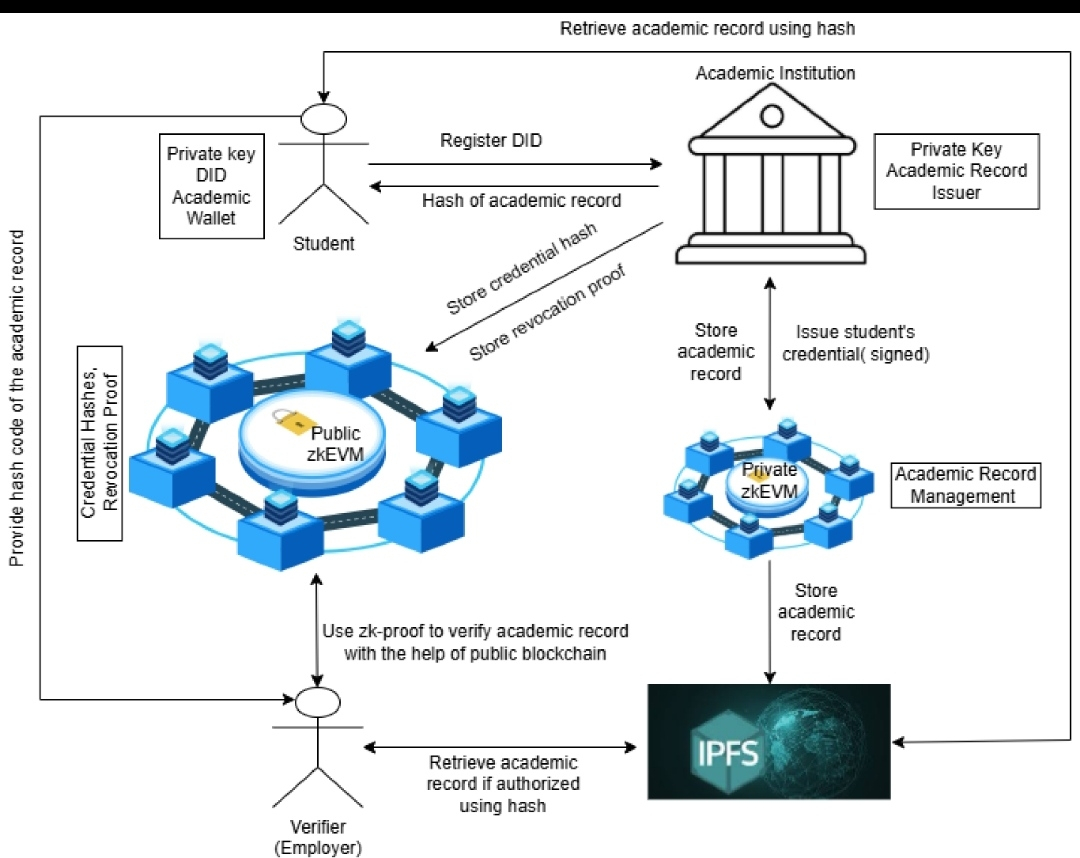
Instead of guessing based on activity, it leans into credentials. Verifiable signals that represent something more meaningful than just movement on-chain. Not perfect, not fully solved, but a step toward making participation more structured.
And that changes how you look at the ecosystem.
Because once credentials become portable and usable across different platforms, identity starts to take shape in a way that isn’t tied to a single project. It becomes something you carry with you, something that builds over time instead of resetting every time you interact somewhere new.
That idea is powerful… but also difficult.
Because systems like this only matter if they’re adopted. If projects integrate them, if standards emerge, if users actually engage with them instead of defaulting to easier, familiar methods.
And that’s where the uncertainty comes in.
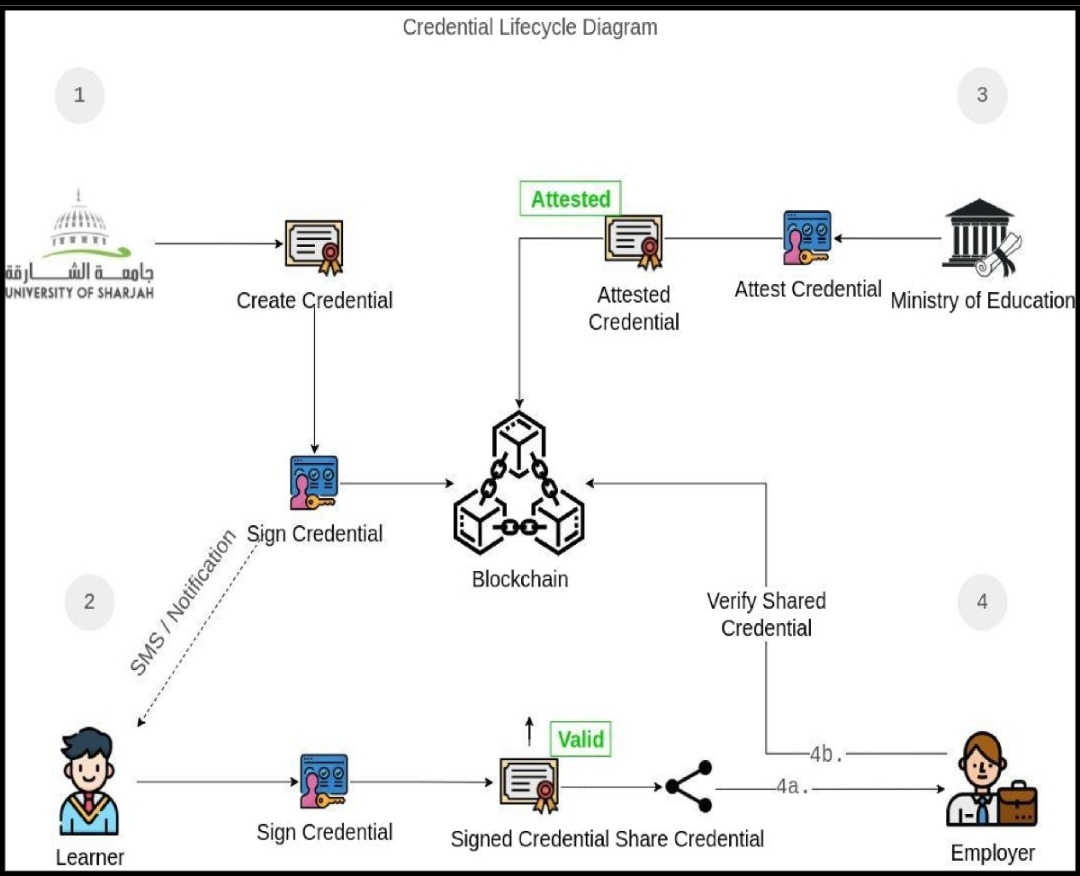
SIGN isn’t solving everything on its own. It’s introducing a direction, not a finished system. There are still questions about scale, about consistency, about whether the ecosystem is ready to move toward something more structured.
But even with those questions, the problem it’s addressing doesn’t go away.
If anything, it becomes more visible over time.
Because as Web3 grows, the cost of getting distribution wrong increases. Communities lose trust. Incentives lose meaning. Participation starts to feel transactional instead of genuine.
And fixing that isn’t about adding more features.
It’s about fixing the layer that decides who gets included in the first place.
That’s what keeps bringing me back to SIGN.
Not because it’s perfect.
Not because it’s proven everything yet.
But because it’s looking at a part of the system most people only notice when it fails.
And in this space, those are usually the ideas that end up mattering more than expected.
@SignOfficial #SignDigitalSovereignInfra $SIGN
