



Welcome to the OpenSea newsletter, let's take a look back at the most important NFT and web3 news of the week.
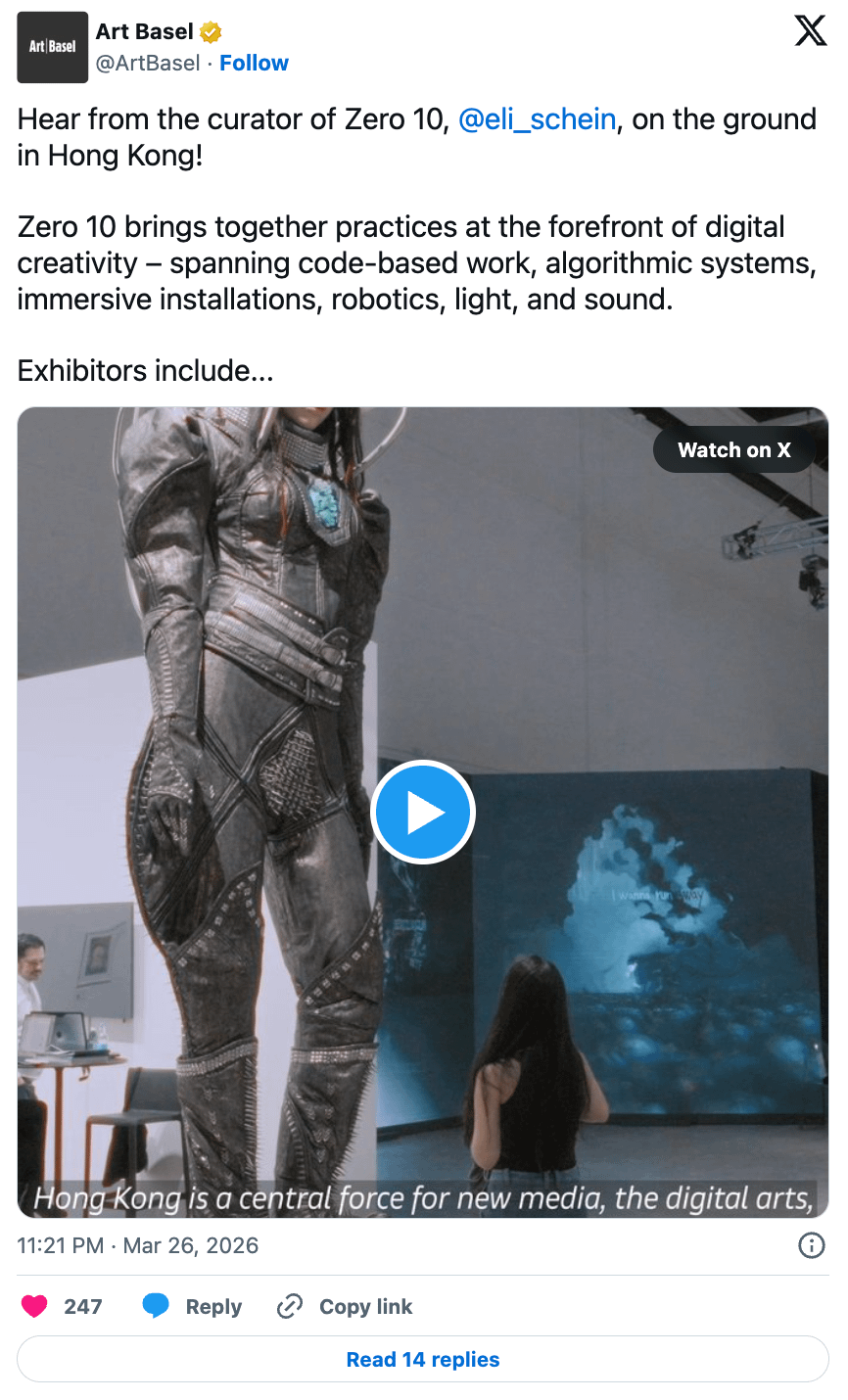
Hong Kong Basel Art Fair opens, showcasing digital art works
The Hong Kong Basel Art Fair officially opened from March 27 to 29, 2026, alongside a brand new global digital art program - Zero 10, which debuted at the Miami Beach Basel Art Fair last December. This marks its first appearance in Asia, showcasing works created using software, artificial intelligence, robotics, and blockchain tools (including NFTs).
Featured artists include Emi Kusano, whose work is based on artificial intelligence and explores digital identity, and Claire Silver, whose piece "Mary" is generated by artificial intelligence and uses Nvidia's software.
Additionally, generative art pioneer Harvey Rayner will also present his work, with his algorithmic art piece "Art Blocks" utilizing color, geometric shapes, and historical art elements to create an evolving visual effect, while the AI-driven artist collective Botto will showcase its "Mirror Stages" series.
Other contributors to Zero 10 include artists such as Jonas Lund, Jack Butcher, Tim Yip, Qu Leilei, and All Seeing Seneca, as well as DeeKay Kwon's projection work DeePle The People, which lights up the Hong Kong club building each night with digital animations reflecting the city.
Outside of Zero 10, Sougwen Chung is exhibiting "Recursion", a performance piece that combines live painting with robotic systems, aimed at exploring the relationship between artistry, data, materials, and labor.
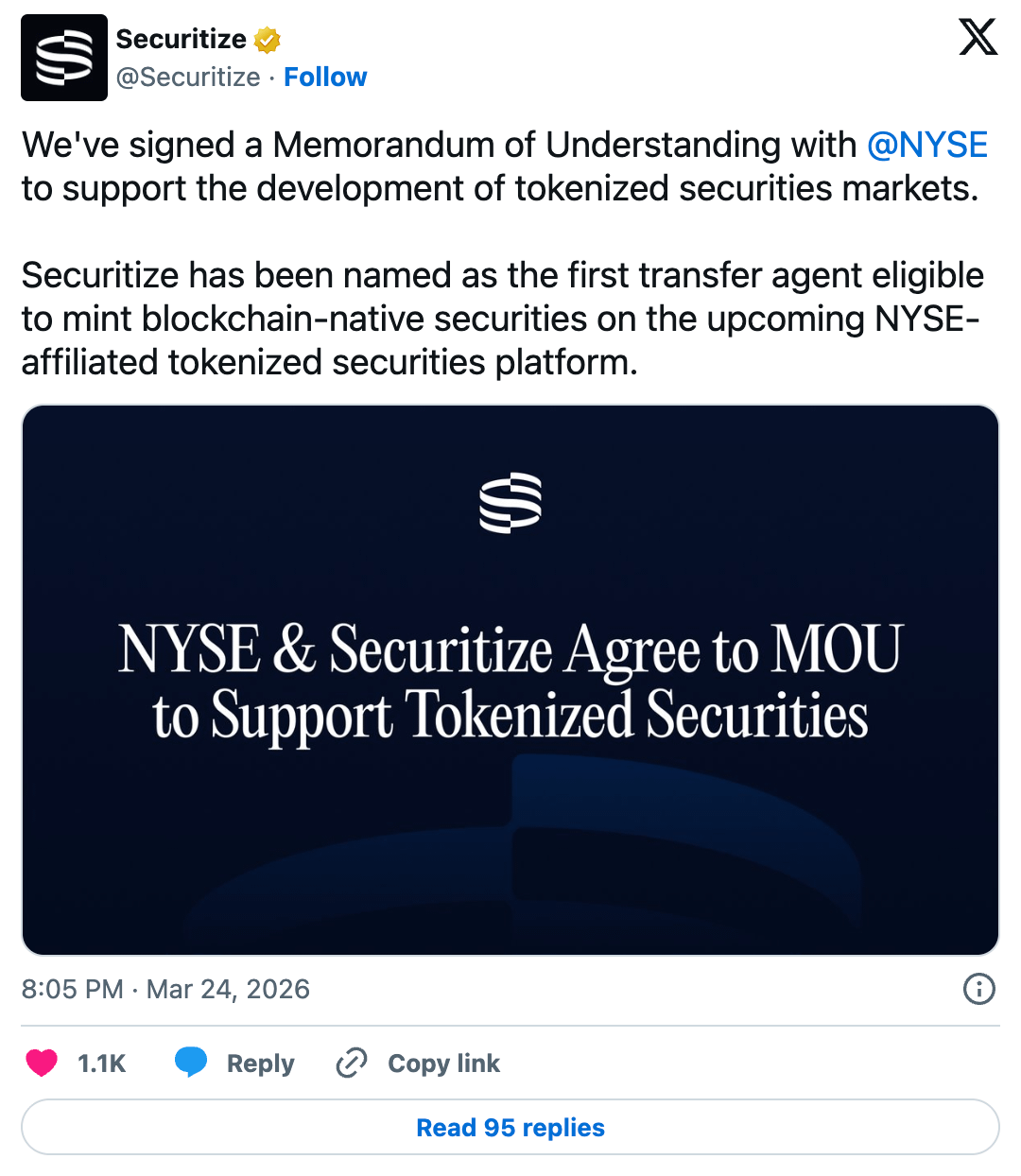
The New York Stock Exchange will create a tokenized securities trading platform.
The New York Stock Exchange announced a partnership with digital asset company Securitize to create blockchain-based versions of traditional financial securities.
According to reports, Securitize will serve as the first digital transfer agent on the upcoming digital trading platform affiliated with the New York Stock Exchange, providing services to corporations and exchange-traded fund issuers to help convert real-world assets into secure digital tokens that record ownership and transactions on the blockchain.
These companies also stated that they will collaborate on digital transfer and tokenization standards, including regulatory, operational, and technical requirements, as U.S. exchanges increasingly attempt to trade stocks, bonds, and funds based on blockchain.
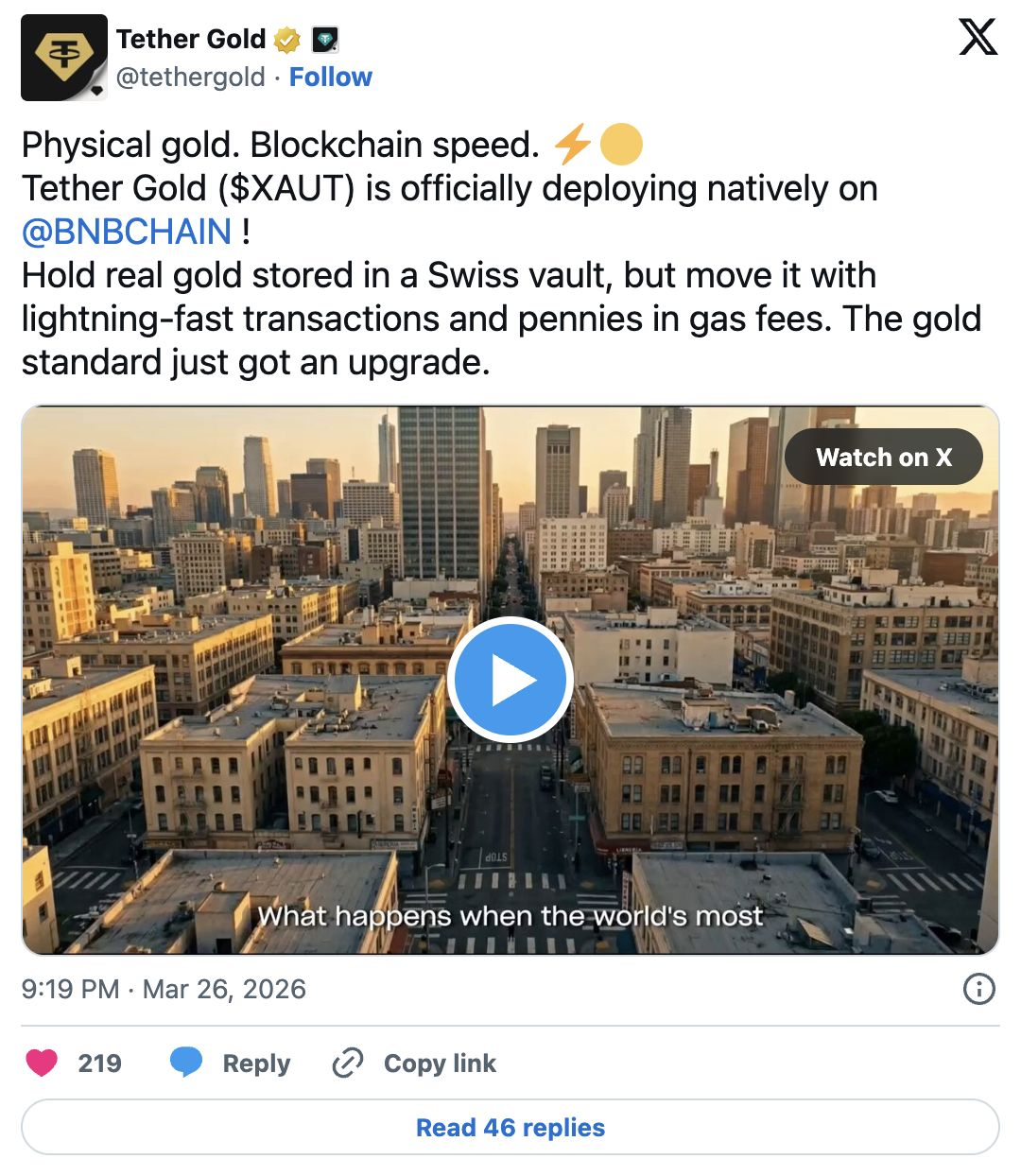
Tether's gold-backed digital token logs onto the BNB chain.
This week, Tether, the company behind the widely used dollar-pegged digital currency USDT, announced that its gold-backed token XAUT is now available on the BNB Chain, a blockchain network operated by cryptocurrency exchange Binance.
The way XAUT operates is by pegging each digital token to an ounce of physical gold stored in Swiss vaults, and this expansion allows users on the BNB Chain to gain direct exposure to gold that is digitally transferred and settled.
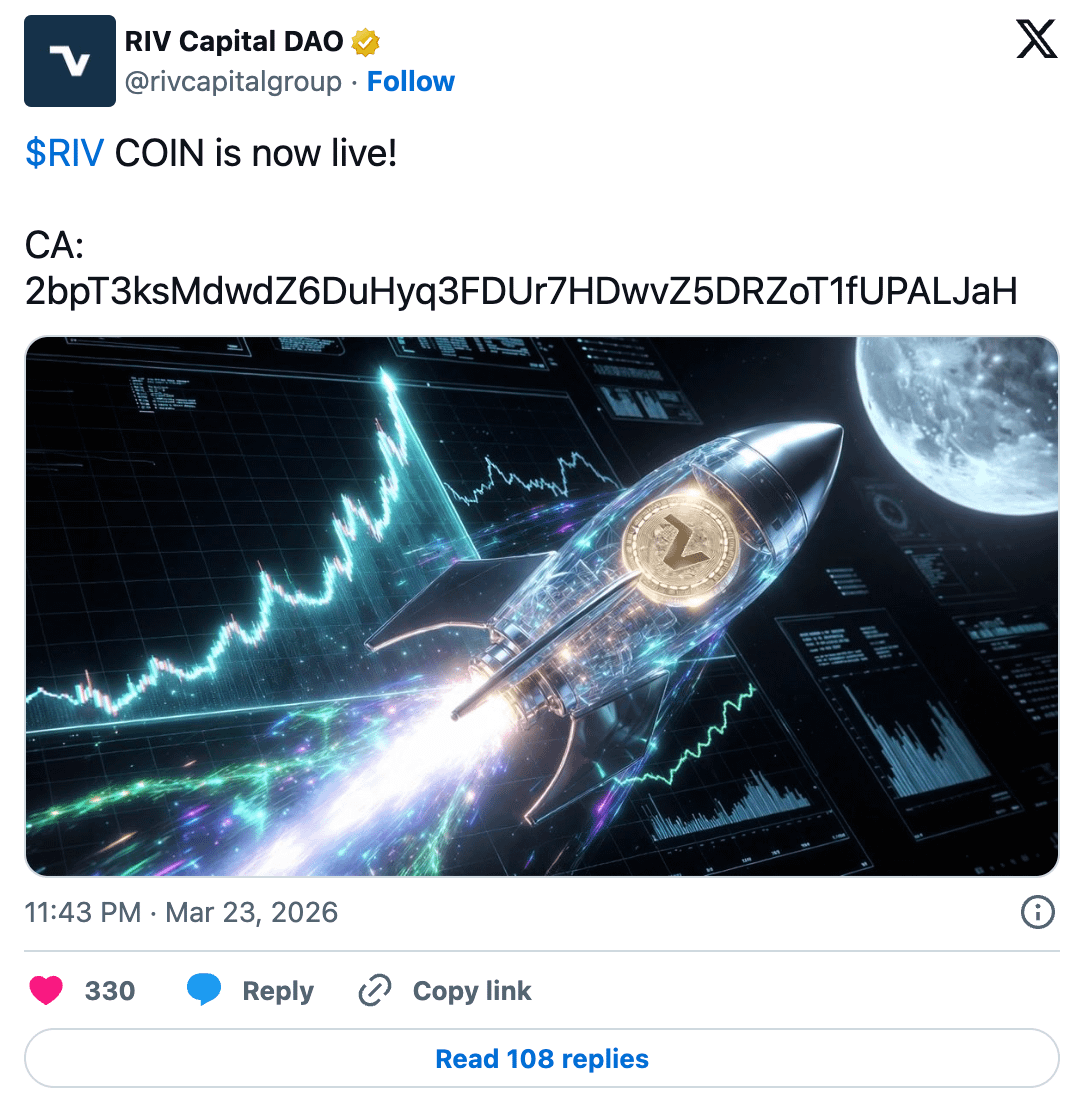
RIV Coin is launching on Solana, aiming to connect institutional investors and DeFi.
RIV Coin (RIV) is a protocol token based on the Solana blockchain, officially launched in Dubai, and is the core token of RIV Capital Group, an international investment group with operations in Europe and the Middle East.
The token adopts a reserve-backed model, meaning that the funds from token purchases will go into a regulated independent fund that invests in traditional financial assets and cryptocurrencies, with all activities being publicly visible and recorded on-chain.
The project also includes StablePay, a tool for merchants to accept cryptocurrency and convert it into fiat currency, as well as its multi-chain digital wallet RIV Wallet.
Meta will deprioritize its VR metaverse applications in favor of focusing on mobile.
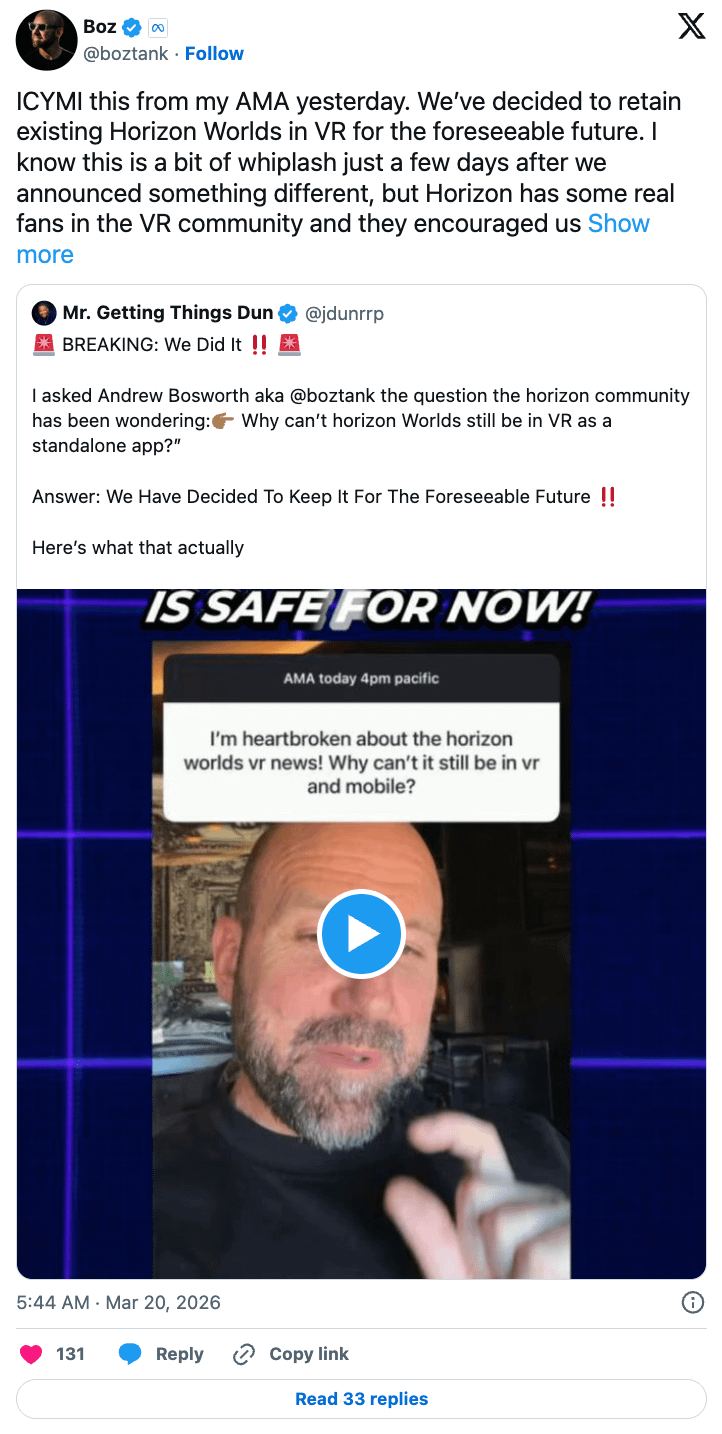
Meta announced that it will stop supporting the multiplayer virtual reality social platform Horizon Worlds on Quest headsets starting June 15. However, after receiving user feedback, Chief Technology Officer Andrew Bosworth partially changed his mind and confirmed in an Instagram story that existing games will still be accessible, but no new VR games will be developed.
Reportedly, since 2021, Meta has spent about 80 billion dollars on VR-related devices through its Reality Labs division, and its shift to a mobile-first strategy has led to direct competition between Horizon Worlds and the popular virtual social world platform Roblox.
Disclaimer: This content is for informational purposes only and should not be considered financial or trading advice. Mentioning specific projects, products, services, or tokens does not constitute endorsement, sponsorship, or recommendation by OpenSea. OpenSea does not guarantee the accuracy or completeness of the information provided, and readers should verify any statements in this article before taking any action. Readers are responsible for conducting due diligence before making any decisions.

#ArtBasel #XAUT #BNBChain #RIVCoin #meta
The OpenSea content you care about
Browse | Create | Buy | Sell | Auction

Follow OpenSea Binance channel
Stay updated with the latest news.