
Why do people still want to trade on DEX when there are already exchanges?
Recently, DEX has been very popular, and the tokens of related projects are also very popular, such as hype and aster.
The centralized exchanges (CEX) are already very convenient,
So why do many people, even whales, still prefer to trade on decentralized exchanges (DEX)?
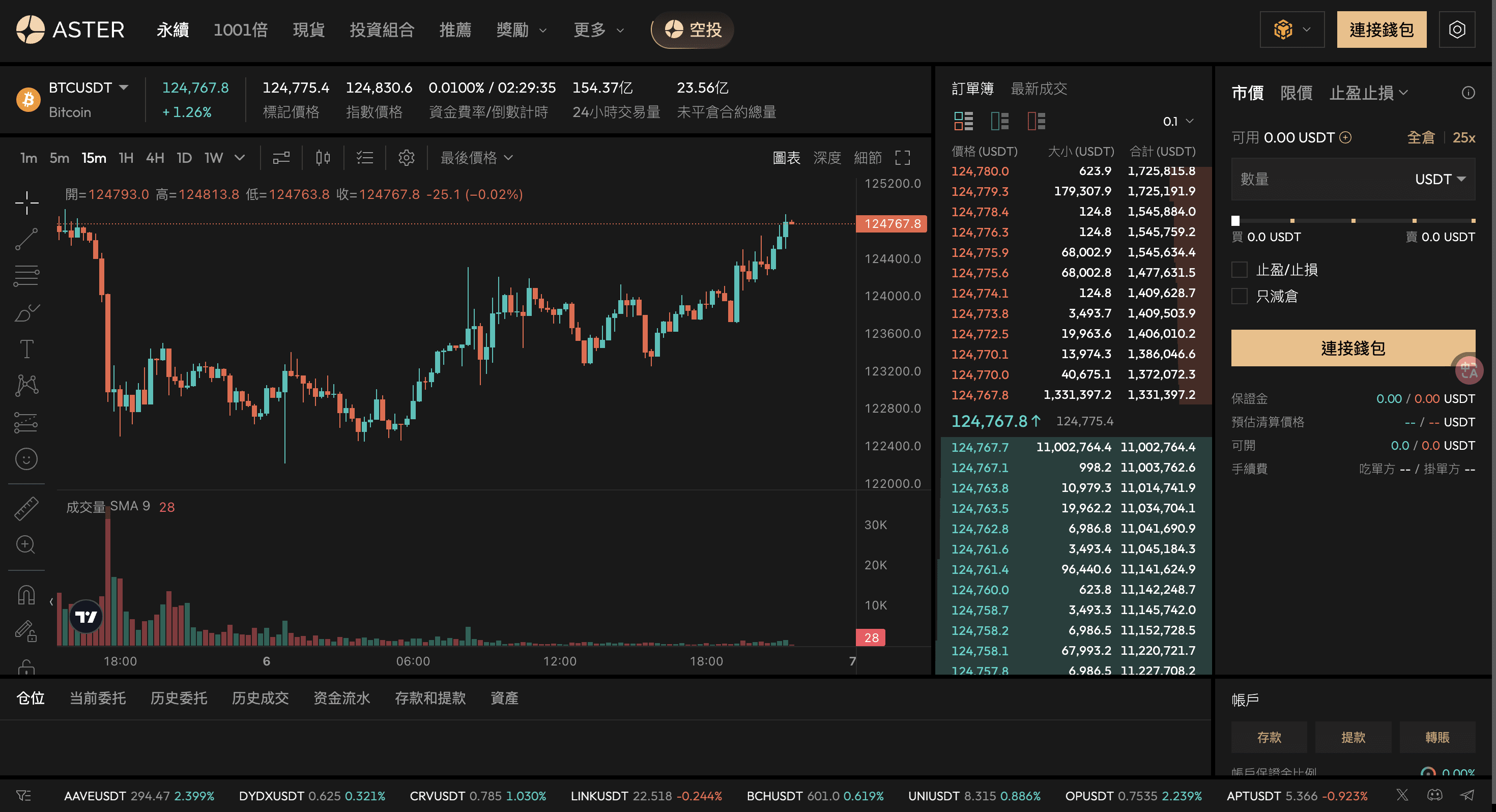
1. The essence of DEX: freedom and control
The biggest attraction of DEX is—"self-control."
On DEX, users do not need to register an account, do not need to verify their identity, and do not need to entrust their funds to others for custody.
Wallets are identities, signatures are proofs.
This makes many whales feel more at ease:
"My coins, I manage them myself."
Rather than placing assets on a centralized platform,
worried that one day there will be problems, assets frozen, and unable to withdraw coins.
Secondly, why doesn't everyone use DEX?
1️⃣ Liquidity risk
The depth of DEX is far less than that of CEX.
Especially for small coins, the trading volume is not large, and once someone makes a large buy or sell, there will be a huge slippage.
You might want to buy a certain small token, but the price skyrockets.
It's indeed not easy for whales to sell on DEX—high prices but unsold.
Therefore, they often sell in batches or use cross-chain bridges and CEX for transfer.
2️⃣ Contract and security risks
DEX operates based on smart contracts.
Once there are vulnerabilities in the contract and exploited by hackers, funds may evaporate instantly.
No human customer service, no rollback mechanism—
"There are only results on the chain, no regrets medicine."
3️⃣ Operational threshold
DEX is not friendly to newcomers.
Wallet authorization, gas fees, signature transactions...
Any unfamiliar operation step may lead to mistakes.
Thirdly, why do whales still go?
DEX is relatively the "native" market.
New projects launch quickly, unrestricted by platform rules, enabling participation in airdrops, mining, and LP, and more importantly, privacy and freedom. Some whales would rather bear the risk than be monitored or restricted by centralized platforms.
This is also a paradox in the crypto world:
The more you want to control freedom, the more you must be able to bear risks.

Fourth, CEX and DEX are not opposites.
CEX is like a city, with order, rules, and security;
DEX is like the wilderness, with freedom and transparency, but danger.
As retail investors or traders,
we can actually choose a combination of both:
Use CEX to manage main assets and use DEX to explore new opportunities.
What do you think?
In your trading habits, do you prefer CEX or DEX? Why?
Let's chat in the comments.😀