
For newcomers to the cryptocurrency world, this is a field full of opportunities but also fraught with traps. Keeping the following precautions in mind can significantly reduce your risks and avoid unnecessary losses.
Part One: Core Mindset and Cognition (Mental Armament)
This is the most important aspect; your mindset determines how long you can survive in the cryptocurrency world.
Respect the market, refuse FOMO
FOMO stands for 'Fear Of Missing Out', which means 'the fear of missing out'. Seeing stories of others becoming wealthy can easily lead to impulsive high buying, resulting in purchasing at the peak.
Remember: The market always has opportunities. Missing one is okay, but losing your principal really means losing everything. Don't invest money you can't afford to lose.
Recognize the high-risk nature
The cryptocurrency market is highly volatile, with 24-hour trading and no limits on price fluctuations; assets can double in a day or get halved.
This is a global market where regulatory policies, celebrity statements, and actions from project teams can all lead to drastic fluctuations. Treat it as a high-risk investment, not a guaranteed profit gamble.
Independent learning and research
Do not blindly trust anyone's recommendations, including so-called 'experts', 'teachers', or social media KOLs. They might be 'shouting orders' to pump prices until you buy.
Before investing in any project, at least take time to understand its whitepaper, the problems it solves, the team's background, technical foundation, and community ecosystem.
Investing with spare money
Only invest with spare money you can afford to lose. Never borrow money, take loans, or use credit cards to trade cryptocurrencies, as this can distort your mindset and prevent rational judgment.
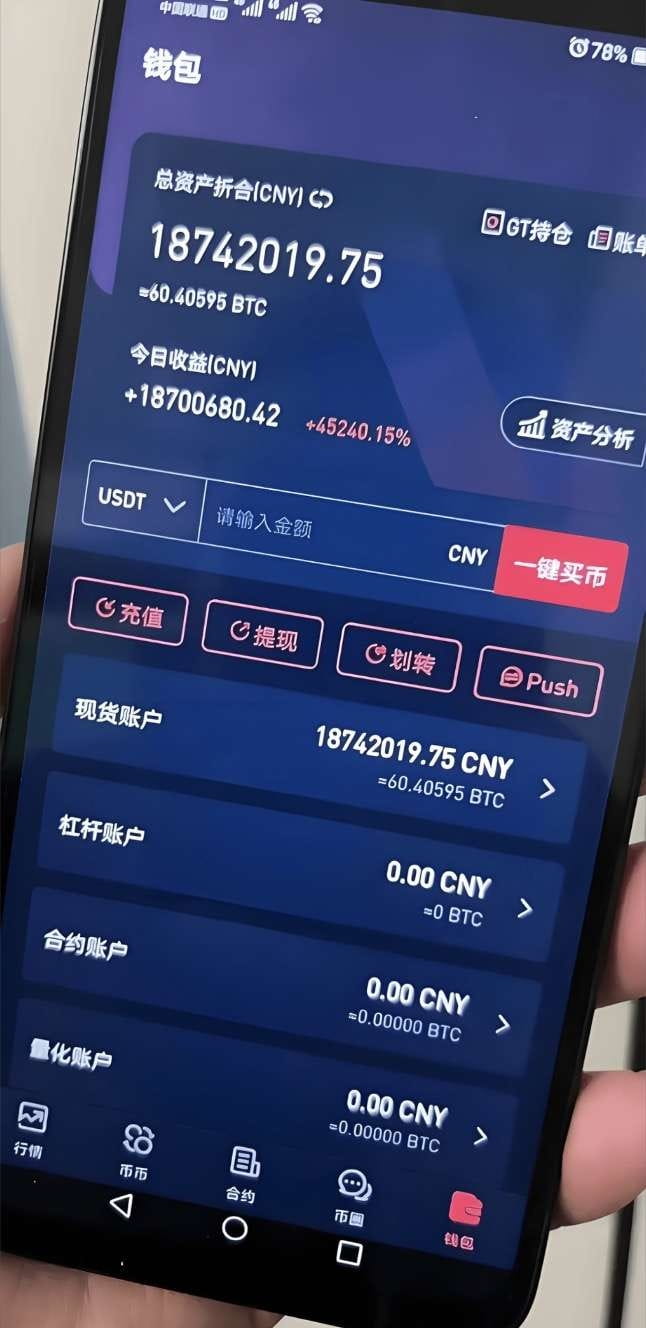
Honestly, many beginners ask: Can contracts make money? Yes! But it is definitely not easy money!
1. Capital is like your father! Protect it!
Only use spare money! It's the kind of money that you won't miss even if you lose it! Never go all-in, and don’t borrow money to play!
Position management is crucial! I usually do not exceed 2%-5% of total funds for a single trade. No matter how good the market is, don’t be greedy and leverage to the point where you can't sleep!
2. Stop-loss! Stop-loss! Stop-loss! (Say it three times!)
Before opening a position, you must first set a stop-loss point! This is your lifeline! Don’t fantasize that 'just wait a little longer and it will come back'; the market has various ways of punishing disobedience.
Mechanical execution! When it reaches the stop-loss point, act decisively, don’t hesitate! Feeling sorry? It’s better than liquidation by a hundred times!
3. Emotions are the biggest enemy!
Don't get carried away when making money, thinking you are the 'chosen one'; and don’t panic when losing money, wanting to go all in to recover losses. Both mindsets are extremely dangerous!
Establish a trading plan and execute according to the plan! Don’t be swayed by market FOMO emotions. Turn off community noise and focus on your strategy.
4. Only trade in markets you understand!
Don't try to jump on every hot topic! Have you thoroughly researched Bitcoin and Ethereum? It’s more important to focus on 1-2 cryptocurrencies you truly understand and grasp their 'temperament'.
Trends are your friends. Trading against the trend? That's a game for experts (or fools). Newcomers should follow the trend!
5. Continuous learning + reviewing!
Candlestick charts, indicators, fundamentals... If you don't understand, don't play! Basic knowledge is the foundation.
Daily/weekly review! Why did the profitable trades make money? What went wrong with the losing trades? Record! Reflect! Improve!
6. Bloody lessons:
Don't hold positions! That's how liquidations happen! Recognize mistakes and exit, come back next time.
The last hard truth:
Contract risk is extremely high! It is not a shortcut to wealth! It is more like a 'high-risk, high-reward' financial playground. I'm sharing my insights not to encourage everyone to enter, but if you must play, I hope you can avoid the pitfalls I've encountered and pay less tuition.
Keep a calm mindset, control risks, and small bets can be enjoyable (not real gambling!), perhaps you can get a share in this fierce battlefield. But always remember: as long as you're alive, there is hope.
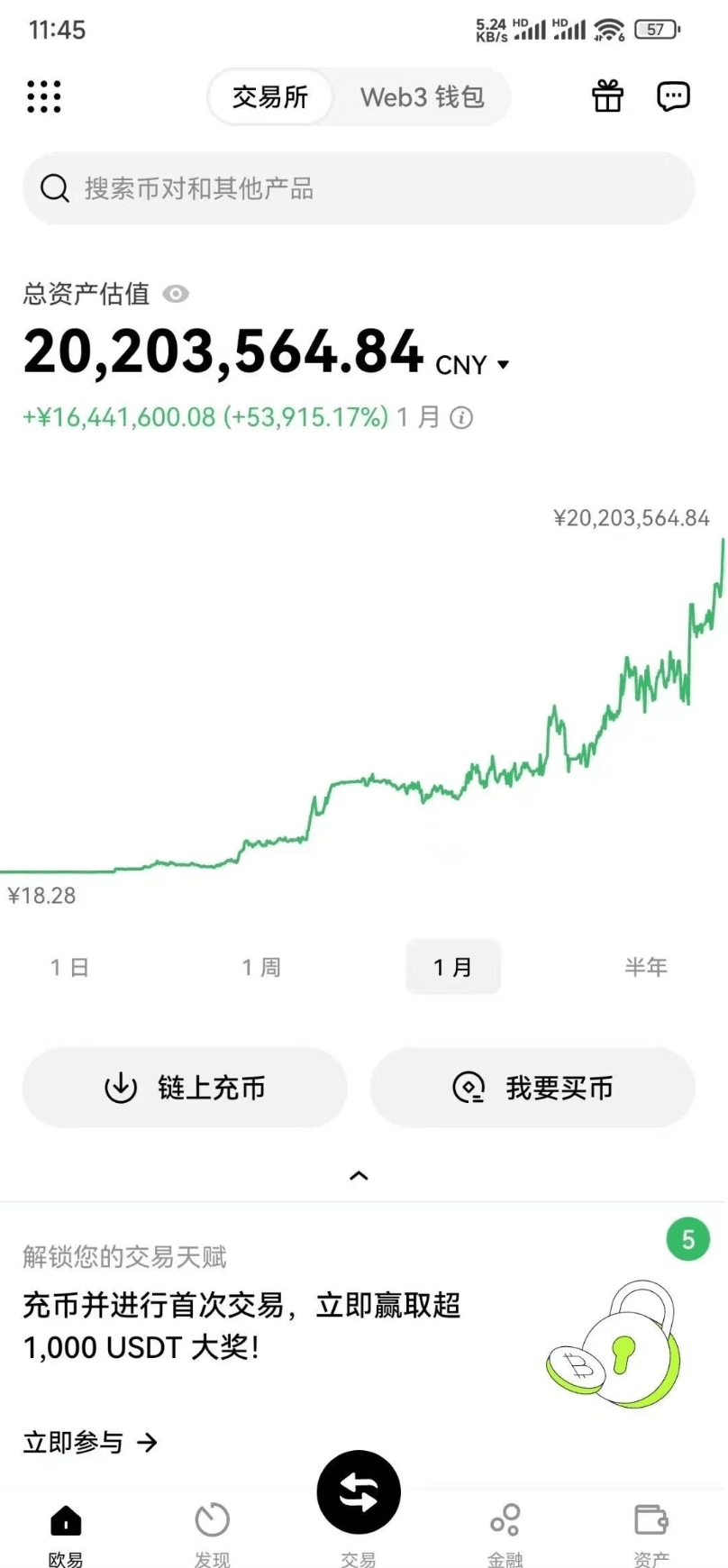
Must-read for retail investors reversing their fortunes! The three-cycle trading method helps you bid farewell to 'buying leads to falling, selling leads to rising'!
Many traders repeatedly fall into pitfalls due to focusing only on a single cycle. Today, I’m sharing a verified practical 'multi-cycle candlestick trading method' that locks in trends, positions, and timing in three steps, significantly improving trading success rates.
Step 1: 4-hour candlestick chart — determine direction
Core function: Assess the market's major trend, decide whether to go long or short.
Uptrend: Highs and lows rise simultaneously → Only buy on dips
Downtrend: Highs and lows decrease simultaneously → Only short on rebounds
Consolidation: Prices fluctuate repeatedly within the range → Suggest to wait and avoid frequent operations
Key principles:
Trading with the trend is the foundation of survival; trading against the trend is like giving money away.
Step 2: 1-hour candlestick chart — find position
Core function: Define key support/resistance areas in trends, identify high-probability entry zones.
Long signal: Price retraces to trend lines, moving averages, or previous lows as support
Short signal: Price rebounds to previous highs, resistance levels, or shows top formations
Note: If the price does not reach key levels, it's better to give up than to force a trade
Step 3: 15-minute candlestick chart — seize the opportunity
Core function: Precisely capture buy/sell signals, avoid entering prematurely or missing opportunities.
Confirmation signal: A reversal pattern appears in a small cycle (e.g., engulfing, divergence, golden cross and death cross)
Volume verification: A breakout needs increased volume, otherwise it may be a false move
Strict stop-loss: Small cycle fluctuations are drastic, must set stop-loss protection
Practical process of multi-cycle collaboration
Direction selection: 4-hour chart determines bullish/bearish trend
Area locking: 1-hour chart marks support/resistance ranges
Signal triggering: Wait for reversal pattern + volume confirmation on the 15-minute chart before entering
Important notes
Cycle conflict: If the direction of large and small cycles contradicts, prioritize staying in cash and watching
Stop-loss discipline: Small cycle trading must have stop-loss to prevent unexpected liquidations
Core logic: Trend > Position > Timing, none of the three can be missing
The bloody history of trading: The investment truth I realized from being a million in debt
To be honest, when I lost 1 million trading cryptocurrencies, that feeling was worse than eating bitter herbs. But this loss made me completely awake, understanding a principle: In the cryptocurrency industry, the only people who can get rich are those who have experienced bankruptcy, learned from it, and have a strong mindset.
Trading cryptocurrencies is really exciting, trading all day without limits on price fluctuations, making people dream of getting rich overnight. But this is also why losses are so common in the crypto world. Almost everyone who enters the crypto space will encounter significant losses and forced liquidation. Those who ultimately make money are the ones who have gone through these experiences, learned from them, and can get back up.
You must understand that survival is the top priority. As Sun Tzu said, a good strategist first secures a position of invulnerability and then waits for opportunities. The same applies to trading cryptocurrencies; you must preserve your capital and not go bankrupt due to temporary impulses. Remember, no matter how many times you've made a profit in the past, if you lose 100% just once, you will have nothing.
Capital management is the top priority. A successful trade might move you forward a small step, but a failed trade could set you back a large step. That step could very well block your path to capital accumulation. Capital accumulation takes time, opportunities, and a good mindset to face gains and losses.
I've seen many people haggling over a piece of clothing for a long time, but when it comes to the investment market, they make rash decisions, which is a big taboo. To earn big in the market, you must be careful and cautious, guarding your account like you would your own eyes.
Before entering the market, you must have a clear plan: how much money you want to make, how much loss you can accept, at what profit level to secure gains, how to add positions, and how to set stop-losses; you must be clear about these.
Trends are your good friends. Don't rush to trade; patiently wait for a clear market trend. Bull markets do not form in a day, nor do bear markets. As long as you patiently wait, find the trend, and follow it, you can make big money. Frequent trading will only trap you in endless fees and psychological struggles.
Psychological quality is absolutely the core of trading cryptocurrencies. Trading is contrary to human nature; only a few can make money, while most are just accompanying runners. You need to have strong psychological quality to survive in this market. If you enter with ten thousand dollars and your heart races over a hundred dollars' fluctuation, it’s better to leave early.
The way of trading is the combination of your knowledge, vision, and courage. You need to find your own trading logic and form your own trading system, so that you can overcome human weaknesses, let profits run, and stop losses.
Finally, what I want to say is that those who make money trading cryptocurrencies do not depend on what techniques and methods they use, but on their self-discipline and patience. This is a battle of time and patience. Don't think about getting rich overnight; steady progress is the key.
A new round of bull market for cryptocurrencies has begun. In this round, we aim to achieve true financial freedom. But remember, don't be blinded by short-term fluctuations; stay rational, keep learning, diversify investments, manage risks well, choose safe trading platforms, focus on long-term value, maintain a good mindset and a healthy lifestyle. These are the cornerstones of your success.

