
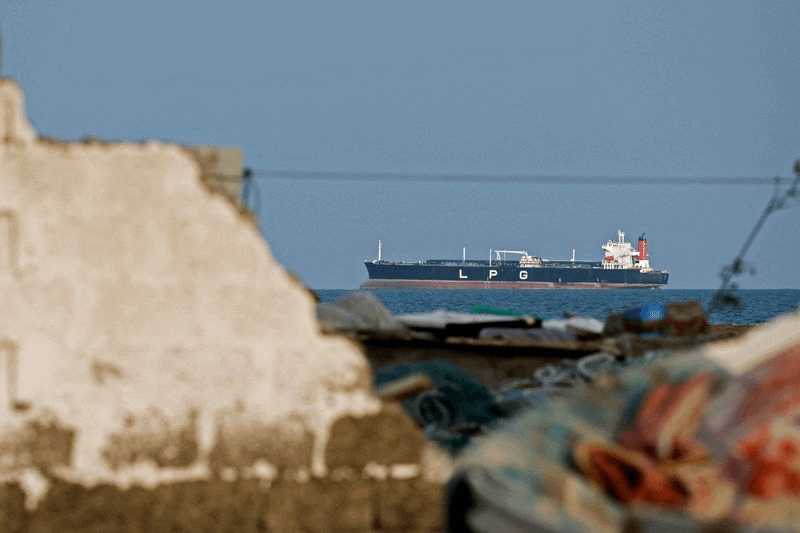
European natural gas prices experienced the largest intraday drop in the last two years. Investors reacted with massive sell-offs to news of a two-week ceasefire agreement between the USA and Iran, reports Bloomberg.
On Wednesday morning, benchmark gas futures plummeted by 20%. By 9:41 Moscow time, quotes were recorded at 44.13 euros per megawatt-hour (down 17%), dropping to their lowest levels since March 2 – the day when the unprecedented 'military rally' began.
Analysts note that the record collapse of European gas prices has been largely provoked by panic actions of speculators. On the eve of the announcement of the ceasefire, hedge funds accumulated a record volume of long positions, and are now forced to close them urgently, increasing market volatility.
At the same time, participants in the real physical market maintain extreme caution, preferring to wait for actual confirmations of the agreement's effectiveness.
"Fundamentally, little has changed so far," cools investor optimism Tom Marcek-Manser, director of gas and LNG at the consulting company Wood Mackenzie. "Apart from rescuing LNG tankers trapped in the Persian Gulf, the only thing that really matters for the global market is the restart of the Qatari complex Ras Laffan."
The world's largest LNG hub in Qatar has sustained serious damage as a result of rocket strikes in recent weeks. According to Wood Mackenzie, even if QatarEnergy begins the process of restarting Ras Laffan in early May, it will take time until the end of August for the twelve surviving technological lines to return to full operation. As for the two lines destroyed by Iranian rockets, their repair, according to statements from Qatar itself, may take up to five years.
Now all market attention is focused on the Hormuz Strait: traders are watching which vessels will be the first to risk moving through the narrow neck of the Gulf and how successful this transit will be.