As of April 2026, the cryptocurrency market shows a complex but simultaneously promising dynamic. After a period of sharp fluctuations in 2025, investors are entering a new stage — a stage of cautious recovery, accompanied by both macroeconomic risks and increased institutional interest.
🔻 Volatility remains a key factor
Recent events on the global stage have once again confirmed: cryptocurrencies are closely tied to macroeconomics and geopolitics. In particular, the escalation of the situation in the Middle East and the unsuccessful negotiations between the USA and Iran caused a short-term market decline.
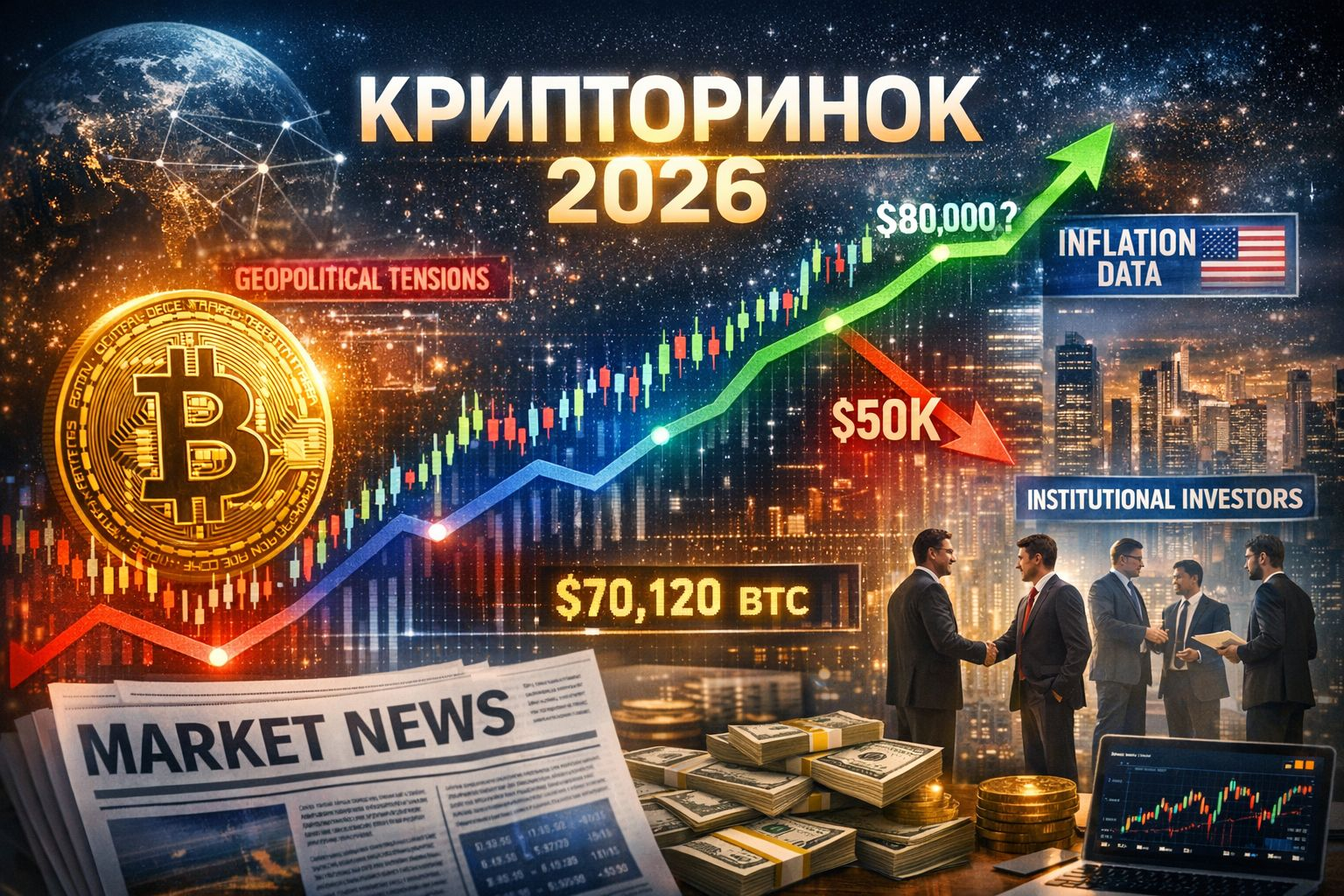
Bitcoin these days is fluctuating around $70,000–72,000, demonstrating typical behavior of a risky asset: reacting to news, inflation, and expectations of interest rates.
This means that the crypto market no longer exists separately — it is integrated into the global financial system.
📉 Consolidation after the peak
After a historical peak of over $120,000 in 2025, Bitcoin is currently about 40% below its peak values.
However, instead of a sharp decline, a consolidation phase is observed — the price is moving within a relatively narrow range ($62,000–75,000).
This is a typical stage of the market before forming a new trend:
or further growth,
or prolonged sideways movement.
📈 Signs of gradual recovery
Despite the instability, the market is sending positive signals:
📊 Bitcoin ETFs are once again receiving inflows after a long period of outflows
📉 The fear and greed index is coming out of the 'extreme fear' zone
📈 The total market capitalization is forming 'higher lows'
This may indicate that the market has already hit the bottom in February 2026 and is gradually recovering.
🌍 The impact of the global economy
Today, the crypto market is particularly sensitive to:
inflation in the USA
Federal Reserve policy
energy prices
geopolitical conflicts
For example, high oil prices and delays in lowering Fed rates are holding back active growth of crypto assets.
Thus, cryptocurrencies are increasingly behaving like traditional financial assets with high risk.
🧠 The role of institutional investors
One of the key trends of 2026 is the increasing role of institutions:
large funds are returning to Bitcoin through ETFs
The crypto market is becoming more 'mature'
liquidity is increasing
It is institutional capital that can become the driver of a new bull cycle.
🔮 What next?
Analysts are considering several scenarios of development:
🟢 Optimistic:
decreasing inflation
the easing of Fed policy
new inflow of institutional investments
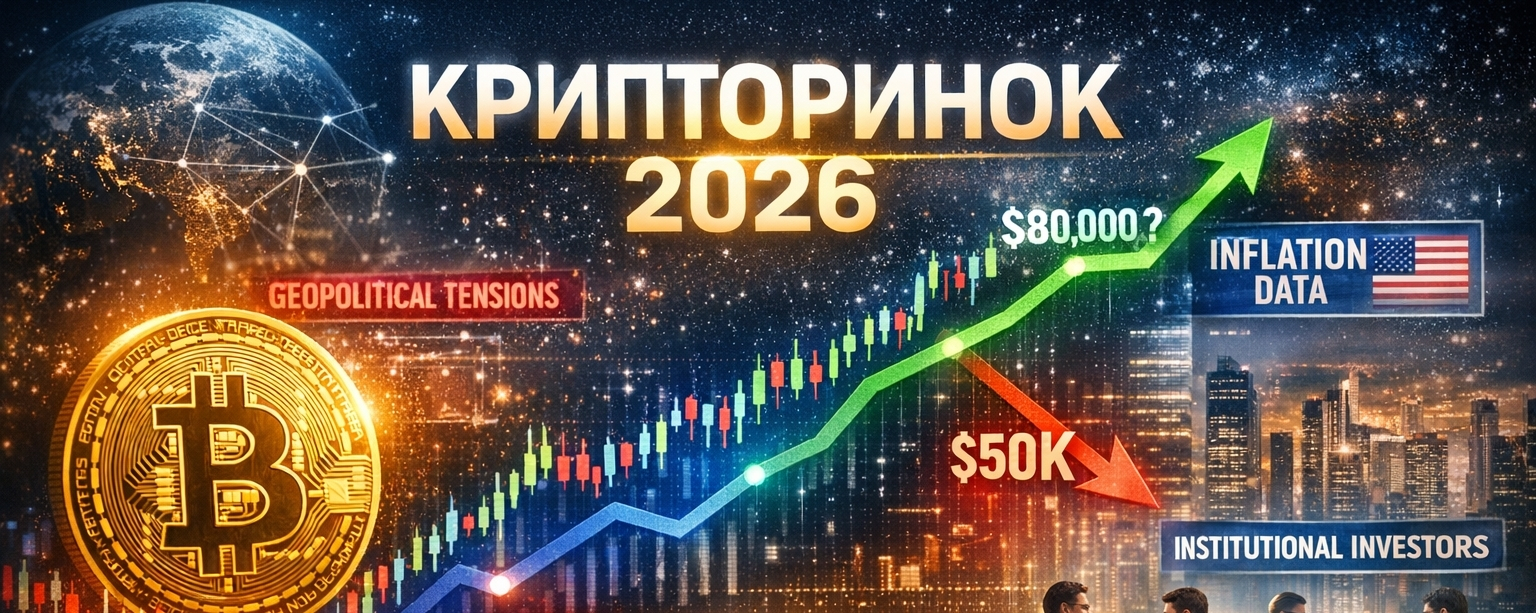
👉 potential rise of BTC to $80,000+
🟡 Neutral:
prolonged consolidation
range movement
👉 the market is accumulating strength
🔴 Pessimistic:
escalation of conflicts
tight monetary policy
👉 possible drop to $50,000–60,000
🧩 Conclusion
The cryptocurrency market in 2026 is a balance between risk and opportunity. It is no longer a 'wild west' but is becoming part of the global financial system.
Despite short-term instability, long-term factors — technology development, institutional participation, and growing trust — remain positive.
👉 The main rule today:
not emotions, but strategy.