

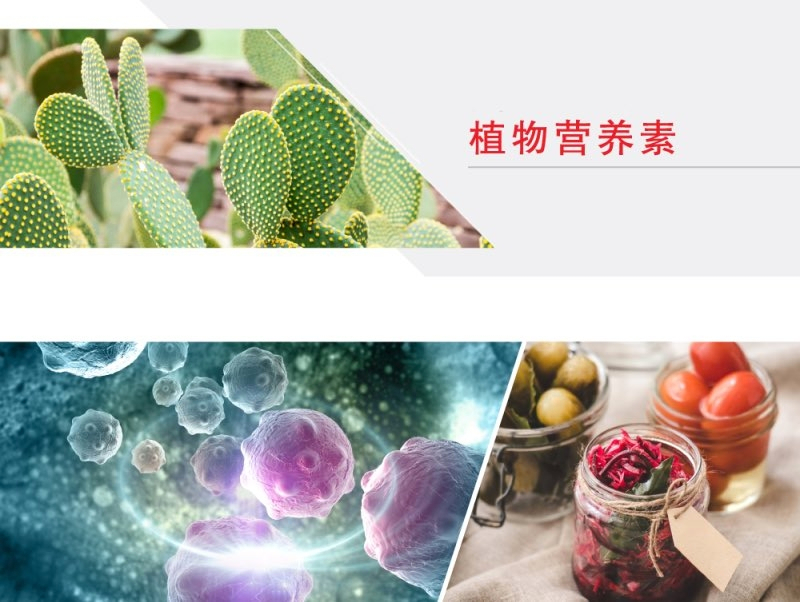
Did you know?
Every bite of fruit and vegetable you eat is not just about replenishing vitamins and minerals – they contain millions of amazing active substances known as "phytonutrients".
Scientists have studied these substances for decades and discovered that they are the "secret weapons" that plants use to protect themselves and adapt to their environment. When humans learn to extract them from plants, a new door to health is opened.
But this path proved far more difficult than imagined.
I. What are phytonutrients? - The Plant Kingdom's "Superhero Training Camp"
Phytonutrients, also known as plant chemicals, are defense and repair systems that plants have "tailor-made" for themselves during the course of evolution. You can think of it this way: plants can't run, they can't shout, and they can't fight, so they've invented a whole arsenal of chemical weapons to deal with insects, germs, and ultraviolet rays.
They are not "essential nutrients" for human survival (unlike proteins and carbohydrates), but a growing body of research confirms that their value to human health may far exceed our imagination.
There are over 200 known plant nutrients globally, which can be categorized into the following main types:
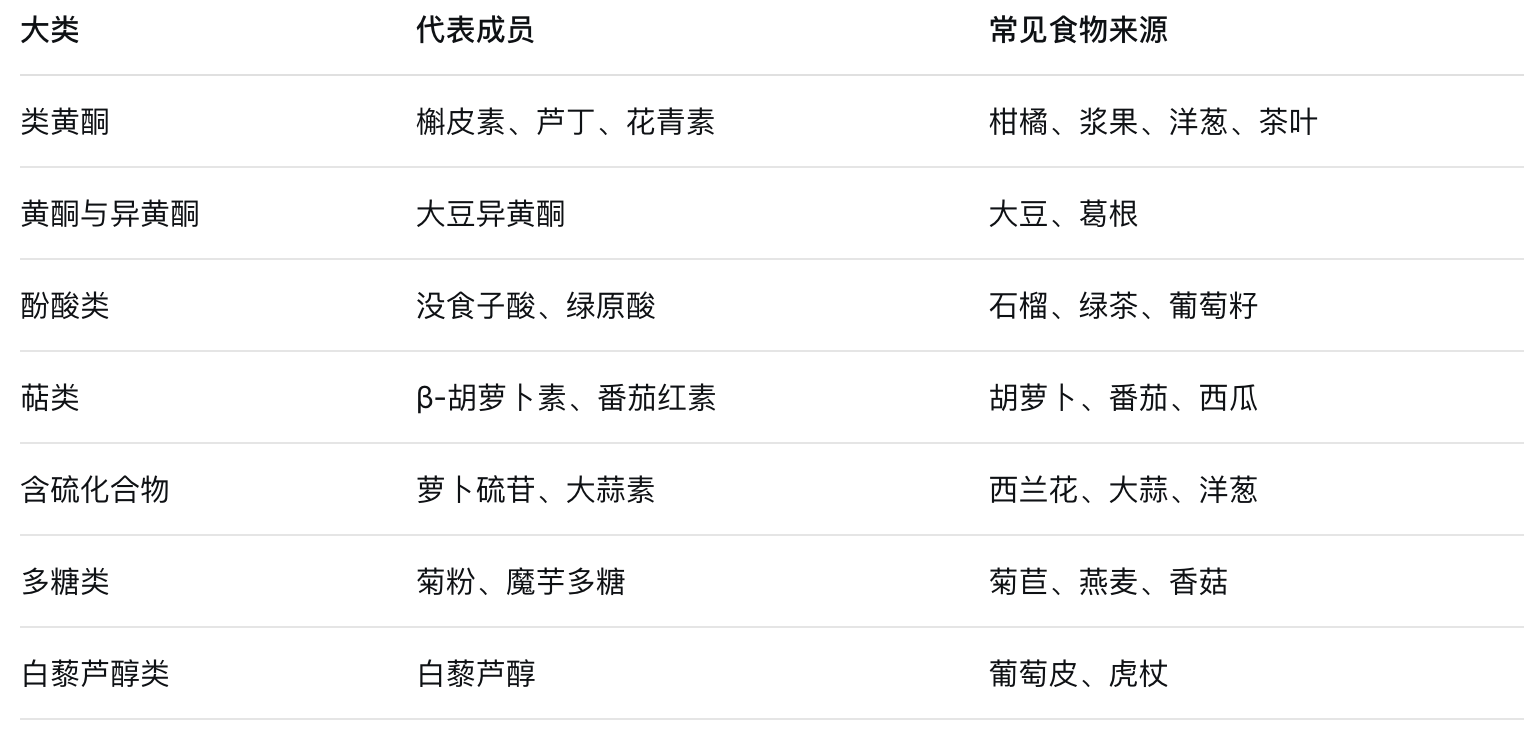
Each one has its unique mission, just like each hero in the Avengers - each has their own superpowers, but when they combine, they can unleash earth-shattering combo attacks.
II. Behind every drop of essence lies a tough battle of science and technology - how "difficult" are phytonutrients?
At this point, I must reveal a truth that many people are unaware of:
Extracting plant nutrients from plants is harder than catching the top in the cryptocurrency market.
1. Extremely low content, difficult to collect - this is panning for gold, not harvesting vegetables.
Phytonutrients are often present in plants in amounts of only a few ten-thousandths, or even less.
For example, 1000 kilograms of grape seeds can only yield about 1 kilogram of proanthocyanidins. What does 1000 kilograms mean? That's a ton! The weight of a small car yields only 1 kilogram of powder. This is not a simple "pressing" process, but requires repeated extraction, separation, and purification, which is even more laborious than refining gold from seawater.
Alfalfa should only be harvested when the buds are about to open, cutting the top 10-15 cm of the most nutrient-rich part of the stem – this is when the plant's nutrient concentration is at its highest. If you miss this opportunity, you've missed it. You think you're harvesting, but you're actually racing against time.
2. Naturally "delicate" and extremely unstable - even more difficult to please than your ex.
Many plant nutrients are extremely sensitive to temperature, light, and oxygen; they will decompose and become ineffective when exposed to even slight heat.
Quercetin is unstable, gallic acid is easily oxidized, and anthocyanins fade when exposed to light. If the extraction process is substandard, you may think you are eating nutrients, but you are actually eating a "corpse." It's like spending a lot of money to buy a piece of top-grade Wagyu beef, only to microwave it for three minutes. The ingredients are good, but you've eaten nothing.
3. Extraction technology determines life or death - this is "pharmaceutical-grade" precision manufacturing.
This is why the extraction technology of phytonutrients has become a core competitive advantage:
Low-temperature extraction: to avoid damage to heat-sensitive components;
Supercritical CO₂ extraction: Using pressure to turn carbon dioxide into a supercritical fluid, it can precisely extract target components like a "super solvent," a technology praised by Nobel laureates.
Microencapsulation: Encapsulating fragile active ingredients in a protective membrane, allowing them to reach your body alive.
This isn't agriculture; it's pharmaceutical-grade precision manufacturing. A company that can effectively extract plant nutrients is essentially half a pharmaceutical company.
III. A Pictorial Guide to Plant Nutrients - Each One a Nature's "Superhero"
Having discussed so much about the "difficulty," let's now look at the "worth it."
Every plant nutrient is the culmination of hundreds of millions of years of evolutionary wisdom. Here are their key abilities:
🍇 Proanthocyanidins
Sources: Grape seeds, pine bark
Proanthocyanidins are among the strongest known natural water-soluble antioxidants, with an antioxidant capacity 50 times that of vitamin E and 20 times that of vitamin C.
Its remarkable properties lie in its ability to cross the blood-brain barrier, eliminate free radicals in the brain, and protect collagen from degradation. Simply put, it can keep your blood vessels elastic, your skin firm, and your mind clear.
Origin: Grapes (Major global producing regions: France, Chile, Shandong, China)
Why is it difficult? It must be extracted from the seed coat of grape seeds. Every percentage point increase in purity represents a technological breakthrough. Keep in mind that grape seeds are smaller than sesame seeds. Extracting the essence from them is as difficult as "finding a gram of gold from a grain of sand."
🌿 Paeoniflorin
Source: Roots of white peony
White peony has been used in medicine for 2000 years and appeared in the Treatise on Febrile Diseases. Paeoniflorin is the core active ingredient of white peony, which can nourish blood, soothe the liver, relieve pain and spasms.
Modern research has confirmed that paeoniflorin has anti-inflammatory, hepatoprotective, and immunomodulatory effects.
Origin: Bozhou, Anhui, China (the authentic producing area of white peony, known as "Bozhou White Peony")
Why is it difficult? Paeoniflorin has a complex molecular structure, and the extraction rate by traditional decoction is extremely low. Modern extraction technology is needed to fully release it. In ancient times, people relied on "boiling". Less than 10% of the effective ingredients could be extracted from a pot of soup, and the remaining 90% was thrown away with the dregs.
🌱 Glycyrrhizic acid
Source: Licorice root
Licorice is known as the "elder" of traditional Chinese medicine - it can harmonize various medicines and has powerful anti-inflammatory, antiviral and anti-allergic effects. Glycyrrhizic acid is the most key active ingredient in licorice.
However, glycyrrhizic acid has a characteristic: it is a medicine in the right amount, but harmful in the wrong amount. Therefore, it is extremely important to control the dosage precisely during extraction. It is like chili peppers - a little enhances the flavor, but too much is deadly.
Origin: Xinjiang, Gansu, and Inner Mongolia, China (wild licorice resources)
Why is it difficult? Licorice is a protected wild plant, so the availability of raw materials is limited. Furthermore, glycyrrhizic acid needs to be deacidified before it can be used safely. You can't just dig it up whenever you want; this stuff is now under national control.
🥦 Glucosamine
Source: Cruciferous vegetables such as broccoli, kale, and cabbage
Glucosamine itself is inactive, but once it is broken down by gut bacteria or myrosinase, it becomes sulforaphane – one of the most potent natural detoxifiers known.
It can activate the Nrf2 pathway in the body, initiating more than 200 antioxidant and detoxification genes. The international authoritative journal Science called it "the most noteworthy natural active substance".
Origin: Major broccoli producing areas - Shandong, China; California, USA; Australia
Why is it difficult?
Glucosamine is sensitive to heat and storage - cooking fresh broccoli above 60°C results in the loss of more than 80% of its active ingredients, so your plate of stir-fried broccoli is basically equivalent to eating "the corpse of broccoli".
It requires a specific process to "lock in" the activity, and then release it when consumed. This is like putting "insurance" on a bullet - it doesn't explode normally, but only explodes when it gets into the body.
🌼 Quercetin
Sources: Buckwheat leaves, onions, grape seeds, hawthorn berries
Quercetin is an "all-rounder" in the flavonoid family; research has confirmed that it can:
Scavenging free radicals and providing antioxidant protection
Anti-inflammatory properties make it a natural "fire extinguisher for chronic inflammation".
Protect mitochondria and enhance cellular energy supply
Inhibiting xanthine oxidase activity (of great significance for gout patients)
The study also found that quercetin's inhibitory effect on XOD (xanthine oxidase) is even better than that of the clinically used drug allopurinol, which is a discovery that is practically a "natural painkiller" for gout patients.
Origin: Major buckwheat producing areas in China (Inner Mongolia, Shaanxi, Gansu)
Why is it difficult? Quercetin has extremely poor water solubility and an oral absorption rate of less than 10% - special formulation techniques are needed to improve bioavailability. It's like having a piece of gold, but it's encased in a waterproof shell - you have to find a way to crack the shell open.
🍄 Echinacoside
Source: Echinacea (purple coneflower), Cistanche tubulosa
Echinacea is native to North America and has been used by Native Americans for thousands of years. Modern medicine has confirmed that it can rapidly boost immune indicators within 4 hours, especially for upper respiratory tract infections.
Cistanche tubulosa grows in the harsh environment on the edge of the Taklamakan Desert in Xinjiang, China. In order to survive in the extreme drought, it concentrates a large number of precious active ingredients, so it is called "desert ginseng" not because it looks like ginseng, but because its value is comparable to ginseng.
Origin: Western United States (Echinacea), edge of the Taklamakan Desert in Xinjiang, China (Cistanche deserticola)
Why is it difficult? Wild Cistanche deserticola is a national second-class protected plant, and the raw material is extremely scarce. Echinacea glycosides need to be extracted precisely to retain their maximum activity.
🍵 Total flavonol glycosides
Source: Ginkgo leaves
Ginkgo leaves contain 24% flavonoids and 6% terpene lactones, and these flavonol glycosides are the core of ginkgo leaves' ability to improve memory.
Studies have shown that they can promote a 31.3% increase in the length of neural synapses, making the transmission of neural signals in the brain more efficient, while improving brain microcirculation and delivering sufficient nutrients to brain cells. Simply put, they can make the "signal lines" between your brain cells longer, thicker, and faster.
Origin: Major ginkgo producing areas in China (Pizhou, Jiangsu; Tancheng, Shandong)
Why is it difficult? The effective components in ginkgo leaves are unevenly distributed, and they need to be harvested in specific seasons and from specific parts to ensure the content. You can't just pick any leaf; you have to select them carefully, just like you would tea leaves.
🫐 Anthocyanins
Sources: Blueberries, blackcurrants, grape skins, black goji berries
Anthocyanins are the "natural pigments" that give plants their red, purple, and blue hues. They are water-soluble antioxidants that can remove reactive oxygen species from the ciliary muscle cells of the eyes, reduce eye fatigue, and restore the normal regulatory function of the eye muscles.
The study also confirmed that it can cross the blood-retinal barrier and directly protect retinal cells. Even more impressively, the latest research indicates that anthocyanins have the potential to inhibit axial elongation – a major discovery for myopia prevention and control.
Origin: Northern Europe (wild blueberries), Yunnan, China (black goji berries)
Why is it difficult? Anthocyanins are present in very low amounts in plants and are extremely unstable. They decompose when exposed to light or heat, which is why black goji berries change color when soaked in water – because the anthocyanins are being “killed” by the hot water.
🌻 Lutein
Source: Marigold
Lutein is the main pigment in the macula of the retina, acting like a natural "blue light filter." It can absorb high-energy blue light of 400-500 nm, protecting the macula from light damage.
The human body cannot synthesize lutein on its own and can only obtain it through food or supplements. Marigold is a major source of raw materials for the global lutein industry.
Origin: India, Peru, Yunnan, China (marigold producing area)
Why is it difficult? The lutein in marigolds exists in esterified form and needs to undergo a saponification reaction to be converted into free lutein that can be absorbed by the human body. This is like opening a locked door - you have to find the right key first.
🍵 Gamma-aminobutyric acid (GABA)
Sources: Tea, tomatoes, fermented foods
Gamma-aminobutyric acid (GABA) is the most important inhibitory neurotransmitter in the brain, responsible for "calming down" the nervous system.
Modern people generally have insufficient GABA levels - people with anxiety, insomnia, and high stress levels have significantly lower GABA levels. GABA supplementation has been proven to shorten sleep onset time and improve sleep quality.
Why is it difficult? GABA has a half-life of only about 4 hours in the body and is completely metabolized in about 8 hours - sustained-release technology is needed to maintain an effective concentration. This is like charging your phone, but the battery is leaking - you have to find a way to retain the power.
IV. The Power of Combination: The Magical Synergy of 1+1>2 - The "Avengers" of Phytonutrients
A single phytonutrient is powerful enough, but when they are combined, they produce amazing synergistic effects – often not simply additive, but multiplicative.
This is the most "magical" aspect of phytonutrients and also the most cutting-edge field of nutritional science research today.
Why is combination more effective than single?
Multi-target synergy: A single component acts on only 1-2 pathways, while a combination can act on multiple targets simultaneously. Aging and chronic diseases are multifactorial diseases, so multi-target intervention is naturally more effective.
Mutual protection and increased stability: For example, when vitamin C and vitamin E are used together, vitamin C can "reduce" oxidized vitamin E, allowing vitamin E to regain its antioxidant capacity - the two protect each other and prolong the duration of action.
Improved bioavailability: Some plant nutrients are poorly absorbed when taken alone, but their absorption rate is greatly improved when combined.
Reduced side effects: Phytonutrient combinations can achieve the desired effect at lower doses, thereby reducing the risks that may be associated with high doses of a single nutrient.
Here are some scientifically validated "golden combinations":
🟢 The Golden Combination for Liver Protection: Proanthocyanidins + Paeoniflorin + Glycyrrhizic Acid + Glucosamine
From: Grape seed + White peony root + Licorice root + Broccoli
This is a classic recipe that combines Chinese and Western elements.
Proanthocyanidins: One of the strongest antioxidants, they eliminate free radicals in liver cells, giving the liver a "protective shield".
Paeoniflorin: Nourishes blood and softens the liver, repairs damaged liver cells, and is the core ingredient of the ancient famous prescription "Paeoniae Radix et Rhizoma Decoction".
Glycyrrhizic acid: inhibits inflammatory responses and reduces the risk of liver fibrosis.
Glucosamine: Activates the Nrf2 detoxification pathway, helping the liver to clear metabolic toxins and drug residues.
Modern pharmacological research has confirmed that these four ingredients work synergistically to protect the liver from four dimensions: anti-oxidation, anti-inflammation, detoxification, and repair, and are several times more effective than any single ingredient.
Why are these four things a perfect match when put together?
Because liver damage is a domino effect: first, free radical attack (antioxidant), then inflammation (anti-inflammatory), then toxin buildup (detoxification), and finally cell death (repair). Each of these four components acts in its own way, breaking the entire chain. If you add B vitamins, the effect will be even better.
🧠 Brainpower Enhancement Combo: Echinacoside + Total Flavonol Glycosides
From: Cistanche tubulosa + Ginkgo leaves
This combination is the "golden pair" for improving memory:
Echinacoside (from Cistanche tubulosa): Nourishes nerve cells and promotes the synthesis of nerve growth factor.
Total flavonol glycosides (from Ginkgo biloba): promote synapse growth (increase by 31.3%), improve brain microcirculation, and deliver more oxygen and nutrients to the brain.
Studies have confirmed that the synergistic effect of the two can protect brain health in three ways: improve blood supply, nourish nerves, and clear brain waste, which can help with memory decline, overuse of the brain, and lack of concentration.
Clinical studies have shown that using this combination can improve memory quotient (MQ) by 14.8%, cognitive function score by 8.1%, and improve brain fatigue by 38%.
Why are these two considered a "brainpower duo"?
If we compare the brain to a city: echinacoside is the "municipal maintenance team," responsible for repairing aging nerve cells, while total flavonol glycosides are the "traffic management bureau," responsible for clearing blood vessels in the brain and improving signal transmission. One repairs the hardware, and the other manages the software; neither can be missing.
⏳ Cellular Anti-Aging Combination: Quercetin + Ellagic Acid + Rutin + Gallic Acid + Cyanidin-3-Galactoside
From: Buckwheat/Hawthorn + Pomegranate/Grape Skin + Buckwheat Leaves + Green Tea/Gallnut + Black Rice/Black Goji Berries
This is currently recognized by the scientific community as the "dream team for anti-aging," with a comprehensive approach targeting the eight major mechanisms of aging:
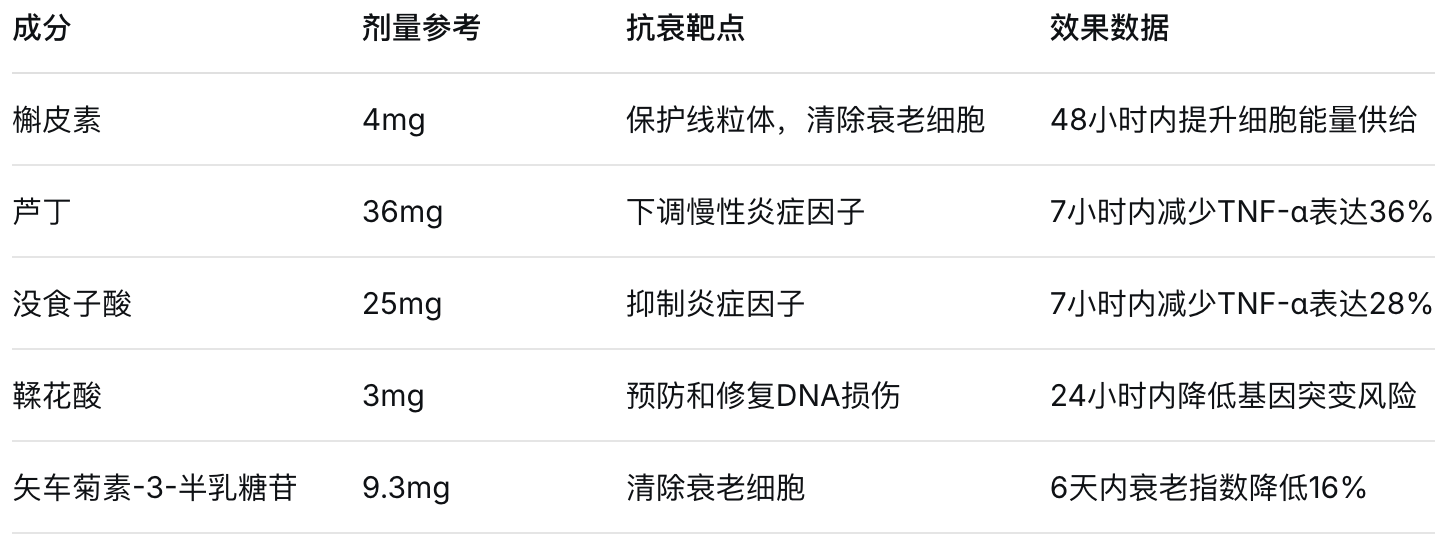
This combination is aptly named bATmm-5™, and it is the core formula of Nutrilite's Energy Source Vitality Drink.
How powerful is this combination?
Experimental data show that the five components work synergistically to reduce intracellular ROS (reactive oxygen species) by up to 52%, inhibit advanced glycation end products (CML) by up to 77.88%, and downregulate multiple inflammatory factors – effects that a single component cannot achieve.
Why can these five together "defy fate"?
Because they target the five parallel fronts of aging:
Mitochondria: the cell's power plant, and quercetin is responsible for keeping the power plant running.
Inflammation: Chronic inflammation is a "silent killer" of aging, and rutin and gallic acid are responsible for extinguishing the fire.
DNA damage: Gene mutations are the starting point of cancer, and ellagic acid is responsible for repairing the "blueprint".
Senescent cells: These "zombie cells" poison the surrounding healthy cells, and cyanidin-3-galactoside is responsible for cleaning up the waste.
A five-pronged approach is far more effective than going it alone.
🌙 Sleep Well Combo: GABA + Jujube Seed Saponin A + Jujube Seed Saponin B
Source: Tea/Fermented Foods + Jujube Seeds
This approach promotes sleep through a synergistic effect, combining both "neuroregulation" and "traditional calming" methods.
GABA: An inhibitory neurotransmitter in the brain that "brakes" the nervous system, allowing it to calm down quickly.
Jujube seed saponins: a classic calming ingredient in traditional Chinese medicine, acting on the HPA axis (hypothalamic-pituitary-adrenal axis) to regulate stress hormones and fundamentally improve sleep quality.
How strong is the scientific endorsement?
Studies have shown that jujube seed saponin extract can significantly increase GABA content. In a zebrafish experiment with sleep deprivation, the jujube seed extract treated with β-glucosidase showed an 86.54% improvement in sleep, while the untreated extract only showed a 44.64% improvement.
When combined, these two methods can help shorten the time it takes to fall asleep by more than 30%, reduce the number of times you wake up at night, and prolong the duration of deep sleep, according to research.
Why are these two considered "sleep aid duo"?
GABA acts as a "brake," quickly calming you down from an excited state, while jujube seed saponins act as a "repairman," repairing the HPA axis disrupted by stress. One addresses the symptoms, the other the root cause.
👁️ Eye Care and Brightening Combination: Lutein + Anthocyanins
From: Marigold + Blueberry/Black Goji Berry
These are the "best partners" in the world of eye care, each with its own specific role:
Lutein: Deposited in the macular region of the retina, it acts like a "natural pair of sunglasses" to filter blue light and prevent age-related macular degeneration (AMD). Studies have found that daily intake of 10-12 mg of lutein can reduce the risk of AMD by 41%.
Anthocyanins can clear reactive oxygen species in ciliary muscle cells, relieve eye fatigue, improve night vision, and promote the regeneration of rhodopsin in the retina. Recent studies have also found that anthocyanins have the potential to inhibit axial elongation.
Professor Tao Yong, an authority on ophthalmology, pointed out that the combined supplementation of lutein and anthocyanins has a significantly better effect on protecting the vision of people who use their eyes for long periods of time than a single ingredient. The two protect vision through two pathways: "filtering damage" and "repairing damage".
Why can't these two live without each other?
Lutein acts as a "shield," protecting you from harmful blue light, while anthocyanins act as a "repair team," helping to repair existing eye fatigue damage. Simply blocking without repairing means the problem persists, and simply repairing without blocking is a waste of effort.
🦴 Bone Strengthening Combination: Calcium + Vitamin D + Plant Flavonoids
Source: Dairy/Soy Products + Sun-Dried + Soy Isoflavones
Calcium: The basic building material for bones.
Vitamin D: Promotes the active absorption of calcium in the small intestine (without D, calcium supplementation is ineffective).
Plant flavonoids (such as soy isoflavones): inhibit osteoclast activity and reduce bone calcium loss.
Clinical studies have shown that for individuals with osteopenia, after 24 months of use of a combination of plant flavonoids such as Epimedium and Drynaria fortunei, lumbar spine bone mineral density increased by 3.7% and femoral bone mineral density increased by 3.4%.
The synergistic effect of these three ingredients in calcium absorption far surpasses that of calcium supplementation alone, making them especially suitable for middle-aged and elderly people and postmenopausal women.
❤️ Cardiovascular Protection Combo: Coenzyme Q10 + Alpha-lipoic Acid + Vitamin E
Sources: Animal offal/deep-sea fish + spinach/yeast + nuts/vegetable oil
Coenzyme Q10: A key coenzyme in mitochondrial energy metabolism, protecting the heart's "power plant".
Alpha-lipoic acid: a water- and oil-soluble "universal antioxidant" that regenerates other antioxidants (vitamins C/E, glutathione).
Vitamin E: Protects cell membrane lipids from oxidation.
These three elements work together to comprehensively protect the cardiovascular system's complete defenses.
V. From Cell to System: Comprehensive Protection of Phytonutrients
The magic of phytonutrients lies not only in their individual capabilities, but also in their ability to be combined like building blocks to create a systematic health plan.
Taking anti-aging as an example, scientists have designed a comprehensive anti-aging system covering "brainpower + skin + mobility":
Brainpower Anti-Aging: Jiyuan Xin Huo Drink (Cell Revitalization) + Ginkgo Biloba and Cistanche Tablets (Improve Memory)
Within 3 days, the proportion of senescent neurons can be reduced from 16.9% to 8.33%.
Synaptic length increased by 31.3%.
Memory quotient increased by 14.8%.
Skin anti-aging: Internal conditioning (Genius Vitality Drink) + External application (Artistry Time Capsules)
Inhibits reactive oxygen species by 68%
Reduces glycation products by 52%
Nasolabial folds reduced by 40.74% within 4 weeks.
Bone health and anti-aging: Jiyuan Xin Huo Drink (cellular foundation) + Jin Gu Dan (kidney tonifying and bone strengthening)
Inhibits osteoclast activity by 75%.
Enhance osteoblast signaling by 200%
This is the power of "systematization" - it's not about eating one thing to address one issue, but about starting at the cellular level, progressing layer by layer, and providing comprehensive protection.
6. Five colors every day, are you tired of eating them?
The Chinese Nutrition Society recommends that you consume at least five different colored fruits and vegetables every day to ensure you get a variety of plant nutrients.
But the reality is:
Modern food processing leads to the loss of a large number of active ingredients in many fruits and vegetables during transportation and storage.
Soil degradation has led to a 30%-50% decrease in crop nutrient content compared to 50 years ago;
High-temperature cooking (above 60°C) can deactivate most heat-sensitive plant nutrients.
You think you're eating an apple, but actually you're eating "apple-flavored fiber."
This is why, under professional guidance, taking appropriate phytonutrient supplements is becoming an increasingly popular choice.
In conclusion
The magic of phytonutrients lies not only in their "usefulness," but also in the stories behind them:
A Cistanche deserticola that tenaciously survives on the edge of the Xinjiang desert, a grape seed that has concentrated the sunshine in a French winery, an alfalfa flower that can only be harvested during the golden 10-day window, a white peony that must be picked when it is still in bud...
Every grain of essence is a piece of wisdom written by life in order to adapt to its environment.
It took humans decades to learn to decipher these codes, and technology has enabled us to bring these gifts of nature to the tables of every ordinary person.
This is not magic; it is a victory for science.
Behind this scientific victory lies a company that has been quietly working for 90 years. It owns more than four certified organic farms worldwide, controlling the entire process from soil to finished product. Its extraction technology has received Nobel Prize-level recognition, and its business has been included as a classic case study by Harvard Business School.
This system is the benchmark for global nutritional supplements – Nutrilite.
That's right, all the phytonutrients, the golden combination, and the precious ingredients I mentioned above, all come from this company.
If you are interested in these combinations of "phytonutrients" and want to know how to create a health plan for yourself from the cellular to the systemic level, feel free to message me privately.
Please add the note "phytonutrients" and I will send you the detailed formula and combination plan.
See you in private message. I'll be waiting for you in the background. WeChat: comioco.
Further Reading:
When the crypto market cooled down, I found a new way out.
Counterintuitive truths about health
Fan benefits
🌿 Nutrient Deficiency Self-Assessment Checklist
Your body
What nutrients are you lacking?
Find out what nutrients your body is lacking in 90 seconds!
12 professional questions
AI Personalized Reports
Completely free
Based on 12 professional questions, AI analyzes your eating habits, symptoms, and lifestyle to generate personalized nutritional supplement recommendations!
This self-assessment form can help you discover:
Do you have signs of vitamin B deficiency?
Does your liver need extra protection?
Is your immune system in a state of "debt"?
Which combinations of nutrients can work synergistically?
Personalized nutrition supplementation plan just for you
💡 Once completed, a "Personalized Nutrition Assessment Report" will be automatically generated, providing "Your Exclusive Nutritional Analysis." Adding our assistant on WeChat will also provide further improvement suggestions tailored to your specific situation!