
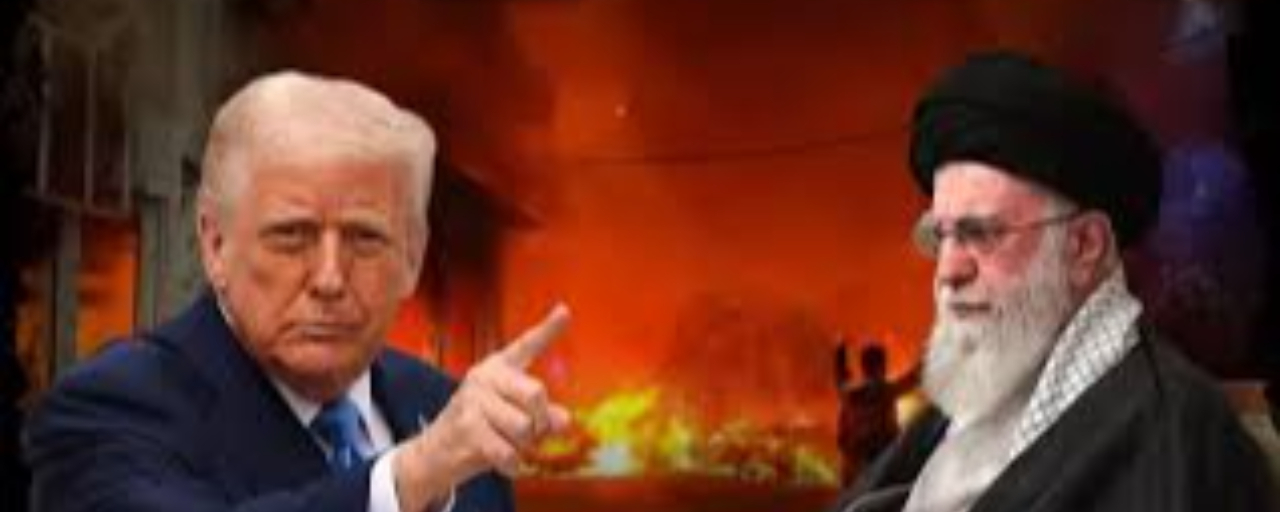

Trump mentioned the following:
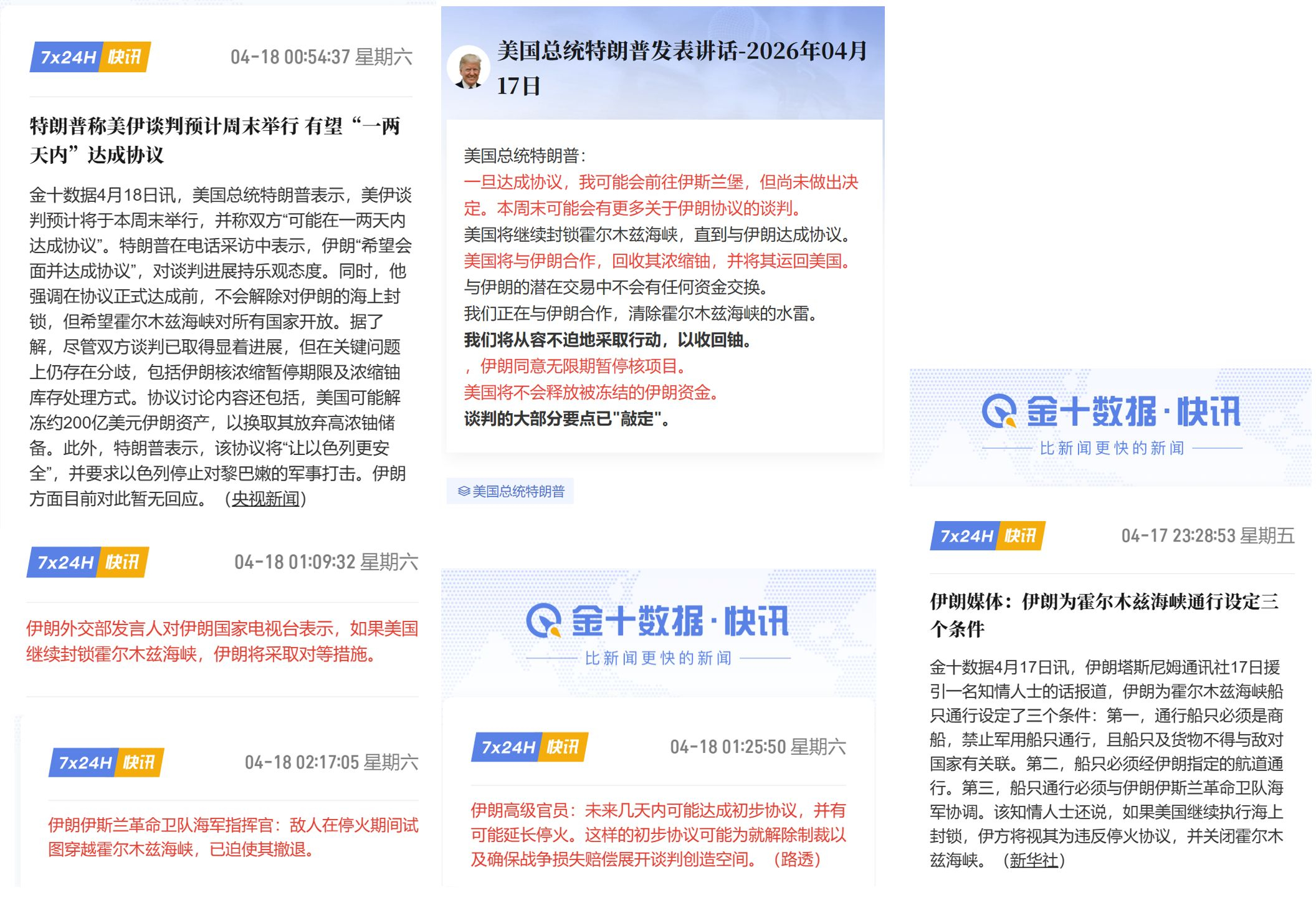
1. Recover Iran's enriched uranium;
2. First saying, "Before reaching an agreement, continue to block the strait," then stating, "Will not lift the naval blockade against Iran;"
3. There will be no financial exchange;
4. Clear the mines;
5. Iran agrees to an indefinite suspension of its nuclear program;
6. Initially stating, "The U.S. will not release Iran's frozen funds," then later saying, "Unfreeze 20 billion dollars in exchange for Iran giving up its enriched uranium reserves."
7. An agreement is expected to be reached in a day or two.
8. Requesting Israel to stop attacking Lebanon.
Iran mentioned the following:
1. Merchant ships can pass through the strait, but military vessels cannot;
2. Ships must follow the routes designated by Iran;
3. An agreement can be reached in the next few days;
4. The ceasefire period may be extended;
5. Striving to lift sanctions.
6. Striving for war reparations.
There are many contradictions in both sides' statements, but we can roughly gather useful information from them.
First, the good news is that both sides obviously have the desire to continue negotiations and reach an agreement, which greatly reduces the risk of war.
Second, another piece of good news is that both sides are looking forward to a quick agreement. Trump said an agreement is expected in a day or two, while Iran suggested in the next few days, likely because both sides are feeling a bit overwhelmed. However, the ceasefire period is likely to be extended, meaning that before the original two-week ceasefire agreement deadline of April 22, both sides are unlikely to reach an agreement. But discussions may continue next week, and it is unlikely to take as long as the six months previously mentioned by European officials, but it should also not be as short as the few days anticipated by both the U.S. and Iran. Oil prices are expected to generally be in a declining trend.
Third, regarding the issue of enriched uranium, Trump mentioned recovering Iran's enriched uranium, but there are disputes over timelines and storage methods. Iran has not mentioned this matter nor denied it, so it is highly probable that Iran will hand over most of its enriched uranium. The difference lies in the specifics of the timeline and handling.
Fourth, corresponding to the enriched uranium is the long-term financial sanctions and frozen assets of Iran. Iran mentioned lifting sanctions, and Trump did not mention it but also did not deny it. However, Trump mentioned unfreezing 20 billion dollars in exchange for Iran giving up enriched uranium. So it is speculated that Iran may give up enriched uranium in exchange for the unfreezing of some assets, and the so-called lifting of sanctions may just be the unfreezing of part of Iran's frozen assets.
Fifth, regarding the centrifuges Iran uses for enriching uranium, neither side has mentioned it. Both sides may not have tested each other's limits regarding centrifuges, so it was not brought up.
Sixth, regarding war reparations, Iran has the intention to negotiate, but Trump said there will be no financial exchange, referring specifically to war reparations. After all, the U.S. initiated military strikes under the pretext of Iran's nuclear materials, making it a justified intervention, and reparations are unlikely.
This might be similar to what Brother Bee analyzed earlier; Trump may not agree to lift financial sanctions, so both sides might discuss unfreezing assets.
Essentially, the agreement has been reached to unfreeze part of Iran's frozen assets in exchange for Iran handing over almost all enriched uranium. The specific timeline for halting uranium enrichment and the method of delivery will still need to be negotiated, but the differences should not be significant.
However, regarding centrifuges, both sides are still unsure. Thus, negotiations will still require time; Brother Bee estimates it could take as little as two weeks or as long as one or two months, or even longer.