
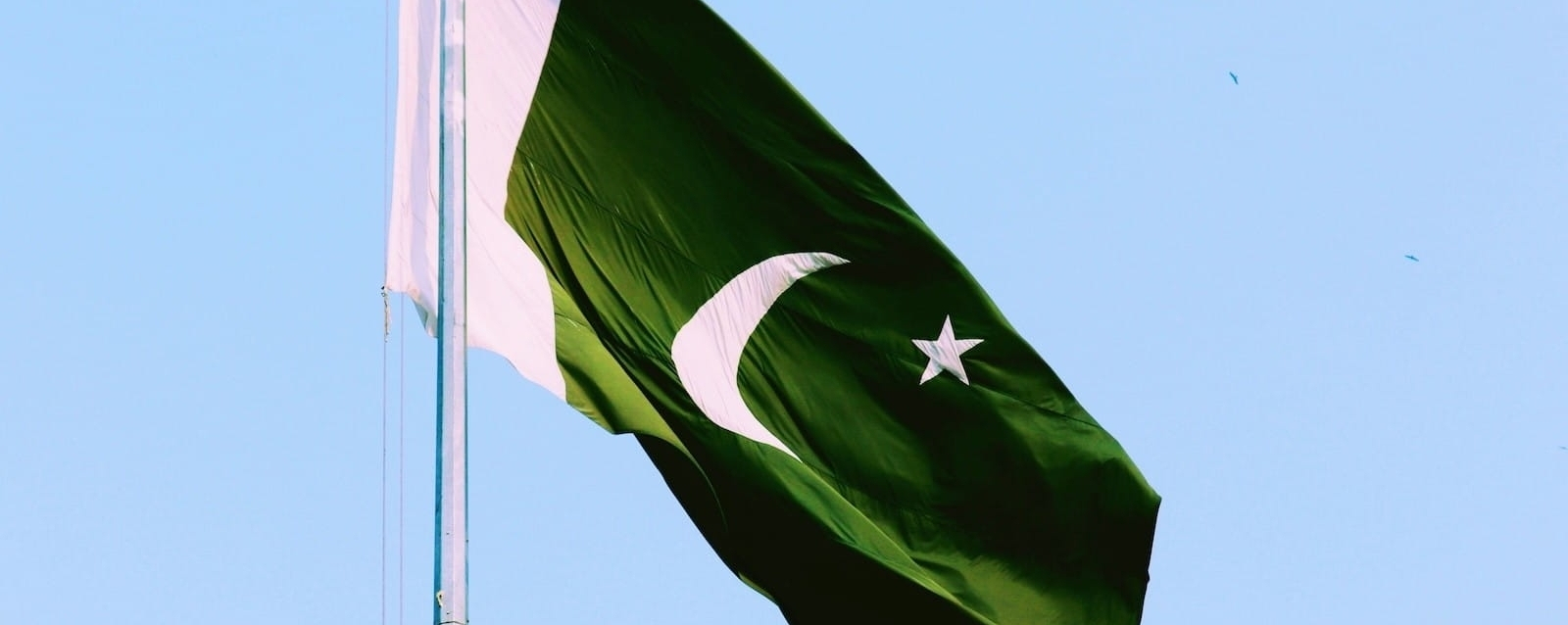
In a move that’s turning heads across global geopolitical circles, Pakistan has reportedly paused a $1.5 billion arms sale to Sudan — and the reason is just as significant as the decision itself.
According to Reuters, this halt comes after strong objections from Saudi Arabia. That alone tells you this isn’t just about a bilateral deal — it’s about influence, alliances, and shifting power dynamics in the region.
Let’s break it down:
Pakistan isn’t new to defense exports, and Sudan has long been a buyer. But when a key ally like Saudi Arabia steps in, the equation changes instantly. This signals how deeply interconnected political and military relationships have become, especially in sensitive regions like the Middle East and Africa.
What stands out here is the timing. With global tensions already elevated and strategic alliances being tested, decisions like this aren’t made lightly. Pakistan choosing to step back suggests that maintaining regional alignment — particularly with Saudi Arabia — outweighs short-term economic gains.
From a broader perspective, this also raises questions:
• Is Saudi Arabia tightening its influence over regional defense dynamics?
• How will Sudan respond to this sudden halt?
• And what does this mean for future arms agreements in politically sensitive zones?
One thing is clear — this isn’t just a canceled deal. It’s a signal.
A signal that geopolitics still drives the real game behind the scenes, where influence often matters more than transactions.
Stay sharp. The ripple effects of this decision are just getting started.
#StrategyBTCPurchase #WhatNextForUSIranConflict #BTC #BREAKING #DadaNews_crypto_