
The petrodollar system faces growing threats amid the military conflict in the Middle East. This global mechanism requires countries to use the American currency to purchase energy resources.
This structure creates a constant international demand for the dollar. Historically, it strengthens the dollar's status as the main global reserve currency.
Pressure on the system due to supply disruptions
The Wall Street Journal reports on new financial initiatives. The United Arab Emirates has begun discussions on creating a currency safety net with U.S. authorities. The conflict in the region poses serious risks to economic stability.
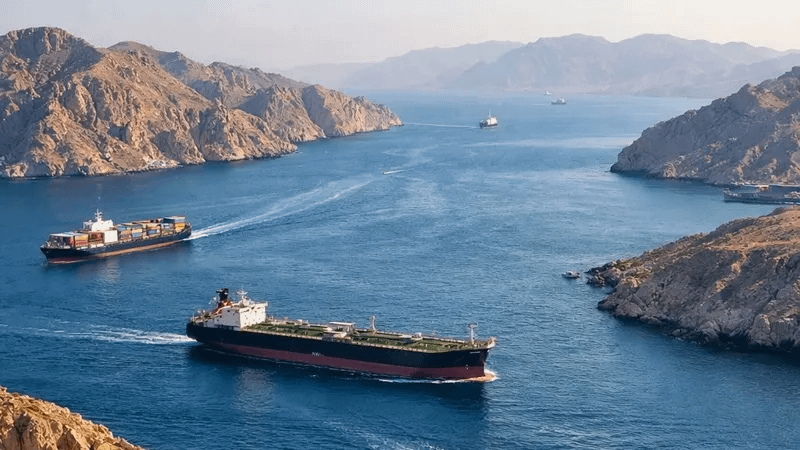
UAE officials have indicated potential problems. Central Bank Governor Khaled Mohamed Balama held meetings in Washington. He discussed the possibility of opening a currency swap line. Military actions have disrupted the country's energy infrastructure. They have limited oil exports through the Strait of Hormuz, leading to a decrease in dollar revenue inflow.
UAE authorities have yet to submit an official request. Officials called these discussions a precautionary measure. They also pointed out the negative consequences of the conflict for the region.
Journalists from The Wall Street Journal report a statement:
«Emirati officials informed their American counterparts that in the absence of dollars, the UAE might be forced to use the Chinese yuan or currencies of other countries for selling oil and other transactions. Such a scenario poses a hidden threat to the American dollar, which dominates among global currencies partly due to its almost exclusive use in oil transactions.»
Alternative payment methods are coming to the forefront
Simultaneously, new payment practices are emerging in the market. Data shows a shift in Iran's trading policy. At the beginning of April, the country began accepting payments for the transit of commercial vessels in yuan.
Al Jazeera reports the words of representatives from the relevant resource Lloyd’s List:
«Although it's unclear how many vessels have settled payments in yuan, as of March 25, at least two have done so.»
Iranian authorities have also announced plans to expand these measures to digital assets. They intend to implement fees for tanker transit in bitcoins. These steps are part of a broad strategy to bypass traditional financial channels.
These events indicate a growing structural threat to the established system. Pressure on this mechanism began even before the current crisis. Analysts at Deutsche Bank noted the impact of economic sanctions. These restrictions have led to the creation of parallel trading networks that actively use alternative currencies for transactions.
Risks of losing dominance for the American currency
Many experts express concerns about the stability of the dollar. Bridgewater founder Ray Dalio warned of potential consequences. Losing control over the Strait of Hormuz could sharply increase risks to the reserve status of the American currency.
Former Coinbase CTO Balaji Srinivasan expressed a similar view. He argues that geopolitical shifts will accelerate the conclusion of several financial eras. This includes the potential end of the petrodollar system.
Harvard economist Kenneth Rogoff offers specific forecasts. He expects the Chinese yuan to transform into a global reserve currency within the next five years. The expert points to the growing demand from investors for portfolio diversification.
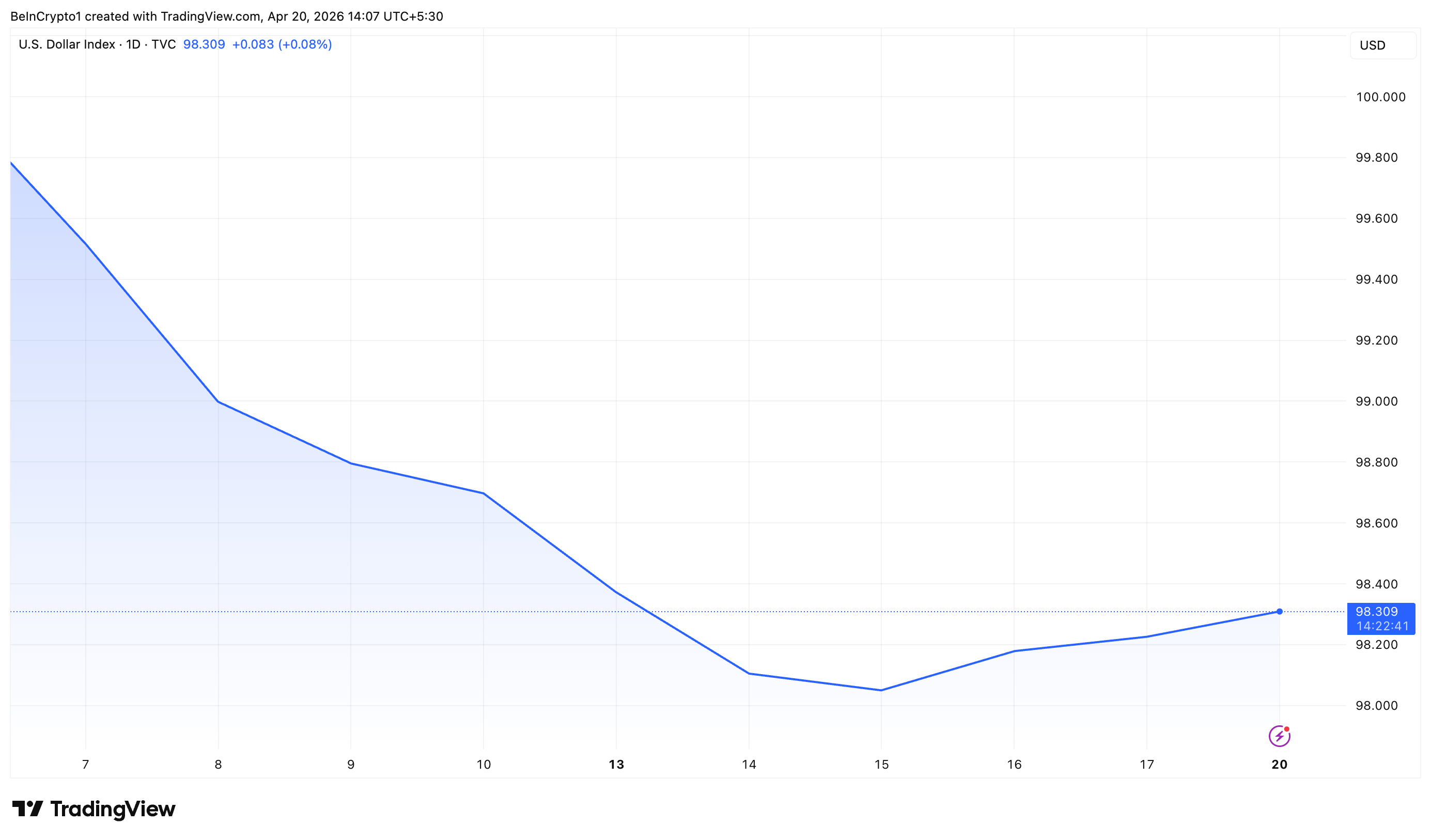
The short-term market dynamics continue to provide temporary support for the dollar. The U.S. dollar index fell nearly 2% in mid-April following news of diplomatic talks. Renewed tensions have driven oil prices back up. This temporarily revived the classic oil-dollar effect. Geopolitical conflicts still uphold the relevance of the traditional payment system, but deep structural changes cast doubt on its long-term prospects.
#AttacksOnTheTankerFleet , #WorldNews2026 , #MarketTurbulence
In our group, having monitored dozens of news websites and print publications, we strive to bring you only the most interesting news from the financial markets. Enjoy your viewing, and have a great mood! No advice or recommendations. All conclusions before making financial decisions will be made solely by each reader!