Recent developments in U.S. immigration policy under the U.S. Citizenship and Immigration Services (USCIS) signal a significant shift in how green card applications are evaluated. According to newly revealed internal guidance, applicants may now face heightened scrutiny not only for legal or security concerns but also for their political views and public expressions.
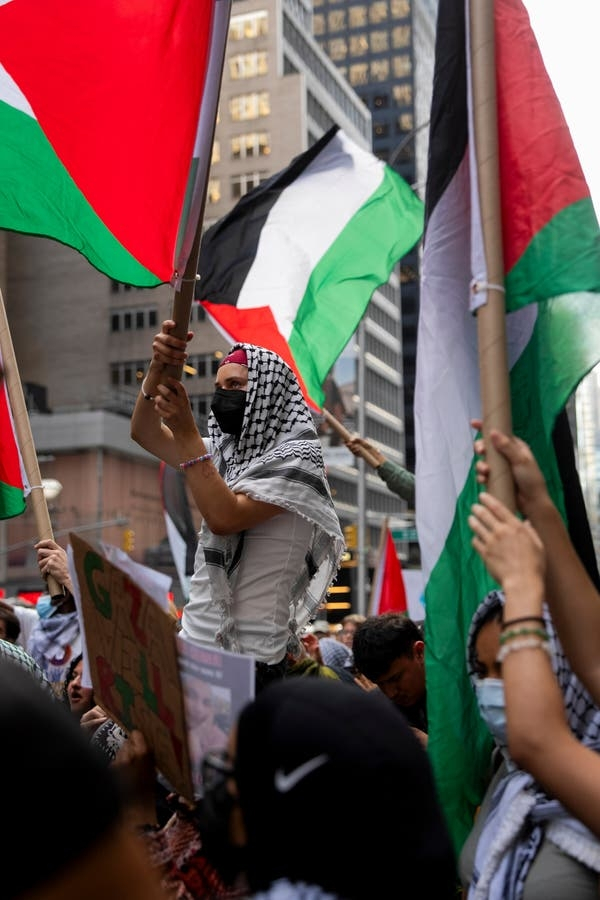
The updated framework, introduced under the administration of Donald Trump, directs immigration officers to consider certain forms of speech and activism as “overwhelmingly negative” factors. These include participation in pro-Palestinian protests, criticism of Israel on social media, and other expressions deemed “anti-American” or linked to antisemitic ideologies. Cases involving such concerns are subject to escalation for further legal review within the agency.
Officials argue that these measures are necessary to safeguard national security and uphold American values. A spokesperson emphasized that individuals expressing hostility toward the United States or supporting extremist ideologies should not be granted permanent residency.
However, critics have raised concerns about the broader implications for free speech and civil liberties. Former officials and policy experts argue that conflating political dissent with security threats risks undermining foundational democratic principles. They caution that expanding ideological screening could blur the line between legitimate expression and disqualifying conduct, particularly in a country historically rooted in freedom of speech.
The policy also reflects a broader transformation within USCIS, which has increasingly aligned with enforcement-focused objectives. Reports indicate a decline in green card approvals in recent months, alongside expanded efforts to review applicants’ social media activity and political affiliations.
This shift underscores a growing debate over the balance between national security and individual freedoms in immigration policy. As implementation continues, the long-term impact on applicants, legal standards, and the perception of the U.S. as a destination for global talent remains to be seen.
#ImmigrationPolicy #USPolitics #GreenCard #FreeSpeech #GlobalAffairs