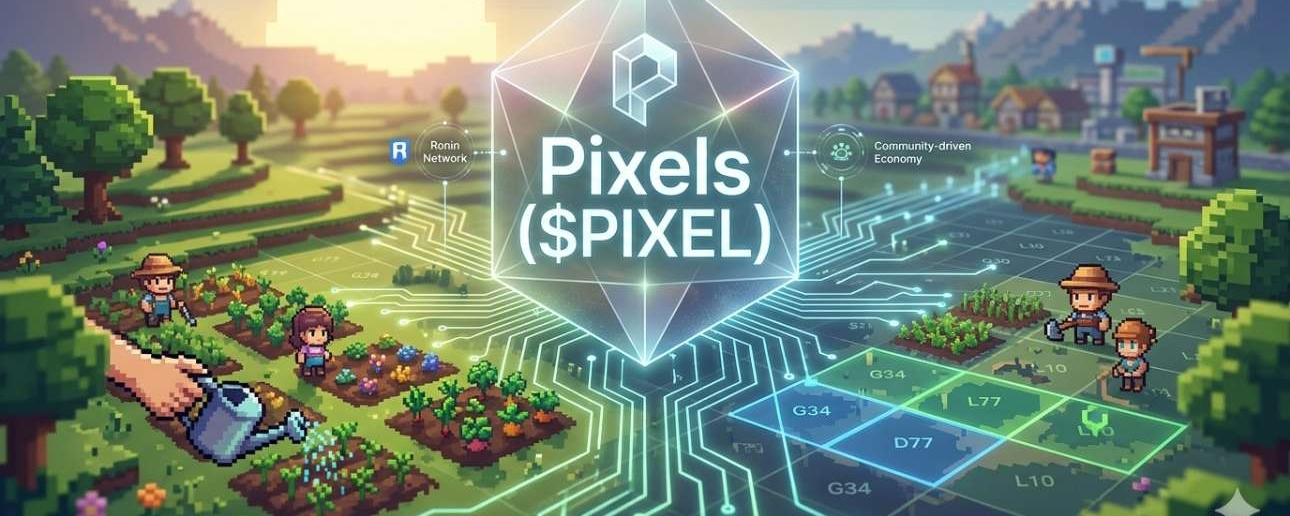
There is a specific kind of silence that comes with watering virtual berries at 2:00 AM. It’s not the frantic, adrenaline-fueled silence of a shooter, nor the spreadsheet-heavy stress of a hardcore trading sim. It’s the quiet of an allotment. I realized recently that Pixels $PIXEL has stumbled upon the holy grail of digital engagement: it has made labor feel like a hobby again. In a world where most Web3 games feel like second jobs you’re trying to quit, Pixels feels like a digital backyard where you actually want to hang out.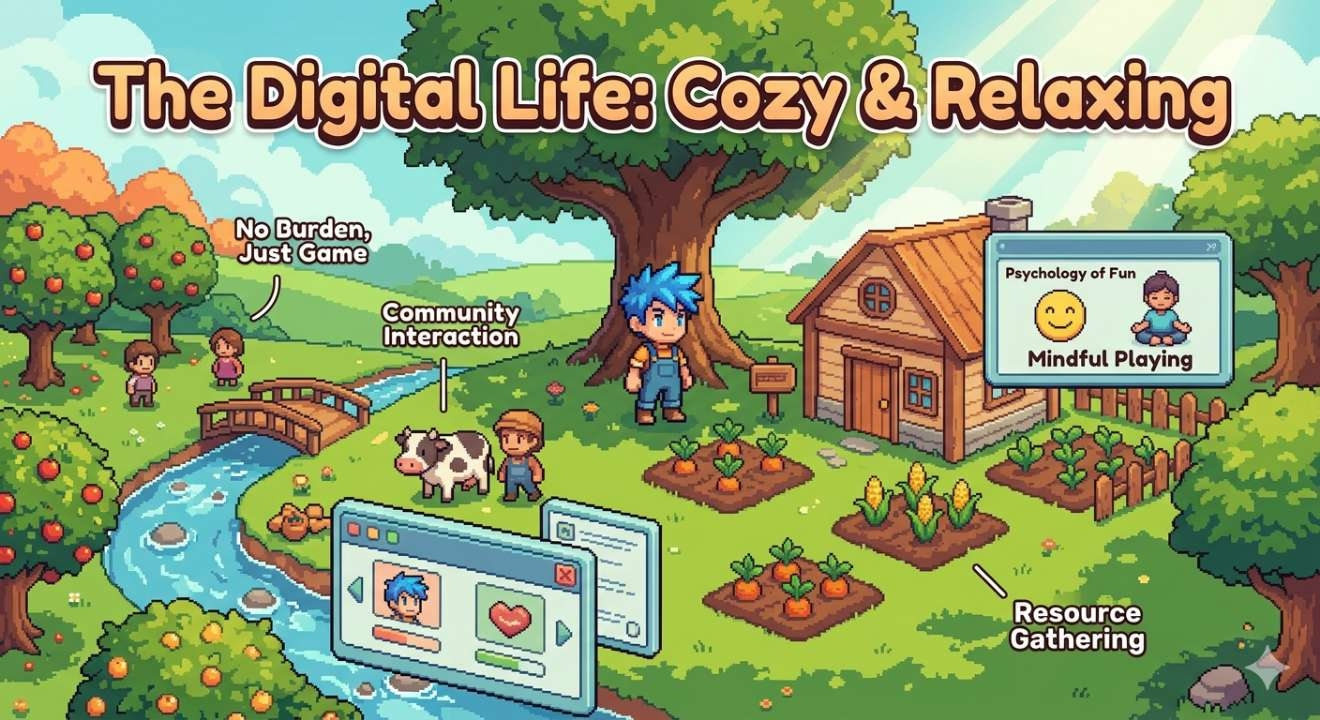
The Psychology of the Low-Intensity Loop
Most "Metaverses" failed because they tried to be everything at once. They were too loud, too empty, and too expensive. Pixels took the opposite route. By embracing a pixelated, low-fidelity aesthetic, it stripped away the pretension. The magic isn't in the graphics; it's in the habit-forming rhythm. There’s a certain quiet frontier vibe here. You aren't grinding for a boss; you’re tending to a digital life. This subtle hook the transition from "I'm playing a game" to "I'm checking on my farm"—is what creates a permanent player base rather than a temporary wave of speculators.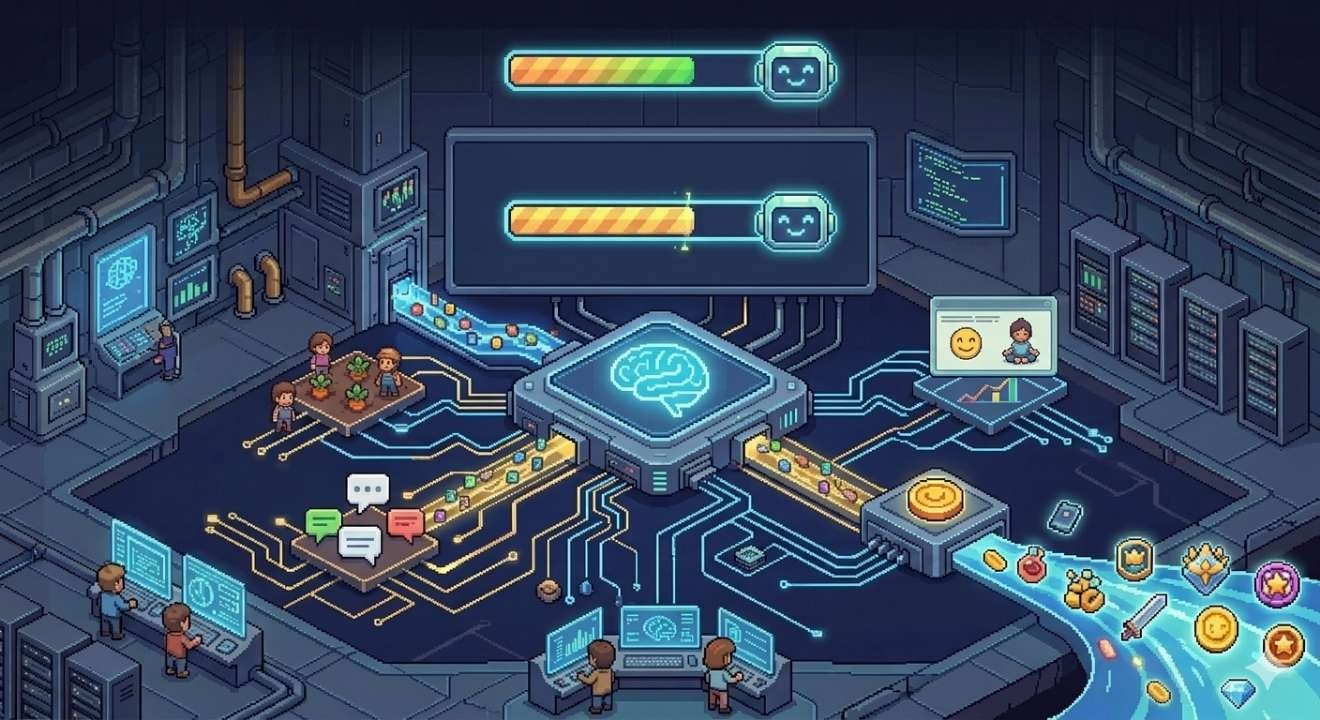
The Death of Value Extraction and the Rise of Stacked
For years, Web3 gaming was a race to the bottom. Players would enter, extract as much value as possible through blind farming, and leave the economy in ruins. This is where the Stacked infrastructure changes the conversation. Instead of rewarding the mere act of clicking, the system is evolving to reward retention and useful activity.
It’s a shift from quantity to quality. The game’s backend is increasingly designed to identify who is actually participating in the ecosystem and who is just a bot sucking the marrow out of the rewards. By prioritizing the "useful player," Pixels is solving the core problem that killed its predecessors: it is building a wall against predatory extraction.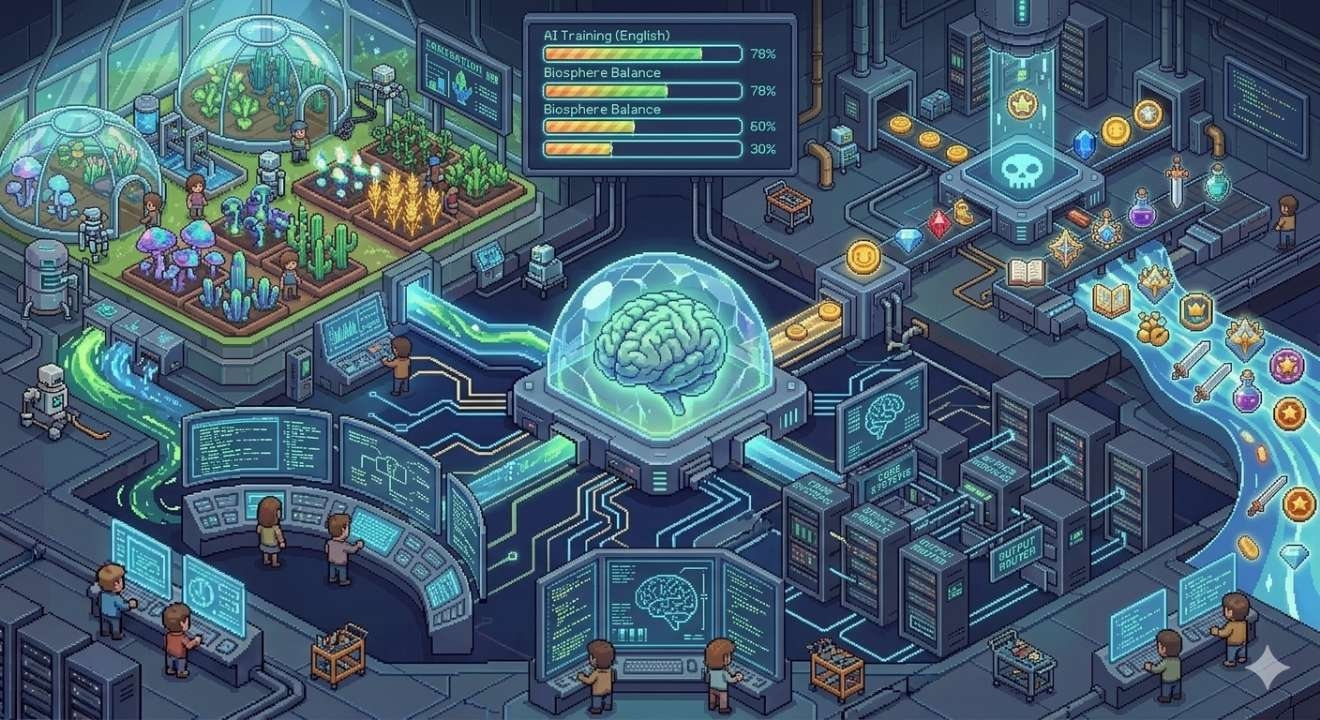
$PIXEL: Honest Wiring in a World of Predatory Models
When you look at the traditional gaming giants—the EAs and Fortnites of the world the currency is a one-way street. You give them your money, and in return, you get a skin that you don't really own and can never sell. It’s a predatory, closed-loop system.
The $PIXEL token feels different because it acts as the honest wiring of the game. On the Ronin Network, the friction is gone. The token isn't just a speculative ticker on a chart; it’s the fluid that keeps the machines running, the VIP gates open, and the guilds growing. Because it lives on a blockchain specifically tuned for gaming (Ronin), the average player doesn't have to worry about the "technical debt" or insane gas fees that crippled Ethereum-based projects. It’s digital infrastructure that actually works for the person playing in their bedroom, not just the whale in a boardroom.
The Reality Check: Blueprint or Bubble?
Is this the blueprint for the next decade? It feels like the closest thing we have. However, the risks are real. Inflation and player fatigue are the twin ghosts that haunt every virtual economy. If the rewards ever outpace the fun, the house of cards could wobble.
But for now, there is an undeniable honesty in the current model. Pixels isn't promising you a private island and a Ferrari; it’s promising you a plot of land and a community that actually shows up. In the cynical landscape of modern gaming, that might be the most revolutionary thing about it—even if I’m not supposed to use that word.