
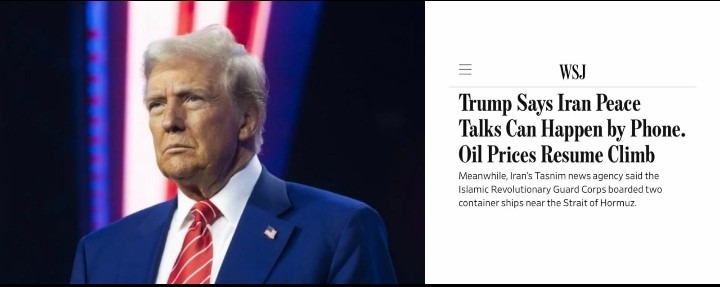
In a surprising development, Donald Trump has indicated that the United States will not send envoys to Pakistan for upcoming Iran-related peace discussions. According to The Wall Street Journal, the former president suggested that negotiations could instead take place remotely via phone calls.
📉 A New Diplomatic Strategy?
This move points toward a potential shift in U.S. foreign policy tactics, where traditional face-to-face diplomacy may be replaced — at least partially — by remote negotiations. While virtual diplomacy isn’t new, using it for high-stakes geopolitical discussions like Iran peace talks could signal:
Faster communication channels
Reduced logistical and security costs
Greater flexibility in negotiations
However, critics argue that physical presence often plays a key role in building trust during sensitive diplomatic talks.
🌍 What This Means for Pakistan & Iran
Pakistan has often served as a strategic location for regional dialogue, especially in matters involving Iran and U.S. relations. By skipping in-person talks in Pakistan, the U.S. may be:
Avoiding regional complexities
Testing new diplomatic frameworks
Keeping negotiations more controlled and private
Meanwhile, Iran’s position remains unclear, and no official confirmation of peace talks has been finalized yet.
⚠️ Uncertainty Still Looms
Despite the headlines, it’s important to note:
❌ No peace deal has been confirmed
❌ No official negotiation timeline announced
❌ Iran’s response is still pending
This means the situation is still developing and highly uncertain.
#Trump akistan #BreakingNews #Geopolitics #USPolitics


