
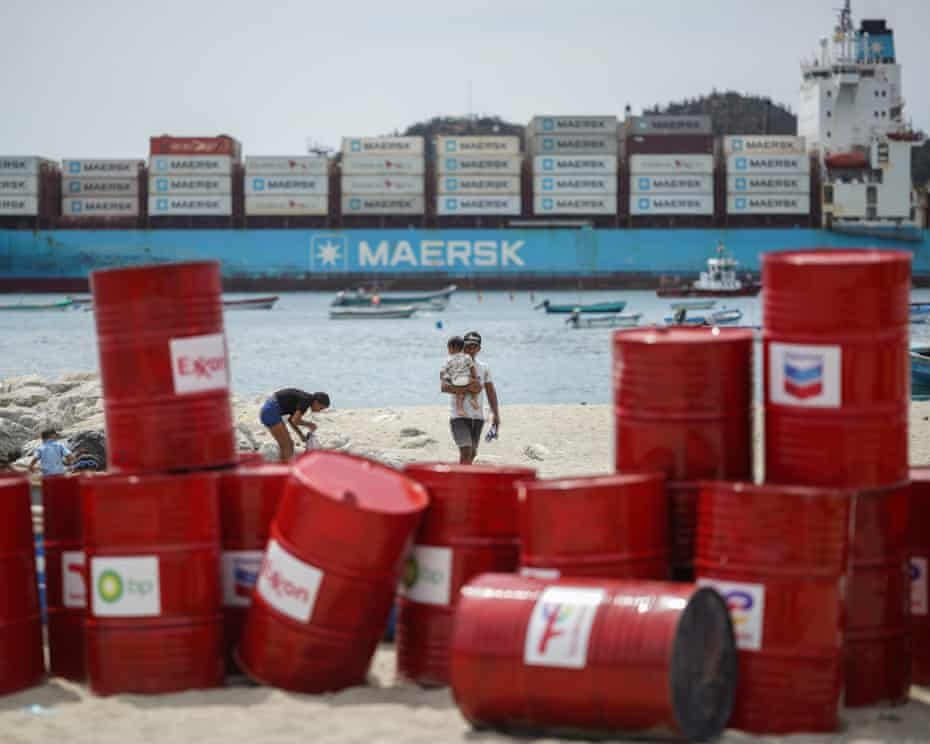
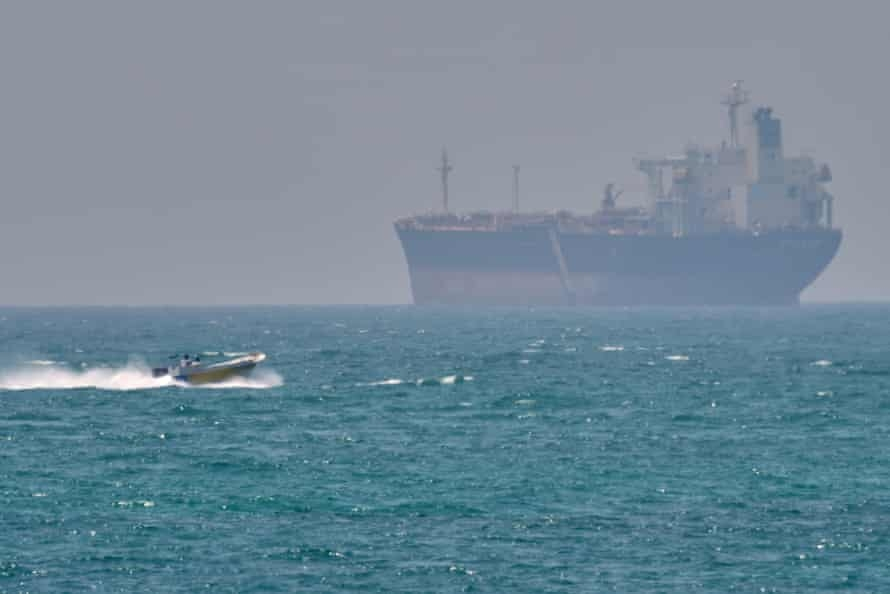
The ongoing tensions in the Middle East are driving a significant surge in global energy costs, with new analysis suggesting the crisis could impose up to $1 trillion in economic strain worldwide. Disruptions linked to the Strait of Hormuz—a critical artery for global oil supply—are amplifying volatility across energy markets and increasing financial pressure on households, businesses, and governments.
While the broader global economy faces rising inflation, higher food and transport costs, and slower growth, major oil companies are experiencing a sharp increase in profits. Firms such as BP have already reported significantly stronger earnings, reflecting the imbalance between corporate gains and public economic burden.
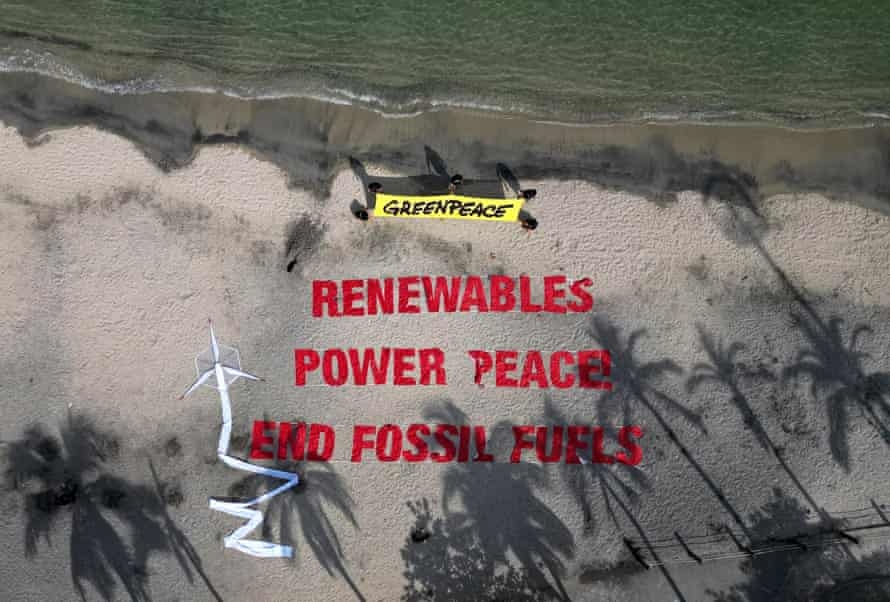
Climate advocacy groups, including 350.org, are calling for urgent policy responses, including windfall taxes on excess profits. These measures, they argue, could support vulnerable populations and accelerate investment in renewable energy alternatives.

The issue has also taken center stage at international discussions in Santa Marta, where governments and civil society leaders are exploring pathways to reduce dependence on fossil fuels. Many developing nations, particularly across Africa and island states, warn that prolonged high energy prices could deepen poverty, trigger social unrest, and strain already fragile economies.

Long-term concerns are equally pressing. Despite growing climate commitments, global subsidies for fossil fuels remain substantial, raising questions about policy alignment with sustainability goals. Leaders like Mary Robinson have emphasized the need for systemic change, noting that the economic and environmental costs of fossil fuel reliance are disproportionately borne by the most vulnerable populations.
As the crisis unfolds, it is increasingly clear that energy security, economic stability, and climate transition are deeply interconnected—and will require coordinated global action to address effectively.
#EnergyCrisis #GlobalEconomy #OilPrices #ClimateAction #Sustainability