
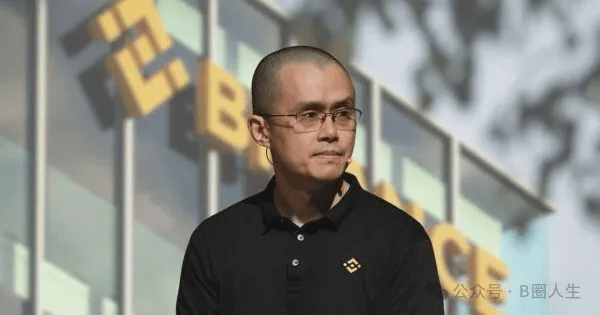
In a teaching family in Lianyungang, Jiangsu, Zhao Changpeng was born in 1977.
No one expected that this man, later known as 'CZ', would be hailed as 'the richest prisoner in history.'
Stirring the waters of global wealth, he ultimately ends his legendary tale absurdly in prison, but the story begins with............
Chapter One: From the gas station to Wall Street, a naturally 'unruly' techie.
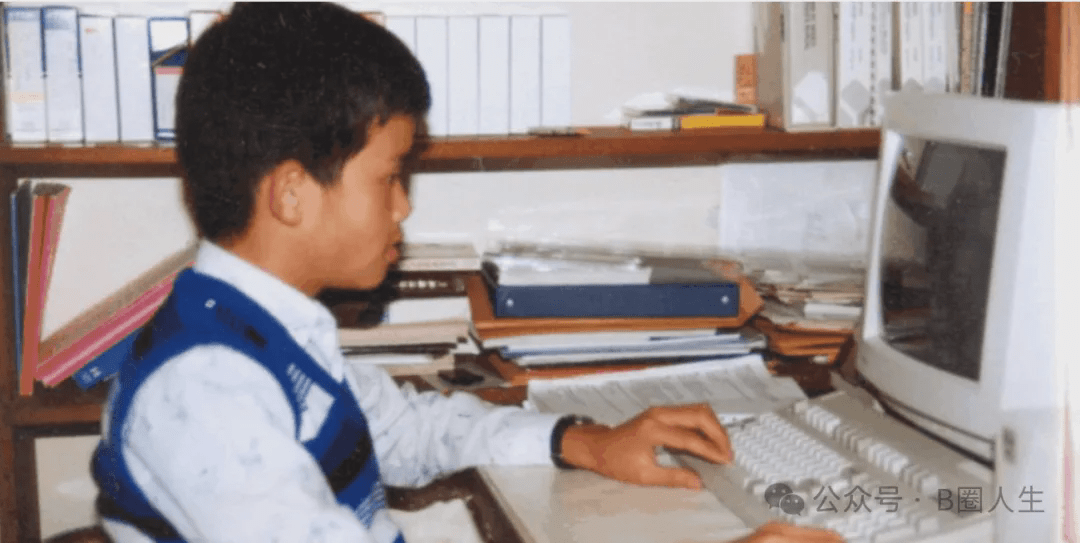
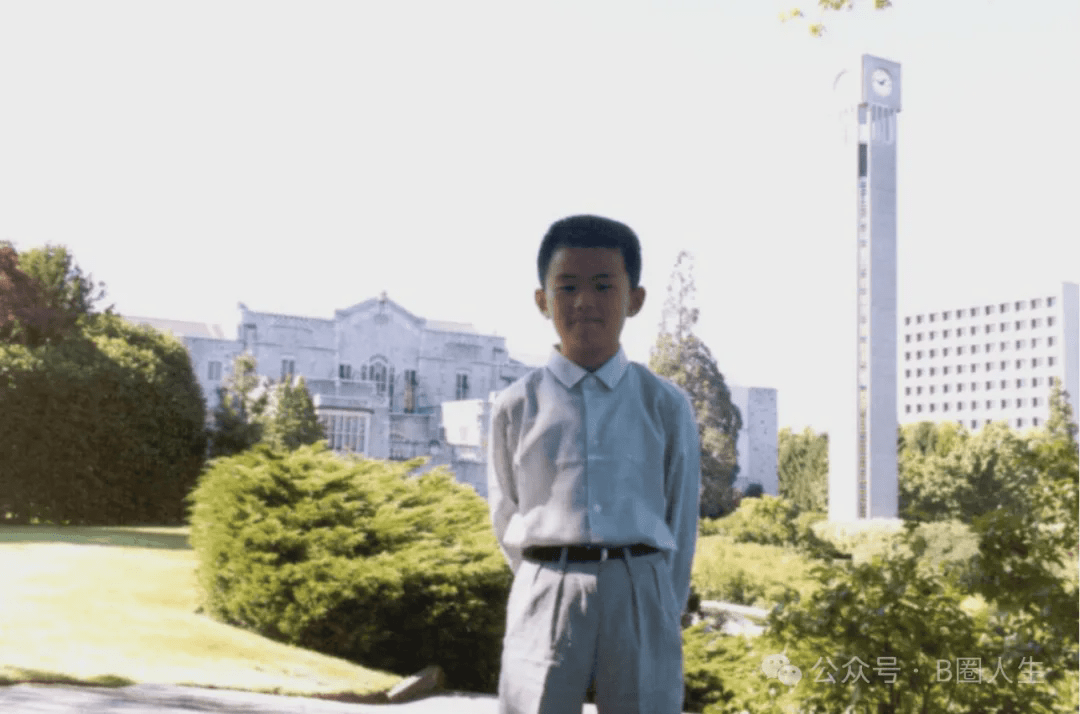
Imagine 12-year-old Zhao Changpeng moving with his family from China to Vancouver, Canada.
Without a rich family background, he could only work at a gas station, watching his classmates drive luxury cars while he drove his dad's old car. But this kid harbored a strong determination; he didn't care about appearances, only about mastering technology.
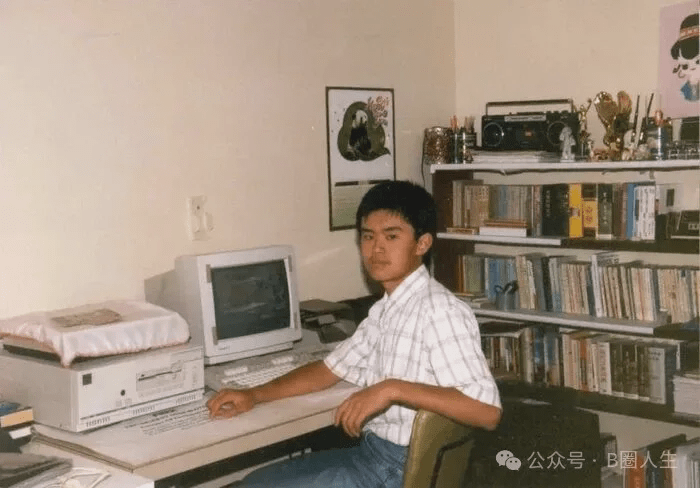
The computer science department at McGill University became his playground, and by the age of 27, he had become the “big shot” in Bloomberg's three major battlefields in New York, London, and Tokyo, with a salary that made his friends envious.
Logically, reaching the end of this path would mean joining the Wall Street elite, dressed in suits, living without worries for a lifetime. But Zhao Changpeng happens to be a “disobedient” person.
He resigned and returned to China, starting a business in Shanghai, creating a high-frequency trading system for brokerage firms.
This job is a proper “first-generation financial technology migrant worker,” writing code, fixing bugs, living a nine-to-five life. If he had been obedient, he might have just been a successful invisible rich man.
But fate often gives the “disobedient” a chance when least expected. In 2013, a card game changed everything.
At the card table, a big shot patted his shoulder and said: “Xiao Zhao, put 10% of your net worth all in Bitcoin.”
“Bitcoin?” Zhao Changpeng heard about this thing for the first time.
“Right,” the big shot said, “this thing can change the world in the future. Even if it goes to zero, you only lose 10%, but what if it succeeds?”

Zhao Changpeng was intrigued. He began studying the white paper written by the mysterious person known as “Satoshi Nakamoto.”
Soon, he was completely captivated by this idea of “decentralization,” not needing banks, where he could decide for himself.
Chapter Two: The Most Insane Investment in History and the Breakup of the “Three-Horse Carriage”
In 2014, Zhao Changpeng did something that left everyone dumbfounded—he sold his house in Shanghai and exchanged it for Bitcoin!
At that time, Bitcoin was just a thing in the geek circle, with wild price fluctuations. Friends thought he was crazy.
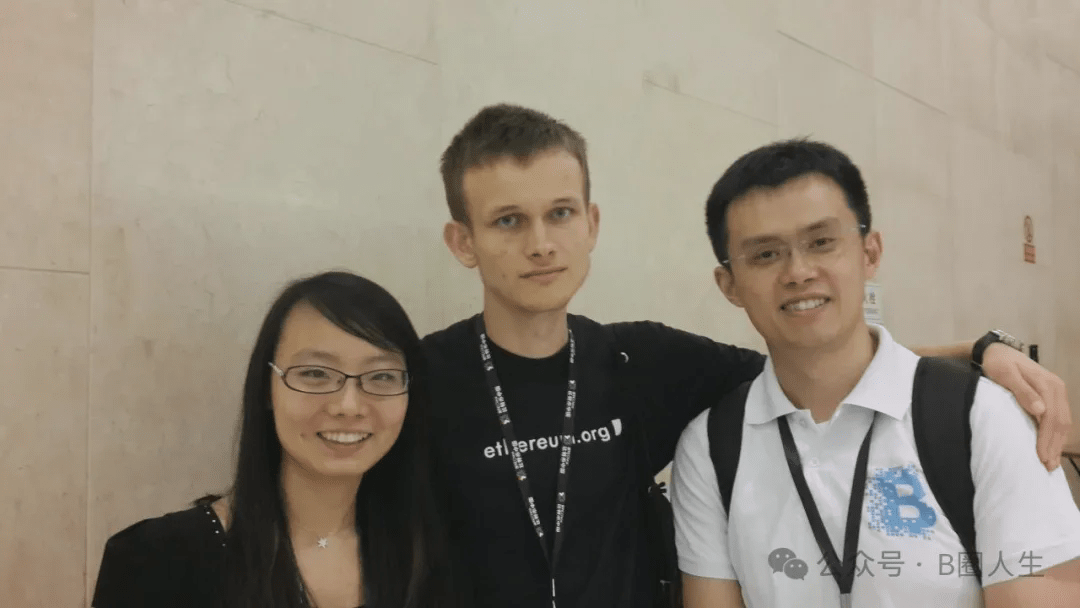
As a result, six months later, housing prices doubled, while Bitcoin prices fell by two-thirds.
Zhao Changpeng looked at the shrinking assets in his account, without a trace of panic; instead, it strengthened his belief: “This thing is all about the thrill!”
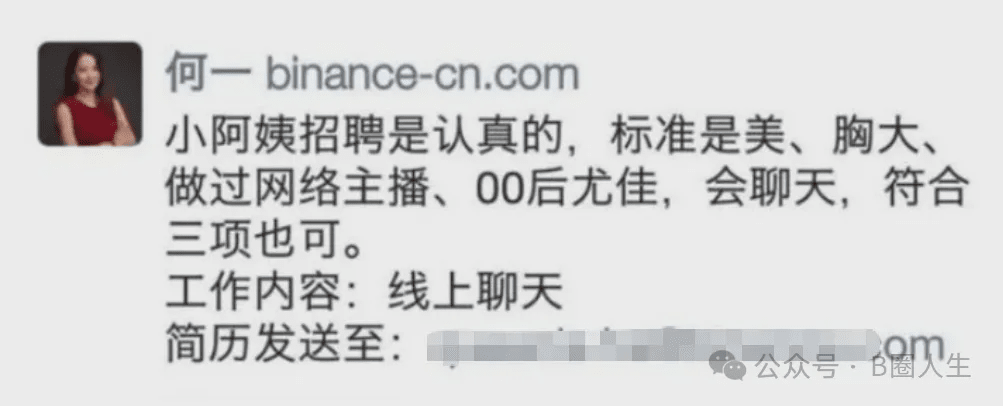
Even crazier, he met the “queen of the crypto world” He Yi at OKCoin, and together with founder Xu Mingxing, they formed the powerful “three-horse carriage.”

But the good times didn’t last long; the trio’s “entrepreneurial team” soon fell apart due to cultural and value conflicts.
In a fit of anger, Zhao Changpeng went on social media to expose Xu Mingxing's “dirt” one by one, and Xu Mingxing was not to be outdone, leading to an annual “screaming match” in the crypto circle.

After leaving OKCoin, Zhao Changpeng initially intended to take a break and create a trading system for stamps and coins. But the seed of Bitcoin had long taken root in his heart.

He realized that instead of making others rich, it was better to start his own exchange.
Chapter Three: An Exchange Without a Headquarters, Employees Scattered Globally
In 2017, Binance was born. Zhao Changpeng gave it a powerful slogan: Exchange the World (Binance: Exchange the World).
This name sounds impressive, but when implemented, it became a “world-class problem.” The issue lies in that decisive word—“decentralized.”

“What we are doing is not a traditional exchange,” Zhao Changpeng said, standing in front of the whiteboard, addressing a bewildered startup team, “We are doing something different! Since the name has ‘decentralized’ in it, our company structure must also be decentralized!”
Thus, Binance became the most unique company in the world:
No physical headquarters, like a group of nomads;
Employees working from home, scattered across more than 100 countries and regions;
The office is a chat app called “Telegram.”
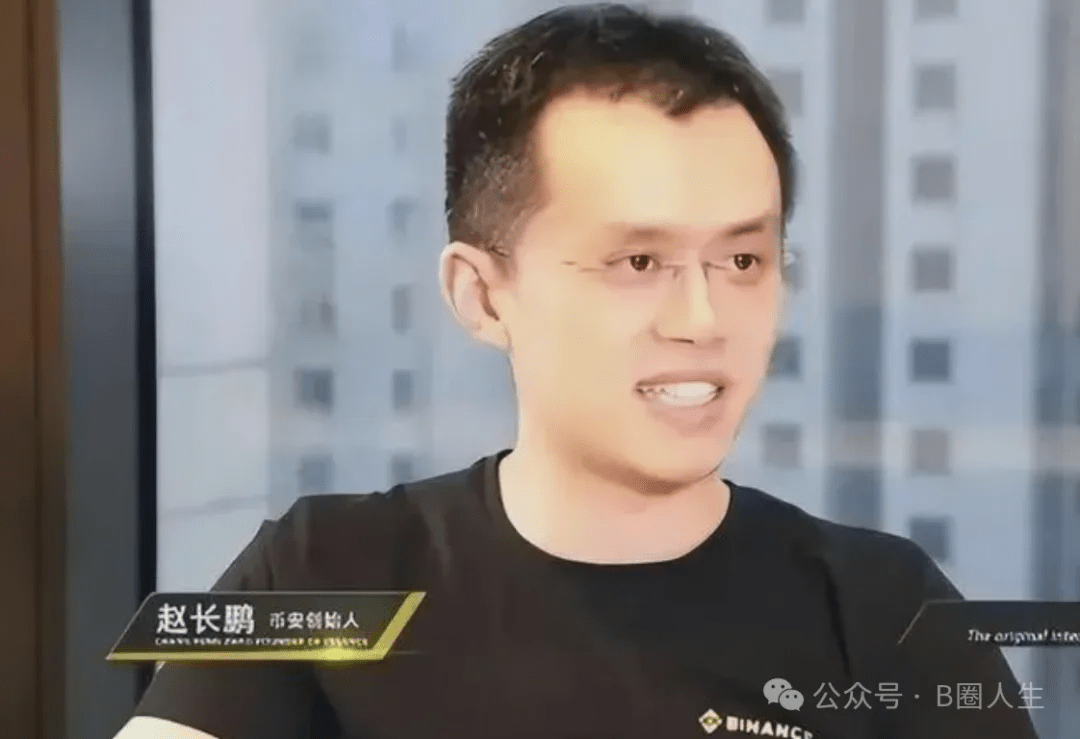
Imagine that scene: a customer service representative named “Alice” might be sunbathing on a beach in Spain, while a tech guru named “Bob” might be coding in an internet cafe on a small island in Southeast Asia, and founder CZ could be drinking coffee in Tokyo today and perhaps watching the sunset in Istanbul tomorrow.
Major decisions of the company were not made by pounding tables in the conference room, but by everyone frantically voting in the Telegram group.
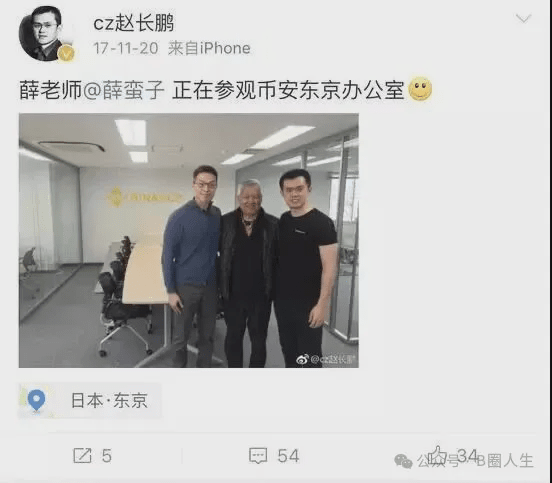
This model of “borderless, bossless” was hailed as a “utopian” ideal in the geek circle. It allowed Binance to grow rapidly at lightning speed. On the first day Binance went live, the server crashed due to the overwhelming number of users.
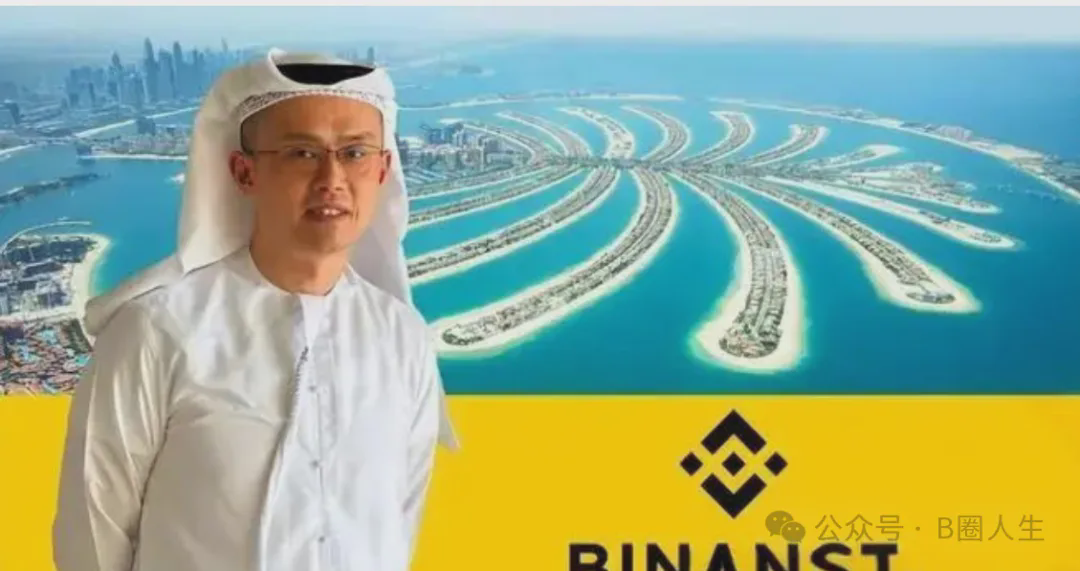
Zhao Changpeng decisively stated in the Telegram group: “If a tech whiz can fix this, I’ll give you shares in Binance!”
A few days later, a Ukrainian hacker really helped them sort it out.
Zhao Changpeng kept his word and really gave out shares. Binance, in this way, quickly gathered the world's top talents using the most open and unconventional approach, and within a few months, toppled all the old exchanges to claim the throne of the world's number one.
Chapter Four: The Last Stop of the “Columbus of the Crypto World”: America
The “Columbus of the Crypto World” CZ built his “ship” (Binance), conquered the vast ocean (global market), and now, he set his sights on the legendary New World filled with gold.
But for Binance, this “New World” of America is more like a “minefield” full of traps. The Americans' favorite tactics—strict KYC (real-name authentication), anti-money laundering, and applying for various licenses—seemed to CZ like “inhumane” shackles. He believed in code and freedom, not government lawyers.
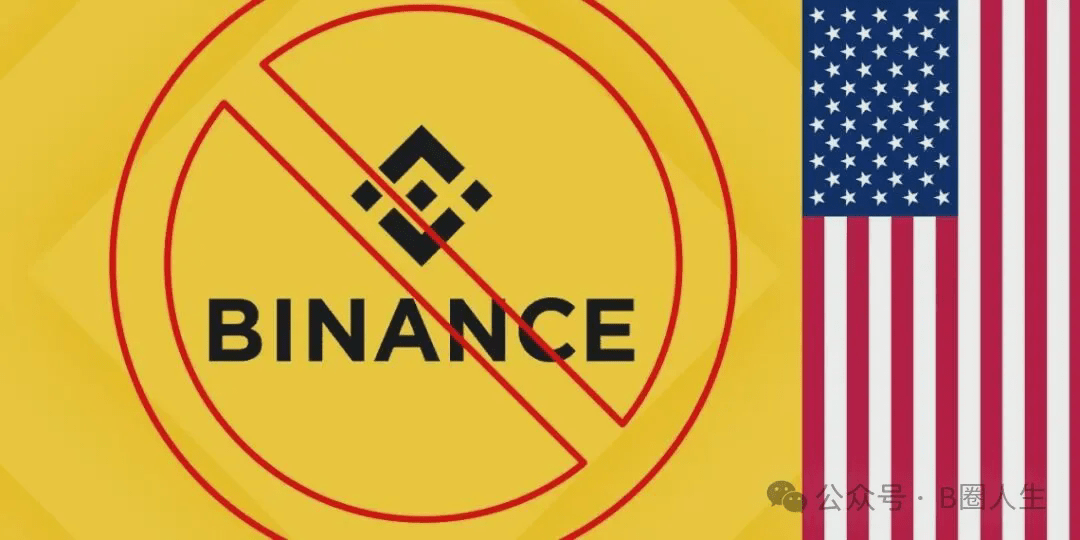
Thus, a cat-and-mouse game lasting several years began.
Binance's strategy was simple and brutal: first send a small team to establish a legitimate “shell” company in a relatively friendly place like Wyoming, presenting a facade of “we are well-behaved and willing to comply.”
Then, Binance's “wild troops” continued to conquer globally, with the main battlefield still being the unregulated “Binance International” website.

Zhao Changpeng took the art of “Tai Chi” to the extreme. Faced with questions from U.S. congressmen and the media, he sometimes claimed that Binance International had moved out of Bermuda, and other times said he had completely relinquished control of Binance International.
He had memorized the defense of “We tried to comply, but the responsibility is not mine” perfectly.
He played this game for four years. Binance's scale reached a terrifying $300 billion, and his personal wealth once soared to the throne of the world's richest.
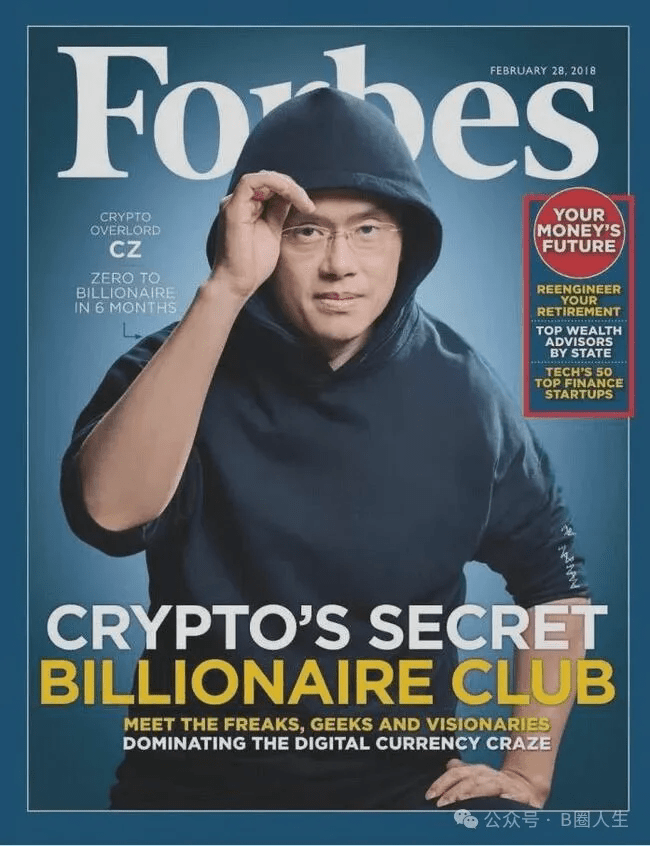
But everyone knew in their hearts that the crown on his head was not stable. Just like he himself joked in the Telegram group: “If we issue 900 billion coins at one dollar each, wouldn’t that make a valuation of 900 billion?” This self-deprecation captured the absurdity of his wealth.
Chapter Five: All Costs Must Be Paid
In 2024, the cat-and-mouse game finally came to an end.
The U.S. Department of Justice and the Securities and Exchange Commission revealed their cards; they no longer believed Zhao Changpeng's “Tai Chi.” They used nearly two years of investigation results to issue him an ultimatum: either pay a sky-high fine or let your company completely disappear in the U.S.

Standing at the crossroads of life, CZ, the gambler, made the most complicated “All in” of his life. He did not choose to resist to the end but instead pleaded guilty.
He agreed to pay the U.S. government $4.3 billion—one of the largest fines ever borne by a company, enough to buy a small army of a country.
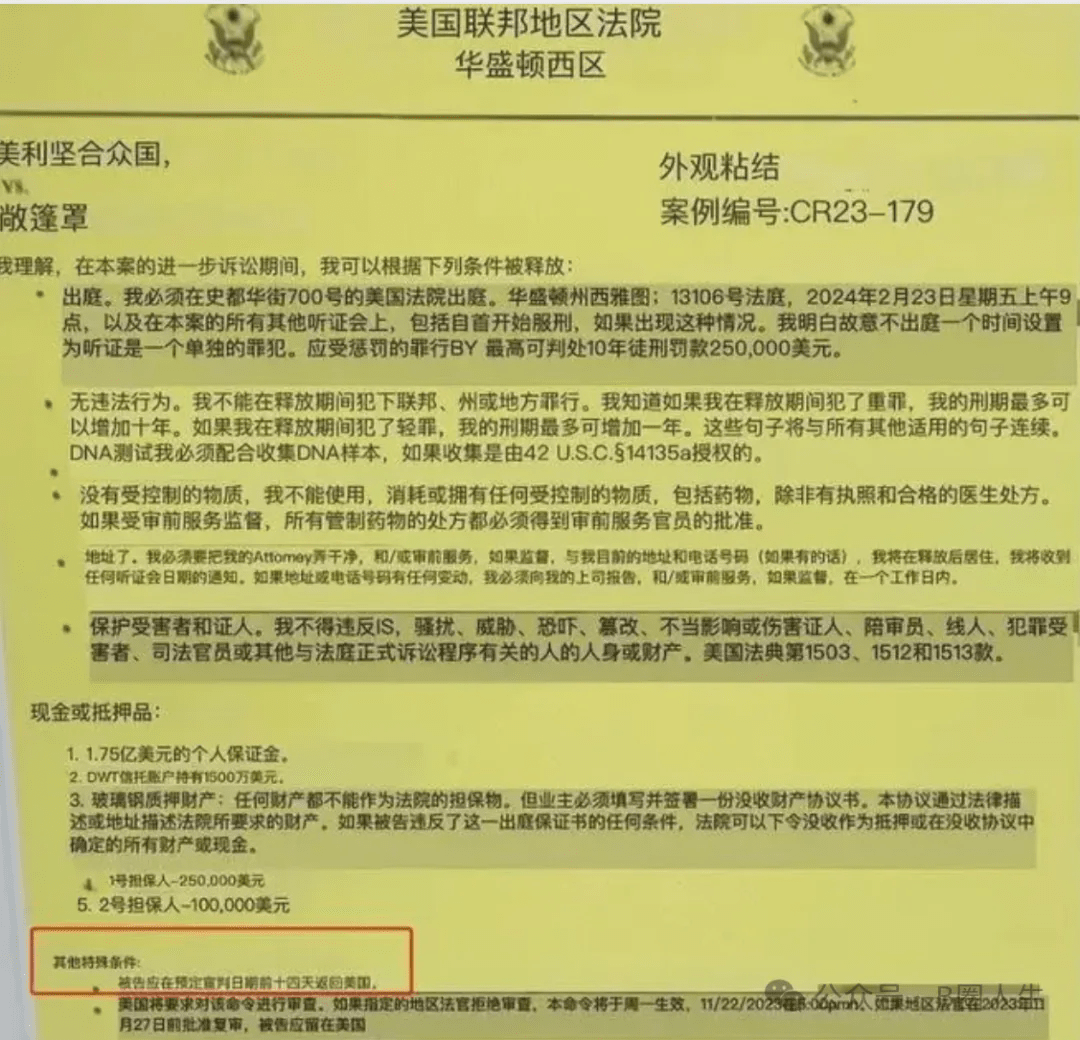
In exchange, he only needed to spend four months in a minimum security prison in Seattle.
Once the news broke, Binance's coin price rose instead of falling. The market voted with real money: they would rather have a “surviving” Binance than a “fallen” billionaire.
The man who worked at a gas station, rose from Wall Street elite, and stirred up a storm in the crypto world ultimately paid the price for his adventurous career as a prisoner.

The wealth “castle in the air” he built with his own hands, ultimately turned out to be just a shadow under the scorching sun of regulation.
When he was sent to Seattle in prison attire, who knows if he would recall that resolute afternoon in 2014 when he sold his house in Shanghai and that bold statement, “If Bitcoin goes to zero, I will lose a house”?
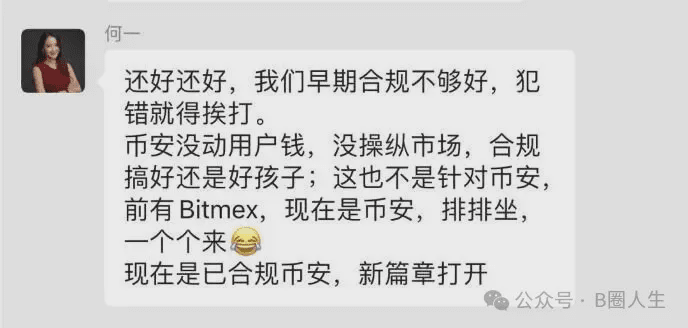
The legend comes to an end, but the story continues.
Only the main character CZ has temporarily exited the stage.
Four months later, what kind of new world awaits him when he walks out of prison?
Chapter Six: Revelry Within the High Walls and the “Ruins” Outside!
At the end of September 2024, when Zhao Changpeng, dressed in prison uniform, walked into the Seattle Federal Correctional Center, the world's attention was focused on this “billionaire prisoner.” What was he doing inside?

The revelations from fellow inmates and the jokes from internet comedians painted a peculiar picture for us:
“CZ” became “Commoner CZ”: in prison, he could no longer wield power as “Binance CZ.” He was just a prisoner numbered 35201, dressed in a standard orange prison uniform.
“Miners” turned “psychologists”: It is said that he used his thinking ability and calmness to often counsel other emotionally unstable inmates, becoming the “unofficial psychologist” inside!
Pocket money “all in”: It is reported that he used a few dollars of pocket money each week to conduct “trading analysis” on a corn chip called “Tostitos” in the prison's “small shop.” He would observe the circulation speed and popularity of different flavors of corn chips among prisoners, which was jokingly referred to as an “alternative DeFi model behind high walls.”
Meanwhile, outside the walls, Binance and the entire crypto world are undergoing an unprecedented transformation in the “post-CZ era.”
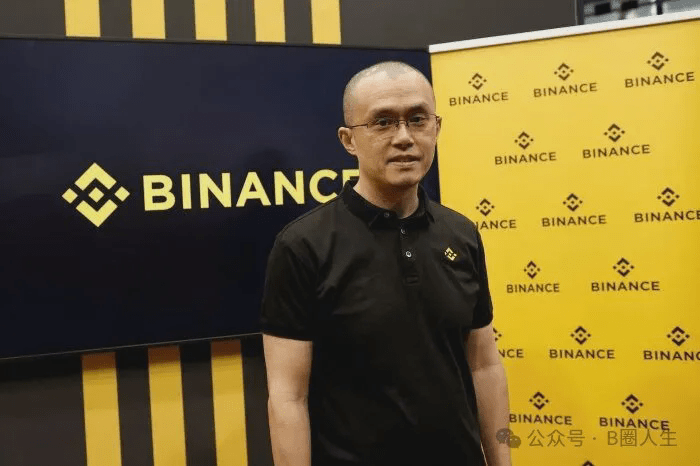
The once “militarized” management model where CZ had the final say and could decide major decisions by spamming in the Telegram group instantly became “decentralized.”
Binance hired a group of heavyweight executives from the traditional finance sector to form a compliance committee and began to align with Wall Street investment banks.
Everything changed, becoming more “rule-based” and “professional,” but also... lacking a bit of madness and passion.
Binance's exchange business remains strong, but its “halo” is fading.
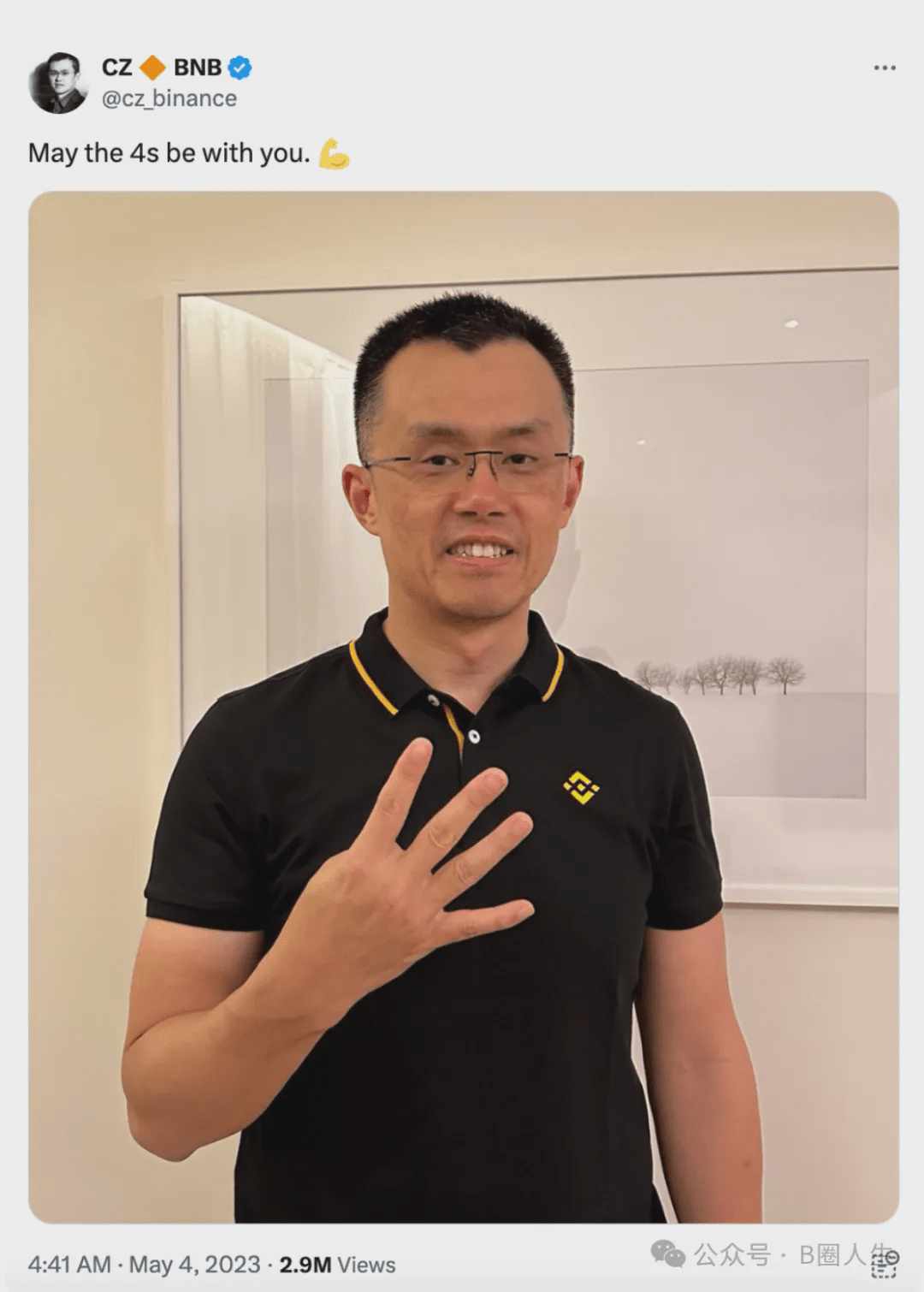
CZ's departure seemed to have drawn the soul out of the empire. Users no longer believed in that “never makes mistakes” founder; they began to diversify their assets, looking for the next CZ.
And the competitors that were once suppressed by CZ and Binance, such as Coinbase and Kraken, seized the historic opportunity to promote their “compliance gene” and the sense of security of “founder absence.”
Chapter Seven: Release from Prison or Exile? He Chose the Future
Four months’ time, for the once powerful CZ in the crypto world, was like a blink of an eye.
In January 2024, he walked out of the prison gates. What awaited him was not the bright lights and cheers, but the cold reality.
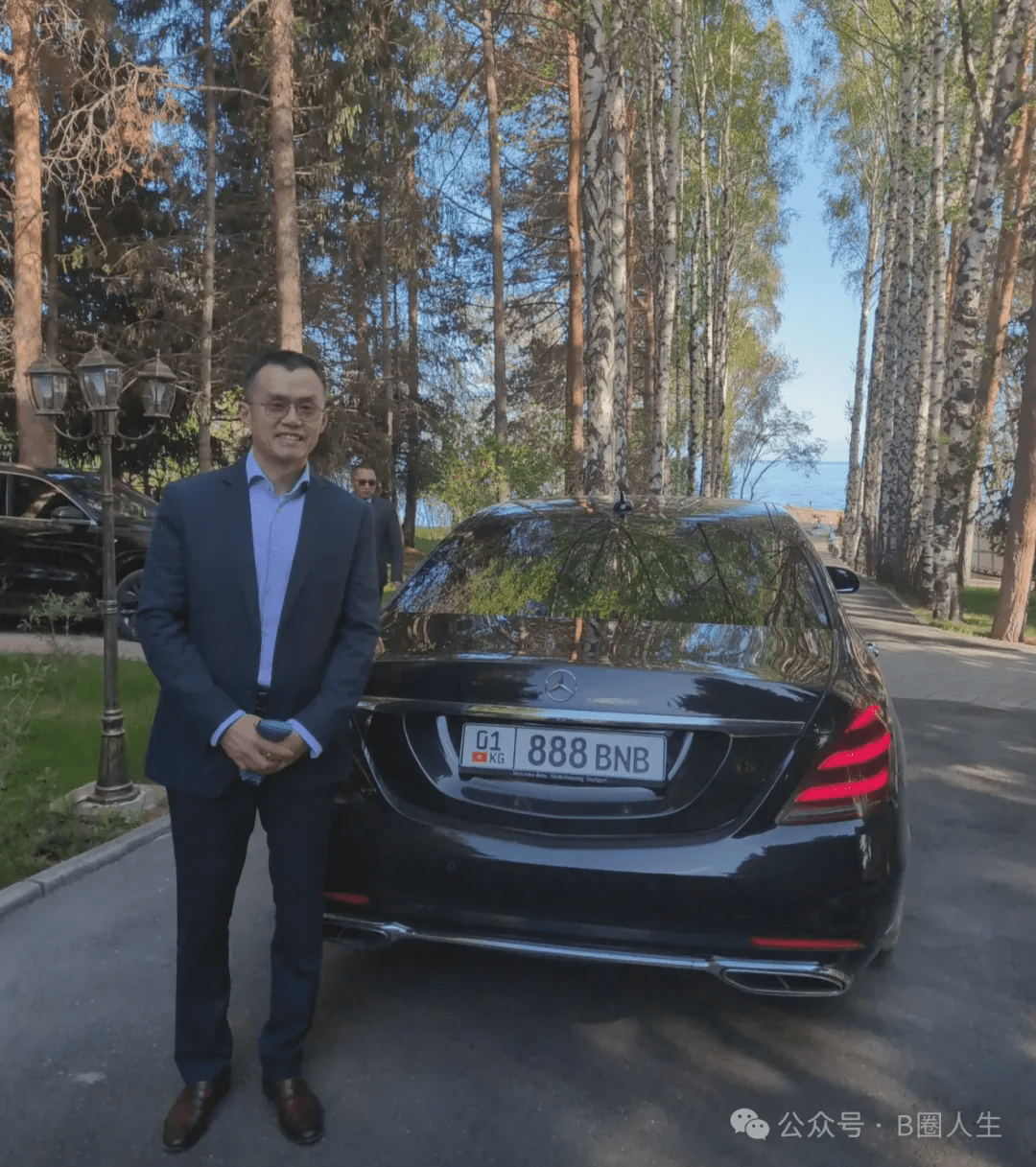
A U.S. court issued a strict order against him: after being released from prison, he must leave the United States and never return permanently.
This means that the Binance U.S. division he personally built, worth hundreds of billions, will be one he can no longer step into. That “New World” that once allowed him to rise to the top is now a place he will never be able to enter in his lifetime.
Everyone thought he would choose to exile to cryptocurrency havens like Switzerland, Singapore, or Dubai, and then make a comeback, challenging his former self.
But CZ once again made an unexpected decision.
He announced on social media: “I will be living in Turkey for the next few months. Ankara is beautiful, the food is great, and the people are very hospitable. It's peaceful here, perfect for thinking.”
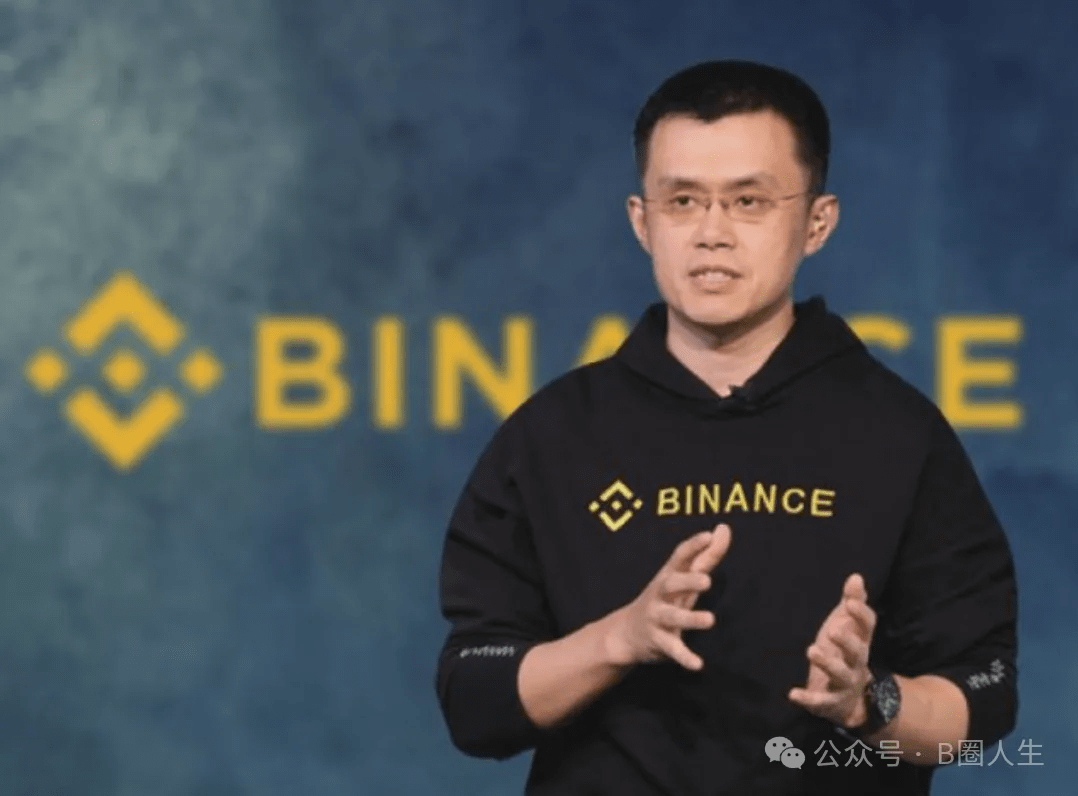
He chose not to return to the financial center but to a vibrant country undergoing economic and political transformation.
He started learning Turkish, trying to integrate into local life, no longer that “crypto overlord,” but more like an ordinary middle-aged man searching for a new starting point in a foreign land.
Not long after, the White House (October 23) announced that U.S. President Trump had pardoned Zhao Changpeng, founder of the Binance cryptocurrency exchange.
Epilogue: Madman? Prophet? Or a reflection of an era?
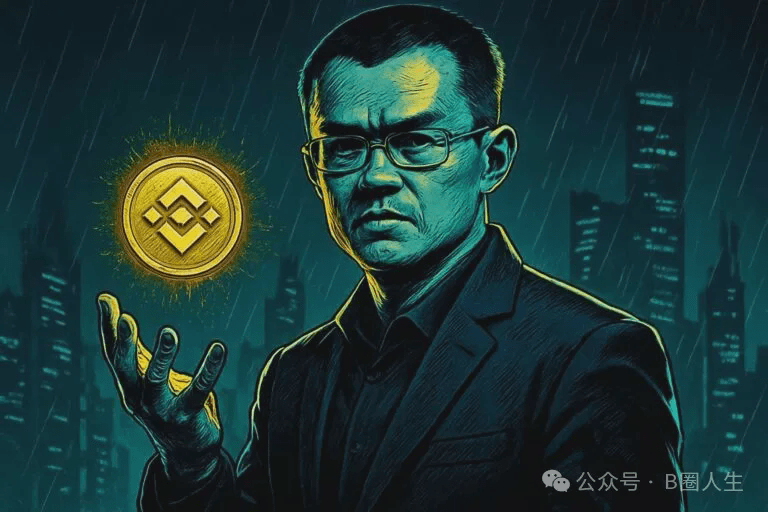
Zhao Changpeng's story is like an absurd fable.
He transformed from a “madman” who sold his house to invest all in Bitcoin to a “billionaire” with a fortune of hundreds of billions.
He disrupted the traditional financial order with a “utopian” model that had no headquarters and no employees.
He walked a tightrope in the gray area of global regulations, tangoed, and ultimately exchanged four months of “house arrest” for the empire's survival.
He is not a perfect hero and has even made mistakes. But he is undoubtedly one of the most disruptive figures of this era.
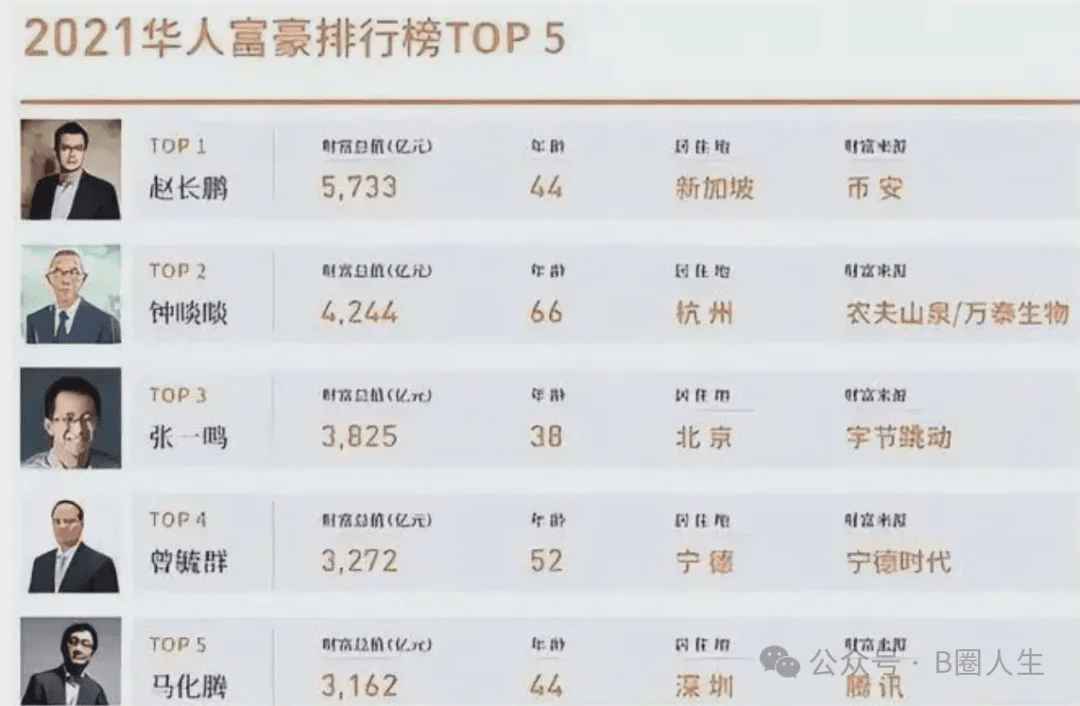
His legend may have come to an end. But the dream of decentralization and financial freedom that he ignited still burns in every corner of the world.
He is like a modern “digital pirate,” hijacking the wealth system of the old world, only to be ultimately backfired by his own waves, stranded on the beach.
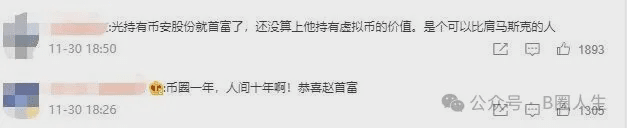
When we look back on Zhao Changpeng's life, we see not only an individual's success and failure but also a reflection of an era: one filled with opportunities and chaos, innovation and greed, freedom and regulation clashing violently.
And CZ is the most insane and also the most dazzling footnote of this era.
————— ♦ —————
It’s not easy to write; follow me for more web3 insights. Don’t forget to like and share!