
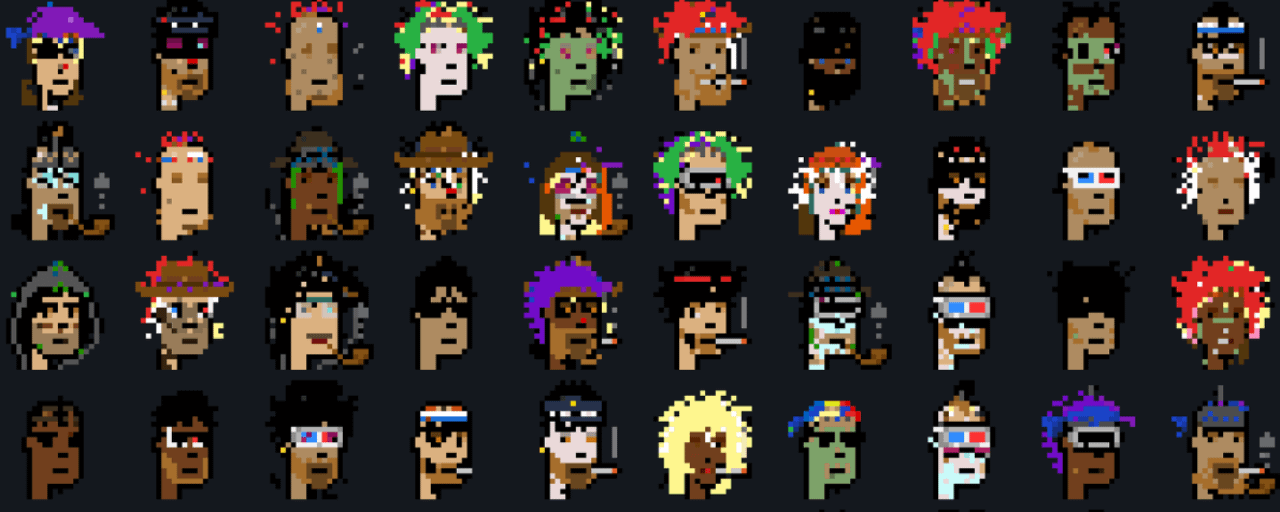

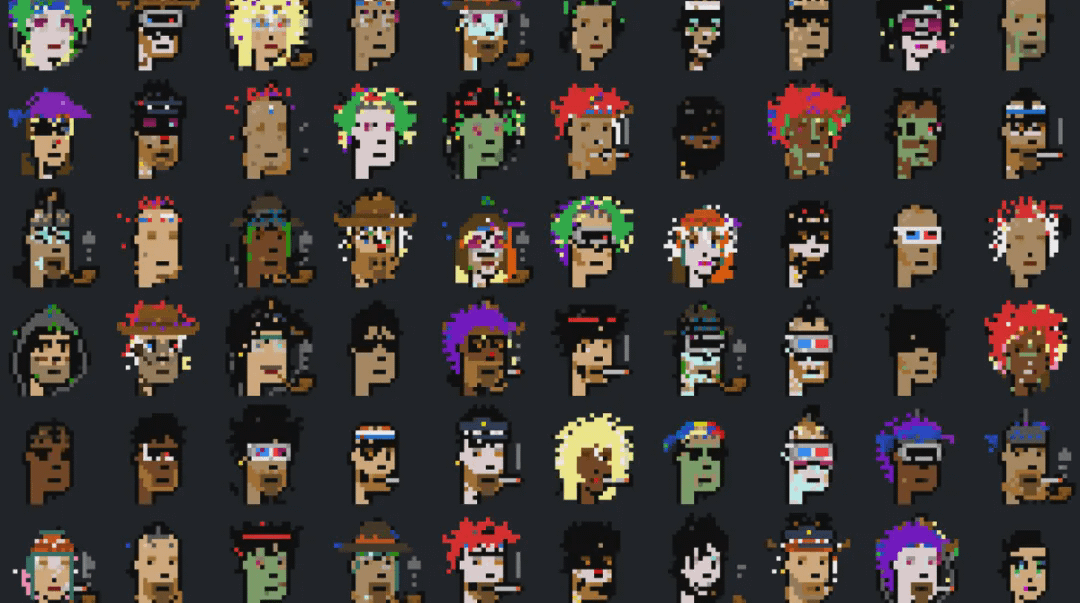
Michael Hirsch, aka the 'Slopfather', is the founder of Slonks, an Ethereum-based on-chain NFT collection featuring 10,000 NFTs. It attempts to reconstruct the original CryptoPunks pixel by pixel using a neural network model, but the charm lies in the way it fails.
At first, this was just an on-chain AI experiment, but it eventually evolved into a full-blown ecosystem built around 'imperfection'. It features a burn-and-merge mechanism, a token called SLOP directly tied to pixel deviations, and the upcoming on-chain arcade game Slops.
We sat down with Michael Hirsch to discuss the origins of Slonks, the meaning of creating art around failure, how SLOP converts collector behavior into token supply, and the next steps for the ecosystem.
OpenSea:
Slonks is described as an 'on-chain neural reconstruction' of CryptoPunk images, a model stored on Ethereum attempting to recreate a 24x24 pixel image, and it’s almost completely accurate. Where did this concept come from? Why did imperfection become the right foundation for building it?
Michael Hirsch:
It all started with me wanting to see if I could train an AI model to perfectly replicate all 10,000 CryptoPunk patterns while keeping the parameters small enough to run on-chain. It turned out this seemed impossible.
But when I looked at the output, I started to appreciate those flaws and realized that this might be the essence of the meme. So I followed that line of thought and even lowered the parameters to create more flaws in the patterns, adding a merging and burning mechanism to make the creative process more gamified and fun.
OpenSea:
The phrase 'flaws are art' is quite provocative. What does it mean? Why is imperfection at the core of this project?
Michael Hirsch:
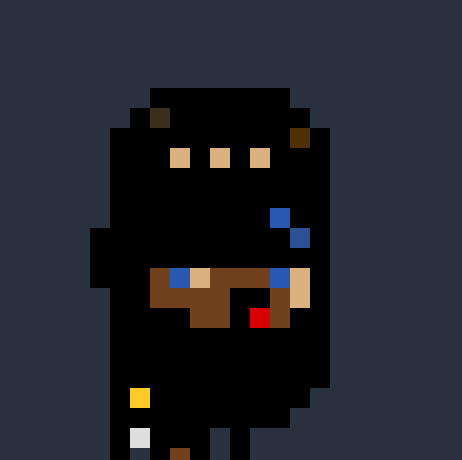
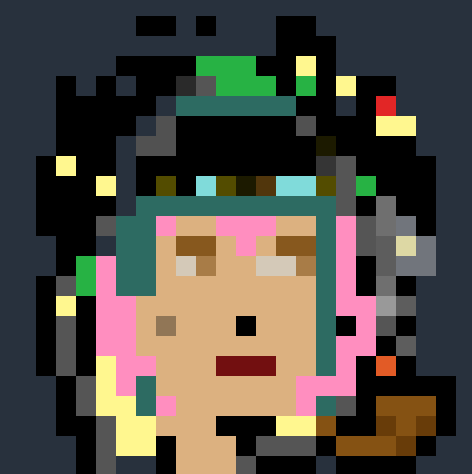
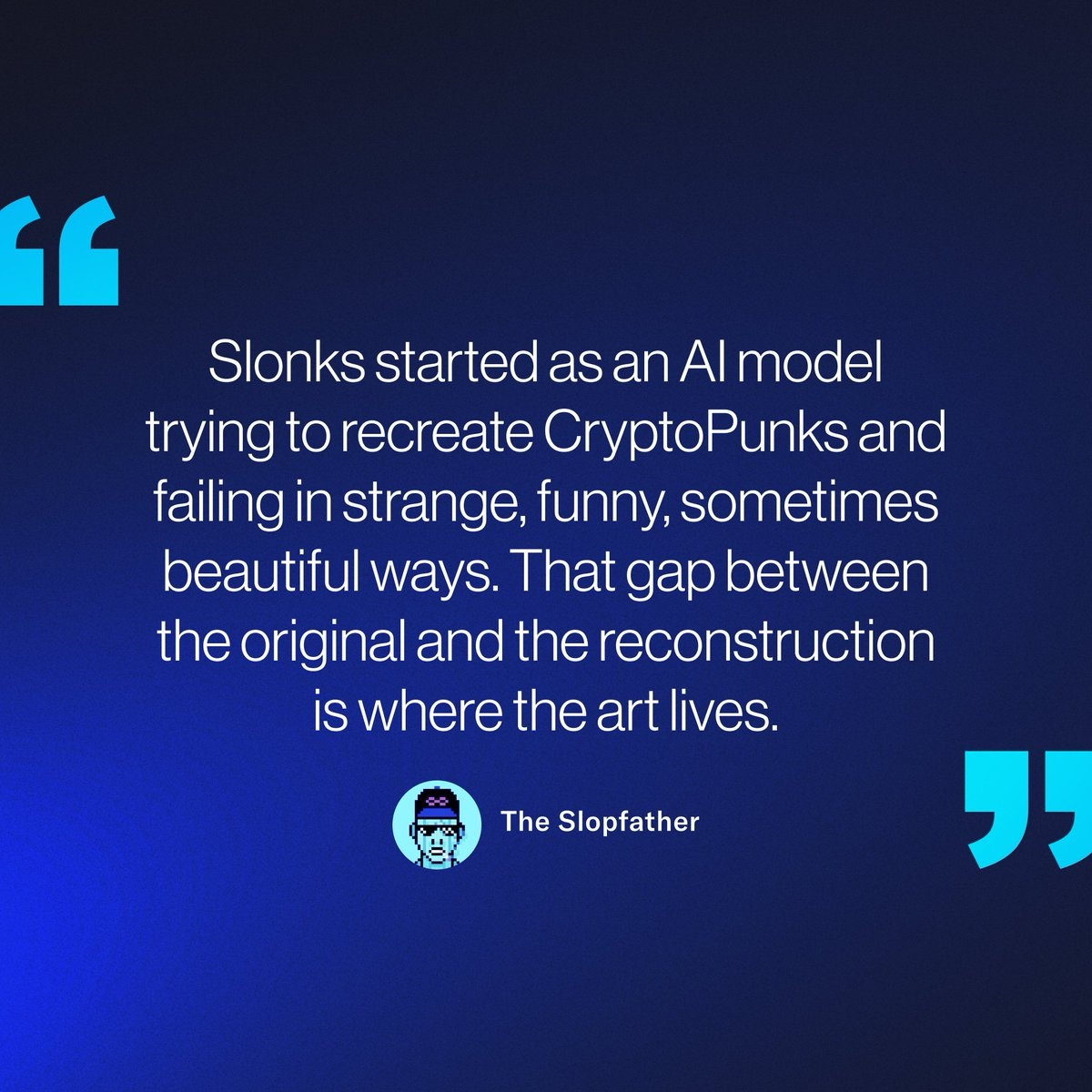
To me, this means those imperfections are not flaws of the project; they are the essence of the project itself. Slonks started as an AI model trying to replicate the style of CryptoPunks but failed in various peculiar, comical, and sometimes even beautiful ways. This difference between the original and the reconstruction is the essence of art, indicating that AI can mimic creativity, but perfection is not the key to meaningful achievement.
OpenSea:
When two Slonks merge, one disappears forever while the other becomes a new entity. How do you view this? Is it loss, transformation, or something else?
Michael Hirsch:
It’s both a loss and a transformation. There are many reasons people want to merge and burn; they might want to create the Slonk with the most burn instances, for instance, one 'Slonk' that has absorbed 63 other 'Slonks'. They might also want to create aesthetically pleasing pieces, seeing how many merges they can perform while keeping the piece clean, or they might be aiming for the highest number of 'Slonks'.
OpenSea:
The void mechanism turns scraps into liquid; when you void a scrap, it generates SLOP equal to its pixel deviation value, and the equivalent SLOP can be used to buy back someone else's scrap. What inspired this design? What problem do you want to solve?
Michael Hirsch:
I was writing a mining script that would analyze the Slonk you provided and the Slonks available on the market, trying to find the merge path that would yield the highest Slop count. During development, I realized the potential results were enormous. I thought, if this script could run infinitely and generate tokens like mining, that would be awesome. Thus, SLOP was born: a token you can redeem with Slonk, earning 1 SLOP for every pixel that differs from the original Punk.
OpenSea:
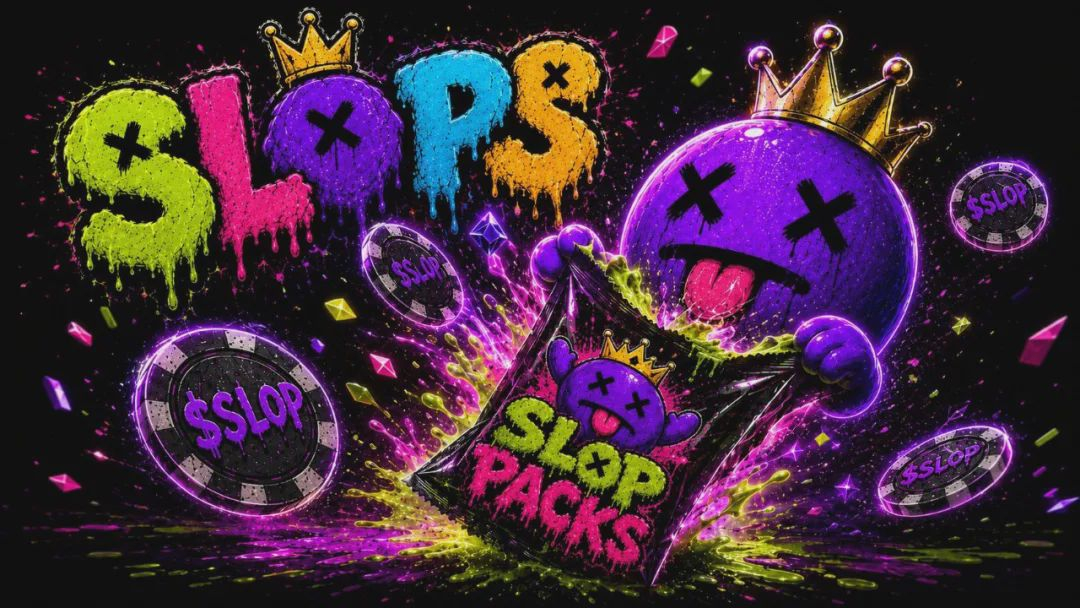
SLOP was initially issued with 576,000 tokens in a single-sided pool, and after the initial supply sold out, new token supply only enters through user voiding. Why choose community actions as the issuance mechanism instead of a fixed issuance schedule?
Michael Hirsch:
I want the issuance of SLOP to come from the NFTs themselves, not according to an arbitrary timeline. When someone chooses to void a Slonk, that token is generated, so its supply is directly related to the actions of collectors and the artwork itself. The initial token pool was meant to provide liquidity for exchanges, but later, the community will decide how new SLOP enters circulation. I also hope it to be a circular system: SLOP can be generated by voiding Slonk and can also be used to reactivate voided Slonk.
OpenSea:
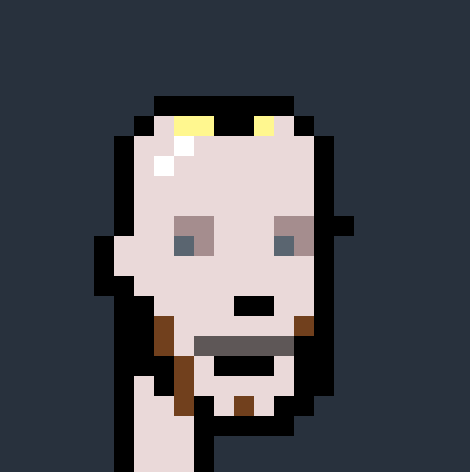
You guys are developing Slops, an on-chain arcade gaming platform powered by the SLOP token. What makes you feel this is the right next step?
Michael Hirsch:
I've been creating various puns about 'slop' and 'Slonk' on X, one of which I compared the whole ecosystem to a 'slop machine,' and later I realized this could actually be a really cool burn mechanism for the SLOP token.
Initially, I thought users would only showcase Slonks, but later I realized if it could expand to the entire NFT space, including series like Pudgy Penguins, CyberKongz, Doodles, etc., it would be even more exciting. This would allow the entire NFT realm to be involved and gather different communities under one project.
OpenSea:
You guys invited Quirkies, Normies, Chimpers, GVC, Deadfellaz, Meebits, Space Riders, and 1337 Skulls as prizes. What's the collaboration like in the context of Slops? What are you looking for in these specific communities?
Michael Hirsch:
I was looking for a strong community that has trust, deep historical roots, and is open to new on-chain experiences. In Slops, collaboration means their NFTs can become part of the Vault and integrate into the history of the system.
Users can showcase NFTs from communities they know and respect, and as the Vault evolves, these communities will gain new exposure and ongoing support. Our goal is to use the transaction fees from the tokens to support this experience long-term, driving the continued growth of the ecosystem.
OpenSea:
What’s the next step for Slonks and Slops? What do you think the future direction of the entire ecosystem is?
Michael Hirsch:
From the start, I just wanted to have fun on-chain, creating cool new experiences, and that’s what I plan to keep doing. The core mechanism of Slonks remains unchanged: you can merge and burn Slonks to try to create a higher quantity of Slop, which can be redeemed for SLOP. Slonks is the mining layer of the entire ecosystem.
I want to build the biggest on-chain NFT gaming platform in the industry through Slops, powered by SLOP. The first step is a feature I call Slop Packs, where users can unlock NFTs from a curated on-chain collection using SLOP. Over time, I hope to continuously add more collectibles, more communities, and eventually more games, giving SLOP more avenues for use and burn.
The bigger vision is to create a fun, social platform aimed at the entire NFT space. I want Slops to be an exciting place that draws people in regardless of winning or losing. At the same time, I hope it supports established communities that are still growing and introduces people to new communities, creating a new shared experience around NFTs.
Disclaimer: This content is for informational purposes only and should not be viewed as financial or trading advice. Mentioning specific projects, products, services, or tokens does not constitute endorsement, sponsorship, or recommendation by OpenSea. OpenSea does not guarantee the accuracy or completeness of the information provided. Readers should verify any statements made in this article before taking any action, and they are responsible for conducting due diligence before making any decisions.
#Slonks #CryptoPunks #SLOP #Slops
Content on OpenSea that you care about
Browse | Create | Buy | Sell | Auction

Follow the OpenSea Binance channel
Stay updated