#Write2Earn In Iran, the drought is so severe that authorities are considering the evacuation of Tehran (where 10 million people live). The critical situation was also caused by mistakes made by the authorities in various sectors of the economy.
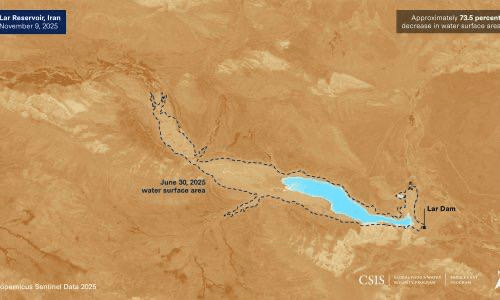
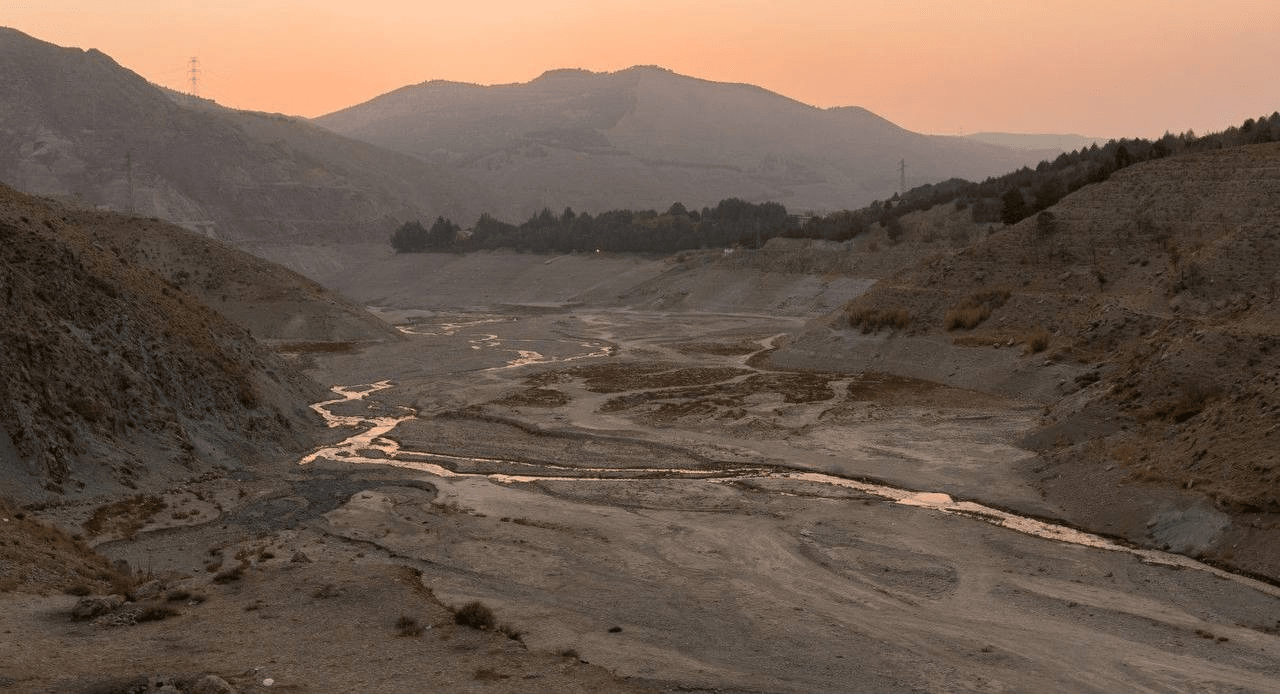
Iran is experiencing a severe water supply crisis. The reservoirs feeding large cities are filled to less than 10%, around Tehran – less than 5%; some reservoirs have completely dried up or are very close to that. The country's president, Masoud Pezeshkian, stated that if it does not rain by the beginning of winter, the capital will have to be evacuated. Where exactly the approximately 10 million residents of Tehran are supposed to be relocated is unclear, especially since the situation in other regions of Iran is no better. For instance, the reservoirs feeding Mashhad – the second largest city in the country – are filled to 3% or even less.
Overall in the country, the amount of precipitation is only about a tenth of the climatic norm – Iran is experiencing the driest autumn in at least half a century.
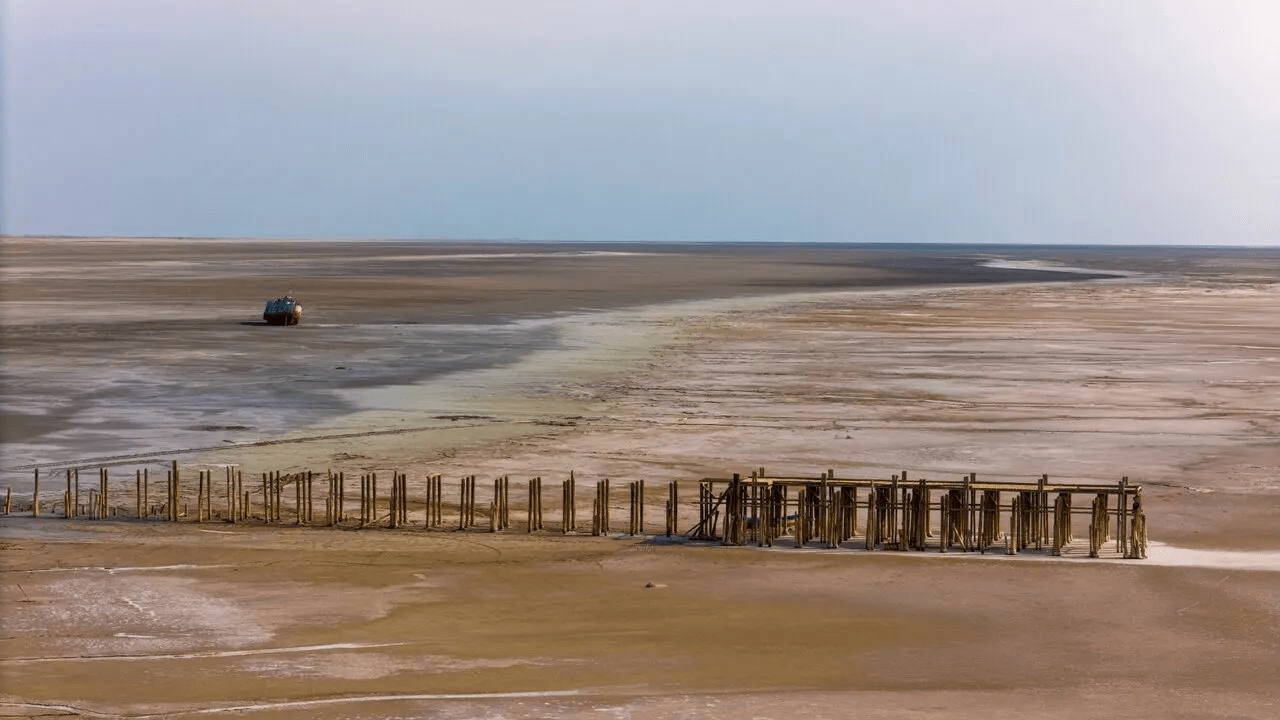
On November 16, Iranian authorities reported that they had begun cloud seeding – this is an operation to artificially induce rain over the basin of the salty Lake Urmia in the northwest of the country. This lake, the largest in Iran, has significantly dried up – a significant part of it has turned into salt flats.
The difficulty is that seeding can only be effective if there is enough moisture in the air: the sprayed reagents promote its condensation and the formation of raindrops. However, the air in Iran is currently dry almost everywhere, including in the mountains, where clouds usually accumulate.
In Tehran and other large cities, water cutoff schedules have been introduced. Lines form at water tanks. State television shows how people pray for rain.
Due to the water crisis, the output of Iranian hydroelectric power plants has already decreased. Industry is experiencing significant difficulties, as water is required for cooling and other technological processes. Crop yields have sharply decreased, which threatens to further increase food prices in the future.
Iranian authorities are discussing the possibility of importing water, as well as borrowing desalination technologies (most of the water among Iran's neighbors is obtained in this way, for example, the UAE). However, due to sanctions and hostile relations with many neighbors, the country can expect only very limited international assistance.
The causes of the crisis are a combination of natural and human factors. There are no large rivers in the Iranian plateau. It is surrounded by mountains on all sides, which limits the amount of rainfall. Moreover, the last few years have been particularly hot and dry.
All over the country, thousands of wells were also drilled uncontrollably to extract water. In addition to the depletion of groundwater, this often leads to soil subsidence.
The situation was exacerbated by the construction of numerous dams, including those for hydropower plants – political 'development projects'. They not only disrupted the regime of the few and low-water rivers (primarily because of this, Lake Urmia dried up – the current drought has only completed the process), but also created many reservoirs with a relatively large surface area – water from them evaporated quickly.
Moreover, water consumption accounting in Iran is poorly organized, and the tariffs for it (especially for agriculture) were heavily subsidized. All this also did not contribute to the rational management of water resources.