

Main Takeaways
In their first week, direct stocks on Binance attracted a highly engaged audience, with roughly 10% of unique visitors registering and around 64% of those sign-ups going on to trade.
Demand was broad, with emerging-market users accounting for over 80% of direct stock trading volume throughout the week.
Settled entirely in stablecoins, the launch signals a larger shift: in its first week alone, direct stock trading reached approximately 2% of TradFi-referenced perpetuals volume, reinforcing Binance Research’s view that crypto exchanges could channel around $2 trillion and nearly 300 million new investors into global equity markets by 2031.

A week ago, we opened direct stock trading on Binance, and eligible users can now reach leading U.S. equities, settled entirely in stablecoins rather than through traditional banking rails. The first week of data paints a compelling picture: demand is strong, unusually global, and spread across the market.
Granted, this is an early snapshot. Product availability is subject to eligibility and local requirements, and market conditions will always influence what users choose to trade. Even so, what we see is further evidence of the convergence of crypto and traditional markets, showing what happens when a platform with hundreds of millions of global users opens a new pathway into one of the world’s largest pools of financial opportunity. Here is what the opening days show, and what they suggest.
Strong, Broad Early Demand
The first week showed strong intent from users who discovered the product. Based on daily average unique visitor data, Binance’s stock trading offering achieved a conversion rate of approximately 10%, meaning one in every ten site visitors proceeded to register an account. Of those who signed up, approximately 64% went on to place a trade.
Early user acquisition was another encouraging signal: on the first day of stock trading, 6% of stock traders were completely new to Binance. On Day 2, that share increased to 7%. In other words, the new offering appears to have expanded the reasons for new users to join Binance.
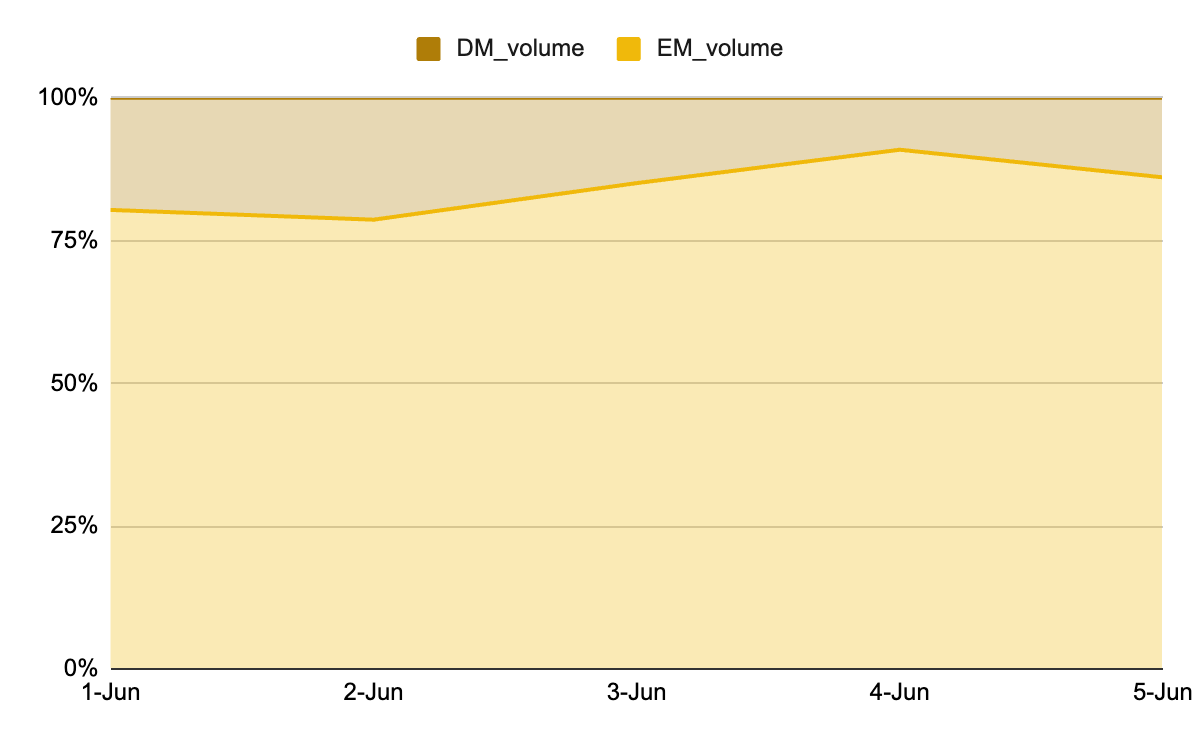
Figure 1: Early stock-trader mix by market type. Source: Binance Research, as of June 5, 2026.
The geography of adoption is especially notable. According to Binance Research, emerging-market users account for the vast majority – over 80%. For many users in such jurisdictions, access can still be shaped by banking relationships, foreign-exchange costs, brokerage availability, minimum deposits, account approvals, and local market infrastructure. When those sources of friction are reduced, demand becomes visible quickly.
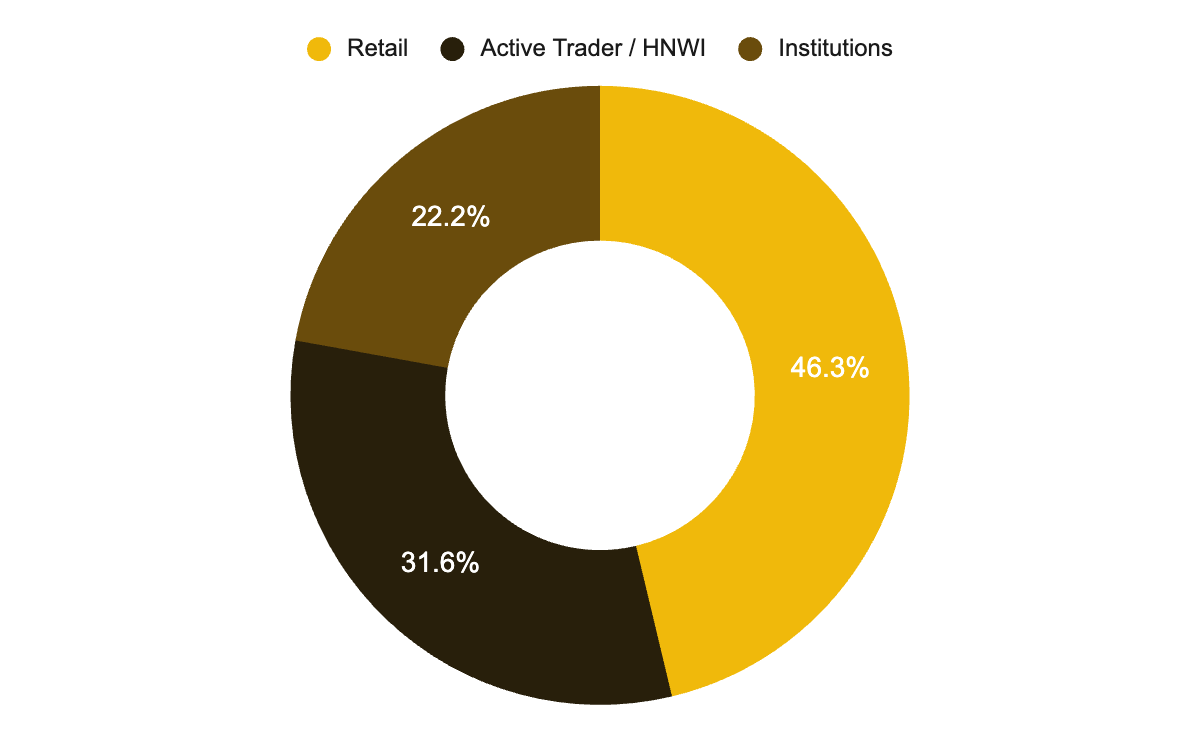
Figure 2: Early volume split by user segment. Source: Binance Research, as of June 5, 2026.
In terms of user segment distribution, early trading volume skewed toward retail users, while active traders, HNWIs, and institutions each contributed meaningfully. That mix suggests that direct stocks on Binance are serving a number of different use cases at once. Notably, approximately 70% of users exhibited holding behavior rather than active trading, indicating the platform’s potential as a longer-term investment venue rather than a short-term speculation tool.
Traditional routes into U.S. equities can involve bank FX spreads, international transfer fees, account minimums, per-trade fees, market-data costs, custody or account fees, and multi-day settlement. Our analysis suggests that, for a $1,000 investment, the traditional route can create a round-trip friction cost of around $130 – which Binance can reduce to 1/10 or less, depending on the user’s market and funding path.
The minimum investment threshold is just as important. For many traditional routes, minimum deposits can range from $500 to $10,000. On Binance, the minimum investment is $5. This difference can be decisive for users who want to learn or build exposure gradually rather than commit a large amount before they have even made their first trade. Fractional access is therefore part of making the global market accessible for the people who need lower barriers the most. In practice, approximately 39% of all trades in the first week were placed for under $100 – a distribution that would be structurally impossible through most traditional brokerage routes, and that points directly to a new class of equity investors entering the market for the first time.
The age profile of early adopters reinforces this point: approximately 25% of stock users were under 25, representing a cohort for whom access barriers have historically made crypto a more accessible entry point into financial markets than equities.
What Users Chose to Trade
In the first few days since direct stocks launched, Binance users traded across more than 1.1K assets, with 124 assets each exceeding $100K in traded value.
Sector allocations skewed heavily toward Information Technology at 57%, reflecting strong alignment with the AI theme that has driven outperformance in recent months. Funds and ETPs followed at 20%, then Communication Services at 11% and Financials at 9%. At the sub-sector level, semiconductors and hardware captured approximately 44% of total fund inflows during the first week, underscoring targeted positioning in the hardware infrastructure layer of the AI trade.
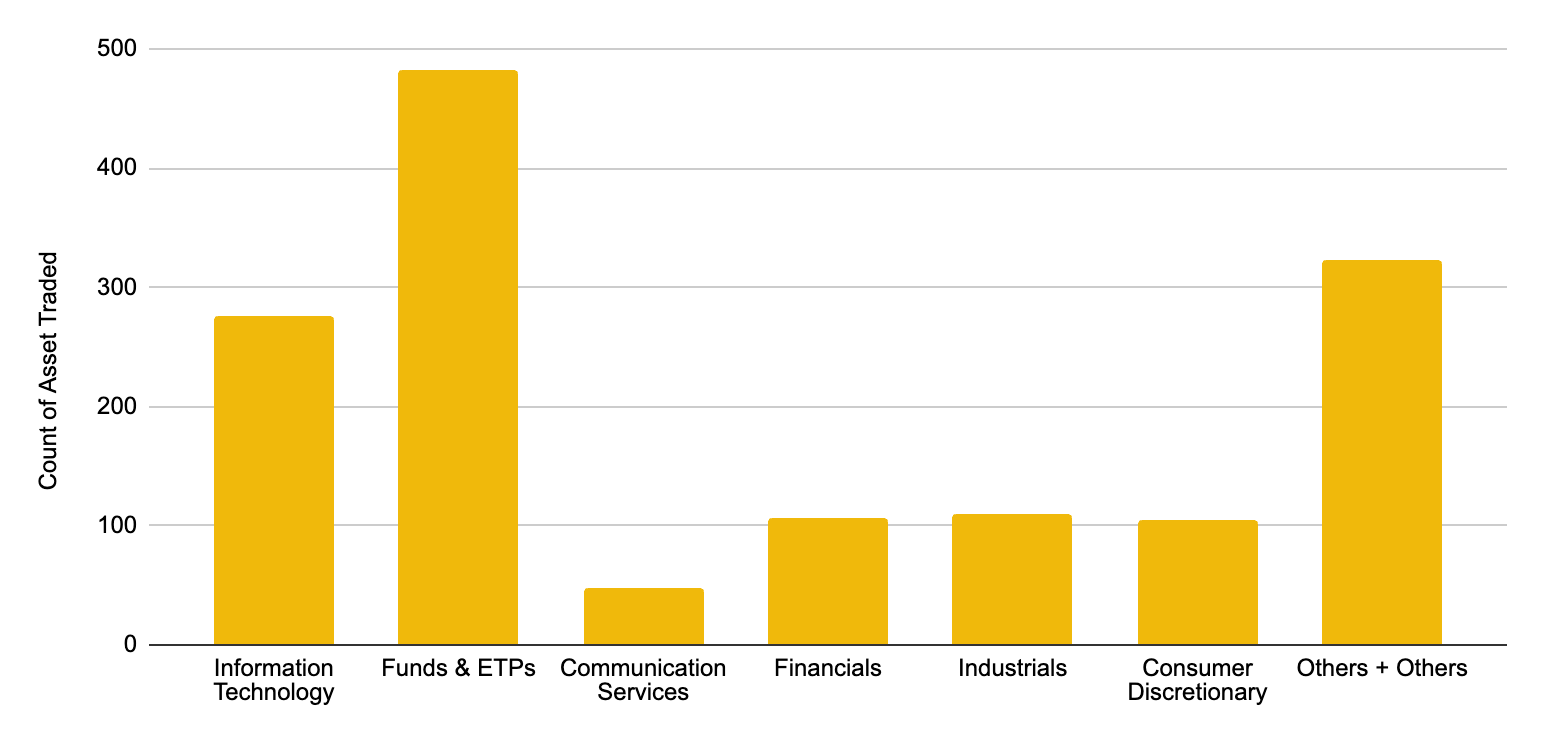
Figure 3: Sector allocation in early direct stocks activity. Source: Binance Research, as of June 5, 2026.
With the introduction of direct stocks, Binance allows users to express a variety of market views – across crypto and TradFi markets – from one trusted environment, with stablecoins acting as the connective layer between asset classes.
Early top names by volume and open interest included MRVL, GOOGL, NVDA, NOK, QQQ, CRCL, CRWV, INTC, DRAM, and MU, pointing to users connecting macro themes across AI, semiconductors, technology, crypto markets, and broad equity exposure.
Equity Markets in 2031
Binance Research estimates there are about 700M brokerage accounts globally – roughly 11% of adults – and about 700M crypto users. Binance alone serves 320M+ users, equal to about 43% of the global brokerage-account base. These two numbers sitting so close is striking, if you consider how brokerage access took decades to build and remains limited in many markets, while crypto scaled quickly because users only needed a smartphone with internet access. Now, Binance narrows that divide by giving eligible crypto-native users access to equities.
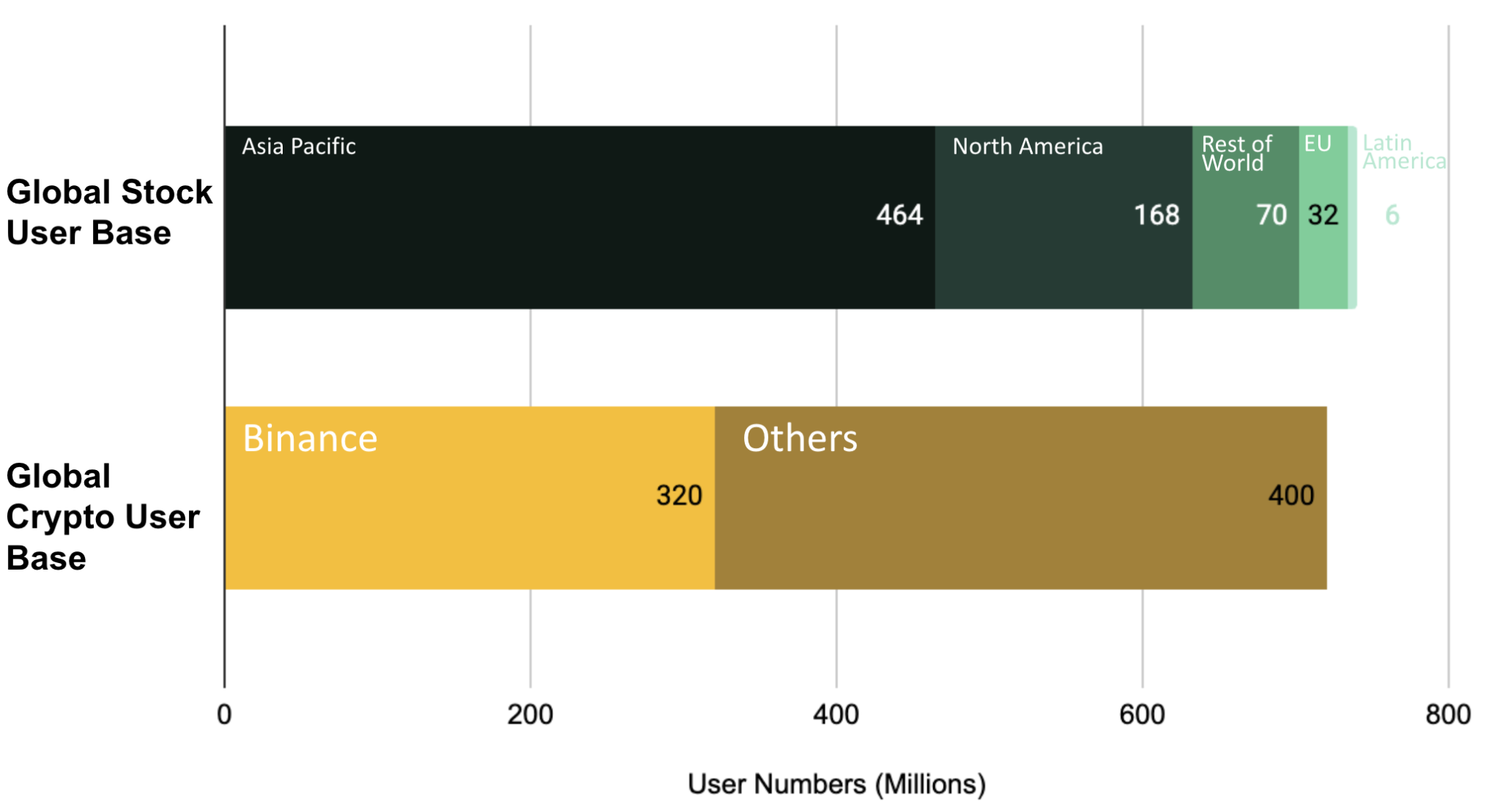
Figure 4: Global stock user base and global crypto user base. Source: Binance Research, as of June 3, 2026.
Stablecoins are central to this shift. In its first week alone, direct stock trading on Binance reached approximately 2% of TradFi-referenced perpetuals volume, highlighting early traction and a growing stablecoin demand tied to non-crypto trading offerings. For context, TradFi-linked perpetuals already account for about 10% of stablecoin trading volume. Direct stock trading could extend that pattern further, using stablecoins as a practical settlement layer for 24/7 access to traditional-market exposure.
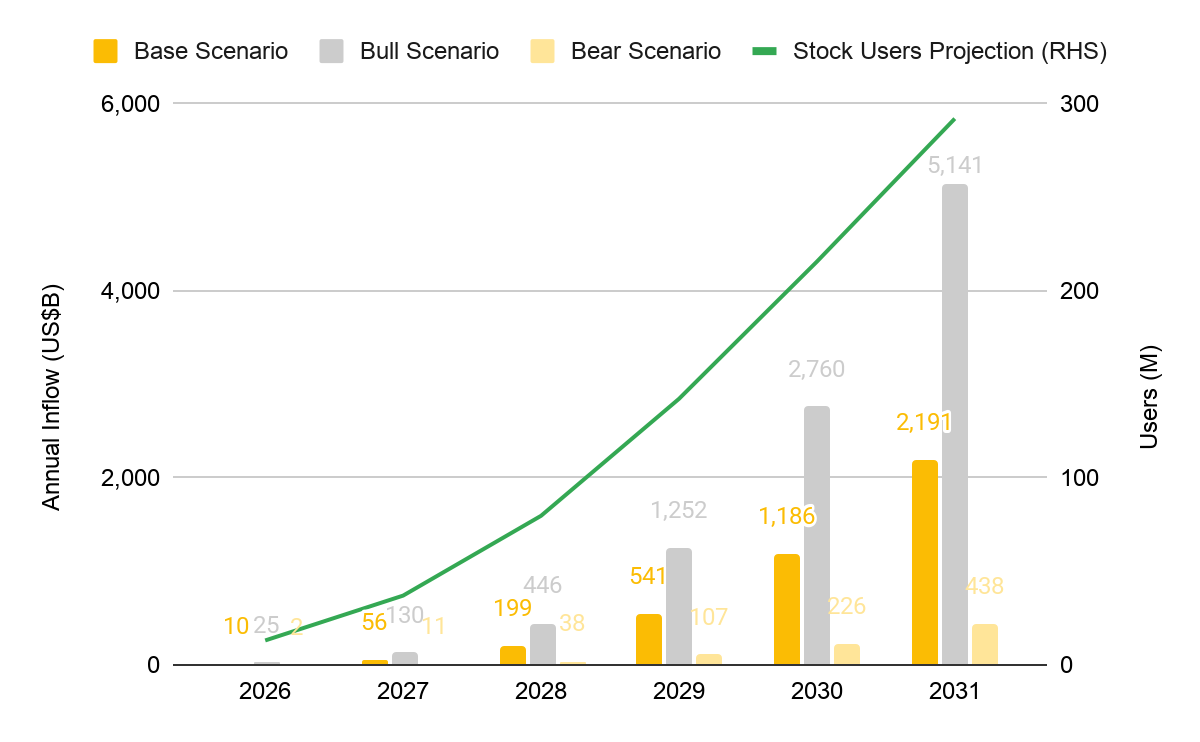
Figure 5: Projected incremental equity users and capital through crypto exchanges by 2031. Source: Binance Research, as of June 3, 2026. Projection is illustrative and not a guarantee of future activity or returns.
The long-term implications could be massive. Binance Research projects that, by 2031, crypto exchanges as a category could bring nearly 300M new users and around 2T in incremental capital into global equity markets. While this is a hypothesis, it captures the size of the opportunity when crypto infrastructure is used to lower the access barriers around traditional financial assets.
Final Thoughts
The first week of direct stocks on Binance illustrates that when access frictions fall, demand can surface quickly and globally. The early data points to a model where stablecoin-based infrastructure helps connect hundreds of millions of crypto-native users to traditional financial assets with lower barriers and broader reach. It is still early, but the signals are visible: market access is becoming more diverse, digital, global, and more user-driven – and this may be only the beginning of finance’s new era.
Further Reading
Opening Access to Global Opportunity: What Binance’s Direct Stocks Mean for Everyday Investors
Welcome to The New Era of Trading: Trade Direct Stocks and ETFs on Binance
Disclaimer: Direct stocks are available only to eligible users and subject to local regulatory requirements and product availability. Securities are subject to market and liquidity risk, price volatility, and potential loss of capital. This content is for informational purposes only and should not be construed as financial or investment advice. Users should make an independent assessment of any transaction in light of their own objectives and circumstances and consult their own advisers where appropriate.
Disclaimer: Nest Trading Limited acts as your introducing broker and routes your orders for Securities to its clearing broker partner, Alpaca Securities LLC, for execution, clearing, settlement and custody. Binance does not handle or custody your Securities. Securities are subject to high market and liquidity risk and price volatility (particularly outside traditional market hours). The value of your investment may go down or up and you may not get back the amount invested. You are solely responsible for your investment decisions and Binance is not liable for any losses you may incur. Past performance is not a reliable predictor of future performance. Before trading, you should make an independent assessment of the appropriateness of the transaction in light of your own objectives and circumstances, including the risks and potential benefits. Consult your own advisers, where appropriate. This information should not be construed as financial or investment advice. Binance may receive payment for order flow remuneration for directing your orders. To learn more about how to protect yourself, visit our Responsible Trading page. For more information, see our Terms of Use, Securities Trading Product Terms and Risk Warning.