
📰 Article 1 : XRP Coin - The Institutional Asset at the Core of the Payments Revolution
XRP, the digital asset designed for high-speed global settlement, is currently undergoing a significant transformation in its market profile. While its core function—enabling near-instant, low-cost cross-border payments on the decentralized XRP Ledger (XRPL)—remains paramount, recent developments, particularly around regulatory clarity and the launch of new investment vehicles, are redefining its role from a utility token to a key institutional asset.
The recent introduction of Spot XRP Exchange-Traded Funds (ETFs) in various global jurisdictions has been a watershed moment. These regulated products open the floodgates for large-scale institutional capital, providing an easy and compliant way for traditional financial firms to gain exposure. Analysts suggest this influx could dramatically boost the asset's market capitalization and stabilize its price, providing a long-term bullish outlook. Furthermore, exchanges in major financial hubs, such as Hong Kong's OSL, have begun listing XRP for professional investors, reinforcing its acceptance within the regulated financial ecosystem.
XRP's underlying technology continues to be a driving force. The XRPL's federated consensus mechanism allows for transactions to be settled in just 3-5 seconds with negligible fees ($0.0002), making it a compelling alternative to traditional banking rails. As Ripple, the company closely associated with the coin, expands its global partnerships and ventures into stablecoin initiatives, XRP is solidifying its position not just as a pioneer in digital payments, but as an integral component of the future global financial infrastructure.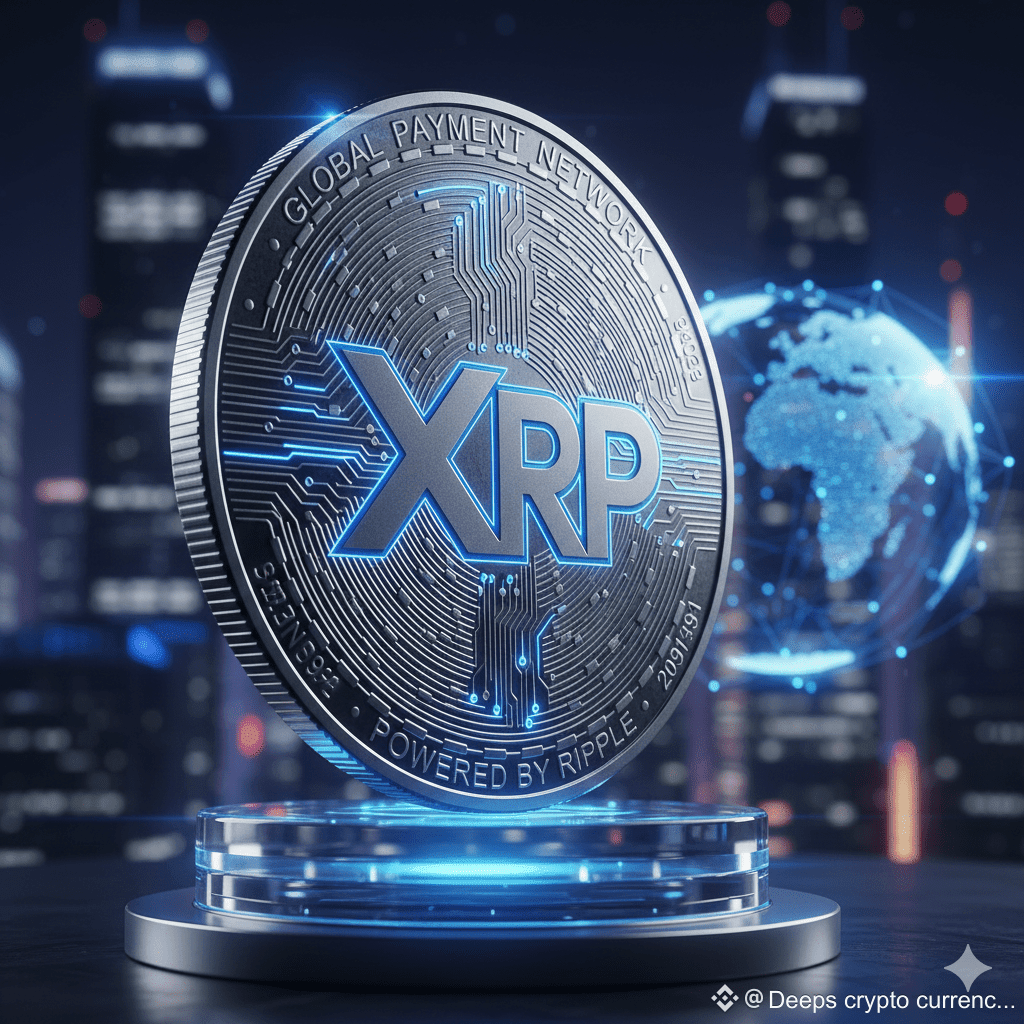

📰 Article 2 : Exploring the Deep: Unveiling Earth's Largest, Least-Known Ecosystem
The deep sea, the vast expanse of ocean below 200 meters, represents the largest single habitat on Earth, yet it remains less than 5% explored. This aphotic (sunless) zone, characterized by extreme cold and crushing hydrostatic pressure, challenges our understanding of life's resilience and diversity. For centuries, it was believed to be a barren void, but modern scientific exploration has revealed a thriving, unique biosphere.
Technological advancements, particularly in Remotely Operated Vehicles (ROVs) and Autonomous Underwater Vehicles (AUVs), have allowed researchers to systematically survey these depths. Discoveries are frequent and astonishing: ecosystems surrounding hydrothermal vents that are powered by chemosynthesis instead of sunlight, bioluminescent creatures that create their own light shows, and entirely new species that look like they belong on another planet.
This exploration is critical. Deep-sea ecosystems play a fundamental role in the global carbon cycle, sequestering \text{CO}_2 and influencing climate. They also host immense potential for novel biochemical compounds with applications in medicine and industry. However, this frontier is increasingly under threat from deep-sea mining, pollution, and climate change. Ongoing research is not just a quest for discovery; it is a vital race to map, understand, and establish international frameworks for the conservation of this magnificent, essential, and fragile hidden world.#BinanceBlockchainWeek #Xrp🔥🔥 #XRPPredictions #XRPBoom