
┈➤ US-Iran Memorandum of Understanding
Finally, a turning point has come for US-Iran relations, with a draft memorandum facilitated by Pakistan being released, set to be signed on June 19 in Switzerland.
It might be because the draft content was released by Iranian media, all of which favors Iran.
The draft includes:
On the military front, a full ceasefire (including the Lebanese front); the US is lifting the maritime blockade on Iranian ports; US troops are withdrawing from around Iran; the US commits to non-interference in Iran's internal affairs.
Regarding the Strait, the Strait will be reopened within 30 days under Iranian arrangements.
On sanctions, the US is pausing financial sanctions against Iran; unfreezing $24 billion of Iran's frozen assets within 60 days, with half being unfrozen before negotiations.
In terms of nuclear weapons, Iran has pledged not to produce them; a 60-day negotiation period will commence to reach a final agreement covering nuclear issues, which will comprehensively lift primary and secondary sanctions from the US, as well as UN Security Council resolutions and International Atomic Energy Agency (IAEA) council resolutions.
In terms of compensation, the US is offering Iran a reconstruction plan totaling at least $300 billion.
Basically, everything is favorable for Iran, not a single point benefits the US.
Regarding nuclear weapons, Iran does not produce nuclear weapons; specific issues like enriched uranium will need to be discussed in the next phase.
┈➤ US stocks and BTC are both on the rise.
WTI oil prices have dropped to around $80, while Brent crude is around $83.
BTC has returned to $66,000; of course, BTC has been on a three-day rally, and the impact of this memorandum is still not very evident.
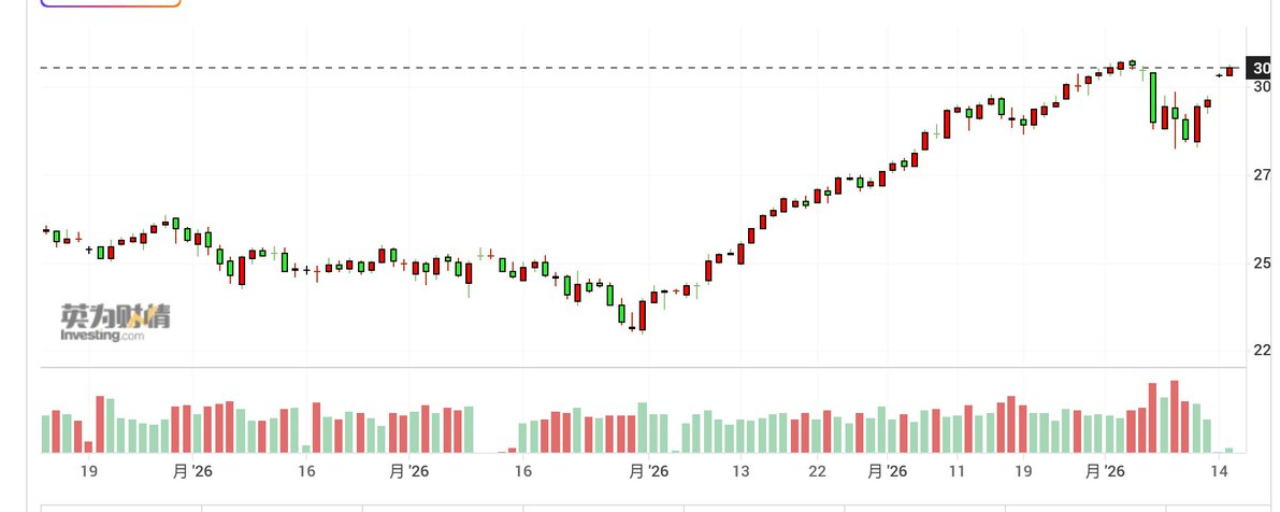
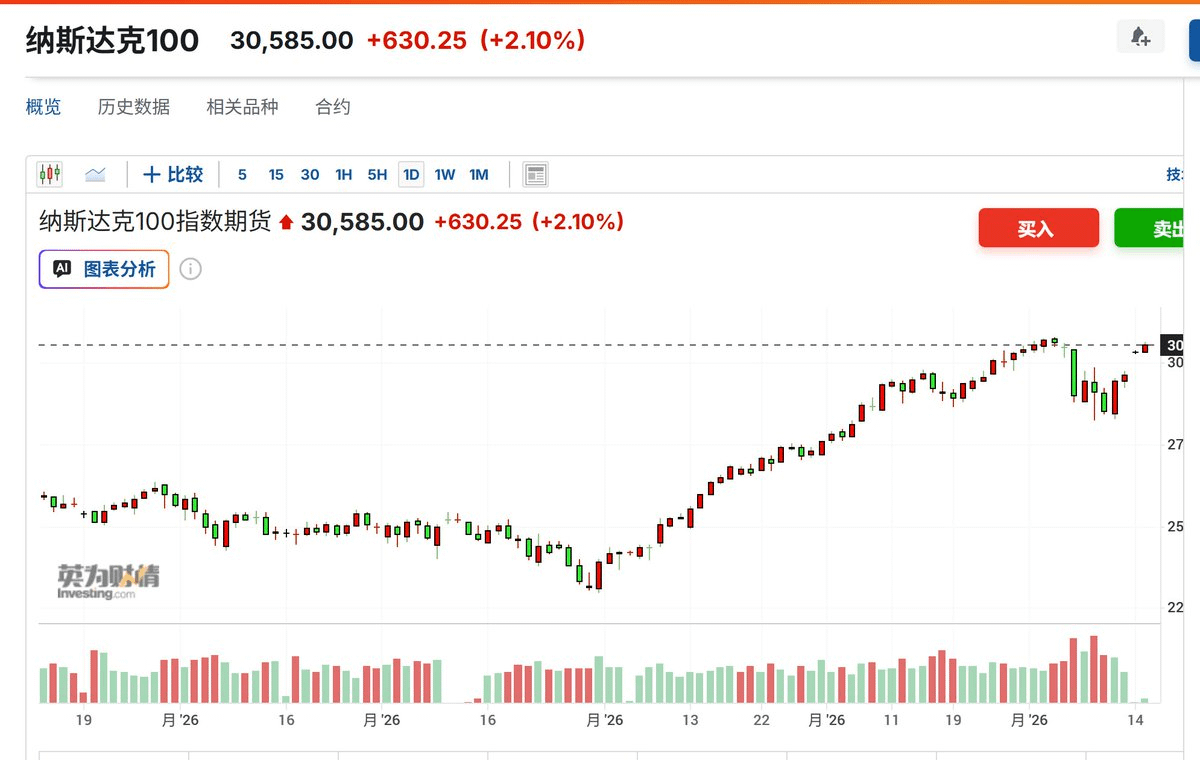
The rise in US stocks is more pronounced, with a pre-market gap up; Nasdaq 100 futures are up 2.1%.
┈➤ Final thoughts
╰✦ The US-Iran agreement should not be viewed too optimistically.
There is reason to believe that Trump is using this as a stalling tactic to boost sentiment in the US stock market.
After all, it's hard to see Trump fulfilling the conditions in the draft.
After all, the so-called memorandum of understanding is more about statements from both sides; its legal effect is limited.
The Iran nuclear agreement is an international pact, and if Trump has already defaulted, how can we expect this kind of declarative document to hold?
On the other hand, the wording of such documents is crucial; if it mostly includes terms like 'hope to' or 'intend to,' then its practicality is very limited.
Currently, some wording in this draft is quite artistic; for example, the $300 billion reconstruction plan does not mean the US needs to provide $300 billion.
One should remain cautious about being overly optimistic regarding the US-Iran agreement.
╰✦ The outlook for the Strait is relatively optimistic.
For the market, the most critical issue is the Strait; the draft states it will be opened by Iran, while Trump is promoting it as a free passage.
The optimistic expectation is that the memorandum gives face to Iran, allowing them to arrange for free passage. If so, oil prices should experience a downward correction.
If Iran continues to charge fees, it's uncertain how Trump will react. However, other countries may intervene.
According to a joint statement from the leaders of the UK, France, Germany, Italy, Japan, Canada, and Australia on the UK government’s official website:
Immediately and unconditionally reopen the Strait of Hormuz to ensure freedom of navigation... We pledge to carry out strict defense tasks to protect commercial shipping safety and conduct mine-sweeping operations.
╰✦ Oil prices should not be overly optimistic.
However, oil prices should not be overly optimistic:
First, sweeping mines and opening the Strait still require time.
Secondly, after the Strait opens, some countries won't be able to quickly restore production. During this time, oil output has been halted, and Middle Eastern capacities have been paused; thus, due to changes in underground pressure, technical adjustments will be necessary before production can resume.
Third, the oil infrastructure in Qatar, Kuwait, Bahrain, and the UAE has been impacted by Iran's actions and requires time to repair.
Fourth, since the US-Iran relationship is likely to continue to be tense, insurance companies won't lower the premiums for ships in the Strait of Hormuz, which are passed onto oil prices, limiting the downside for prices.
In summary, we can be optimistic, but not overly so.