
At first glance, the Fed’s $13.5 billion overnight repo injection on December 1 looks like a routine liquidity operation — small, boring, and barely worth a headline. But for those who track the real plumbing of global liquidity, this move is a quiet warning signal.
These repo operations rarely make the news, yet they actively shape the flow of USD liquidity that ultimately controls everything — from bond spreads and equity risk appetite to Bitcoin’s weekend price action. When overnight repo demand rises, it signals a shift in how smoothly dollars move through the financial system. And despite the “anti-fiat” narrative, Bitcoin now reacts to these shifts faster than most realize.
What Is Repo — and Why Do Sudden Spikes Matter?
A repo (repurchase agreement) is a short-term loan where institutions temporarily exchange U.S. Treasuries for cash, agreeing to reverse the transaction the next business day. Since Treasuries are the cleanest form of collateral, the Fed’s repo window is the safest emergency USD funding channel in the system.
Repo spikes usually come from two main forces:
1. Risk-Off Caution:
Banks, dealers, and leveraged funds rush to secure guaranteed USD funding when private credit conditions tighten — even slightly. When trust drops in private markets, demand flows directly to the Fed.
2. Technical Liquidity Needs:
Settlement schedules, bond auctions, quarter-end balance sheet adjustments, and calendar effects often create short-term USD demand with no systemic stress involved.
This is why $13.5B alone is meaningless without context. Recently, several subtle signals have aligned:
SOFR has drifted upward
Collateral demand has strengthened
The Standing Repo Facility has seen more frequent usage
This isn’t a crisis signal — but it’s not “all-clear” either.
For TradFi markets, repo is a real-time oxygen meter. When overnight USD becomes slightly harder or more expensive to obtain, leverage contracts, hedging costs rise, and risk appetite fades first in high-beta assets.
Why Bitcoin Now Reacts Directly to Repo Liquidity
Despite being sold as a hedge against the dollar system, Bitcoin now trades inside the same liquidity ecosystem as equities and credit.
When liquidity expands:
USD becomes cheap, leverage grows, volatility is embraced — and Bitcoin typically thrives as a high-beta risk asset.
When liquidity tightens:
Repo rises, SOFR jumps, balance sheets turn defensive — and Bitcoin often gets sold even when nothing inside crypto changes. Not because fundamentals deteriorate, but because investors reduce exposure to volatility first.
Repo doesn’t mechanically push BTC up or down in real time. Instead, it defines the background liquidity environment in which traders operate. A loose system supports BTC price discovery. A strained one makes BTC fragile.
The latest $13.5B repo sits squarely between those extremes. It’s not large enough to trigger panic, but it clearly shows the system needed additional USD heading into the weekend. That alone matters, because risk assets depend on continuous liquidity comfort.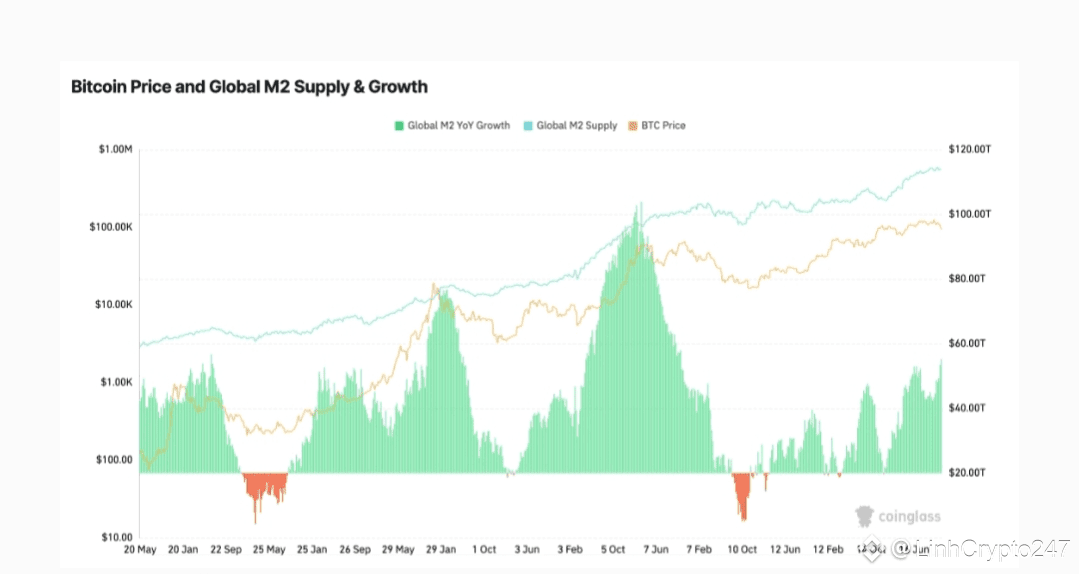
Bitcoin Now Trades Inside the Same Liquidity Cycle as TradFi
Since the arrival of spot Bitcoin ETFs, institutional market makers, systematic funds, and derivatives giants, Bitcoin has been permanently pulled into the macro liquidity cycle.
QT, Treasury issuance, money market flows, dealer balance sheets, and Fed tools like repo now directly influence institutions holding massive BTC exposure.
This explains why:
Bitcoin sometimes rallies with no on-chain news
Bitcoin sometimes dumps despite bullish crypto fundamentals
Liquidity — not crypto narratives — is often the missing link.
If repo demand fades quickly, the move was likely technical.
If repo usage repeats, SOFR stays elevated, and the Standing Repo Facility remains active, the signal shifts toward tightening conditions — which historically alters Bitcoin’s behavior dramatically.
Fragile Equilibrium Going Into Year-End
Right now, the market sits in a delicate balance:
ETF inflows have slowed
Yields are stabilizing
Liquidity is uneven into year-end
Risk appetite is selective, not broad
The $13.5B repo doesn’t change the macro picture — but it fits perfectly into it. Not alarming. Not relaxing. Just enough stress for Bitcoin traders to stay alert.
In a world where the “ease” of USD determines how much risk can survive, Bitcoin now trades exactly on that edge. And it’s always the edge that decides BTC’s next direction.
✅ Follow for real macro-driven Bitcoin insights
✅ Turn on notifications for liquidity-based market signals
#Bitcoin #Fed #RepoMarket #Liquidity

