

One thing that has always fascinated me about @Injective is how naturally it fits into the world of algorithmic trading. I have used plenty of APIs across different ecosystems, and it’s honestly rare to find one that feels like it was built with algorithmic traders in mind. Most APIs either work well enough or require so many workarounds that your algorithm ends up fighting the network more than the market. But Injective flips that experience completely. It feels like the #API is inviting you to build, test, refine, and execute strategies without friction.
The first time I interacted with the Injective API, I immediately sensed the difference. It wasn’t just the documentation although that was clean and surprisingly intuitive it was the way every component was designed to support real trading logic. Many chains don’t think about how an algorithm reads data, places orders, or consumes order book updates. Injective, on the other hand, clearly understands the mindset of someone writing trading logic. It is structured, predictable, and highly responsive, which is exactly what you need when milliseconds define the success of your strategy.
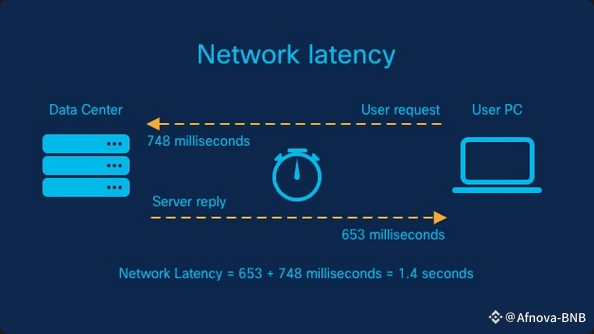
What really stands out is how Injective eliminates many of the obstacles that #Algos struggle with on traditional blockchains. For example, latency is a massive concern for algorithmic systems. If the API can’t stream data quickly enough or if execution lags, your strategy gets blindsided. On Injective, you don’t have that fear. The low-latency environment gives algorithmic traders the confidence that their logic will act on information fast enough to remain relevant. Markets move quickly, and Injective’s infrastructure keeps pace.
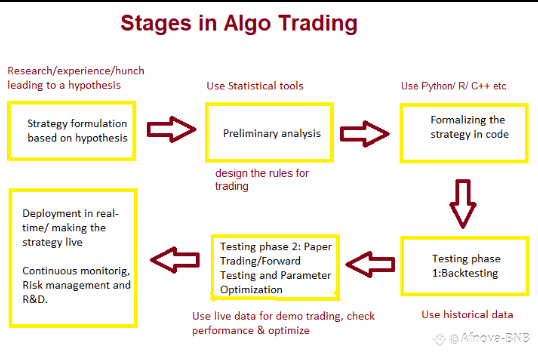
Another thing I appreciate is how Injective uses a combination of WebSocket streams and well-structured REST endpoints. For algorithmic trading, this combination is essential. WebSockets provide real-time updates on order books, trades, and market depth, while REST endpoints allow algos to fetch snapshots or place orders with precision. The responsiveness of these tools gives you the sense that you’re working directly with an exchange-level API, not a blockchain struggling to approximate one. And the accuracy of the data means you spend less time filtering noise and more time refining logic.
Because Injective is built specifically for financial applications, the API reflects that purpose. You can subscribe to order books with granular depth, track your active orders in real time, and respond instantly to changes in market conditions. This is a huge advantage because most blockchains don’t offer true order book data they rely on AMM structures, which limit what an algorithm can do. On Injective, algorithms can behave like they would on a professional exchange placing limit orders, reacting to liquidity, and building complex logic around market structure.
Something that surprised me was how well Injective handles concurrent operations. Many blockchains choke when you try to run multiple strategies, burst orders, or rapid cancellations. Injective just absorbs it. That robustness gives traders confidence to scale their operations. You don’t need to hold back your strategy or artificially throttle your system because the network can’t handle the speed. The API integration is designed to handle heavy workloads, which is exactly what algorithmic trading requires.
There’s a psychological benefit to all of this as well. When your API interaction is clean and predictable, you waste far less time debugging network issues. Instead of wondering, Did the chain drop my order? you can focus solely on refining your strategy. That shift in mental energy is huge. It’s the difference between building systems and babysitting them. Injective allows you to stay in a builder’s mindset creative, analytical, and productive because the foundation beneath you remains stable.
Another strength of the Injective API is how well it integrates with existing algorithmic trading stacks. Whether you use #python , Node.js, Rust, or custom infrastructure, the API is flexible enough to fit into whatever architecture you already have. This means traders don’t need to reinvent their system to access Injective’s markets. They can plug in their existing logic, backtest strategies, and deploy confidently. The interoperability with standard quant tools makes Injective feel like a natural extension of established trading workflows.
Order execution on Injective also feels reliable in a way that’s uncommon in blockchain environments. Because the underlying network is optimized for financial performance, orders execute consistently even during spikes in volatility. For algos that rely on precise timing, this predictability is essential. Delays or misfires can completely change strategy outcomes, especially in competitive trading environments. Injective’s infrastructure was clearly built to solve that problem.
Even the error handling and response formats are thoughtfully designed. When you’re writing strategy logic, vague or inconsistent API responses can derail everything. Injective provides clear structures, readable error messages, and data you can act on quickly. As strange as it sounds, even good errors matter in algorithmic trading they help you refine your logic without losing time.
What I also love is that Injective’s API doesn’t limit you to simple execution strategies. You can build arbitrage bots, market-making systems, liquidity-provision models, scalping algorithms, and much more. The network’s speed and architecture support advanced strategies that many blockchains simply can’t accommodate. This unlocks a wider creative space for traders who want to move beyond basic automated trading into more dynamic, sophisticated approaches.
In addition, the ecosystem around Injective provides resources and examples that make it easier for traders to iterate. Developers openly share tools, scripts, and integrations that plug directly into the API. This sense of collaboration helps even beginners enter algorithmic trading, while giving experienced traders the depth they need to scale their systems. It’s an environment where innovation feels encouraged rather than constrained.
What makes Injective’s API integration so powerful is that it understands what algorithmic traders actually need: speed, consistency, clarity, and reliability. It doesn’t force traders to bend their logic around blockchain limitations. Instead, it gives them an infrastructure that respects how real algorithmic systems operate.
When I combine that with Injective’s high-performance engine, institutional-grade security, and multi-chain connectivity, you end up with one of the most complete environments for algorithmic trading in the entire crypto space.
