

When Real-World Assets and Blockchain Technology Potentially Create New Liquidity Systems
Falcon Finance emerges as an entity trying to redesign the concept of collateral and liquidity in crypto. Instead of solely relying on major cryptocurrencies as collateral, this project opens up options: digital assets, stablecoins, tokenized real-world assets (RWA), and instruments such as gold or already tokenized securities can be used as a basis to mint a synthetic stablecoin named USDf. This means that asset ownership can remain intact while also serving as a source of liquidity when needed.
The year 2025 becomes a transformation phase for Falcon. After the launch of the utility & governance token FF, this project affirms its ambitious roadmap. Collateral will not only come from crypto or stablecoins; tokenized securities, token gold, and real-world financial assets are now starting to enter the scheme. The tokenization process is followed by audits and a transparent guarantee system so that USDf remains reliable.
With this mechanism, Falcon provides an alternative for users who want capital flexibility without having to liquidate their assets. For example, someone holding long-term assets, token bonds, digital gold, or stablecoins can maintain ownership while using on-chain liquidity for other needs or investments. Thus, both traditional and digital assets can work in tandem.
From a technological and institutional perspective, Falcon's steps demonstrate seriousness. It's not just an idea. The system has been audited, tokenomics is regulated through independent governance entities, and the collateral structure is designed to meet standards, a combination of DeFi spirit and institutional caution.
The greatest potential of this model emerges when the crypto market is unstable. With a more diverse set of underlying assets, not just volatile crypto, users can experience relative stability while remaining within the blockchain ecosystem. In periods of crisis or crypto price fluctuations, options like tokenized RWA could serve as a buffer, making DeFi utility broader and more resilient to market shocks.
However, all these opportunities come with great responsibility. Tokenization of real-world assets and integration with traditional finance means regulations, audits, transparency, and risk management must be tightened. Otherwise, projects with big ideas can lose user trust, and their reputation can collapse.
For retail users, projects like Falcon can mean freedom in managing assets and capital. But for institutional investors, this model can pave the way for combining traditional and crypto portfolios, allowing asset diversification while still leveraging on-chain liquidity.
Conclusion
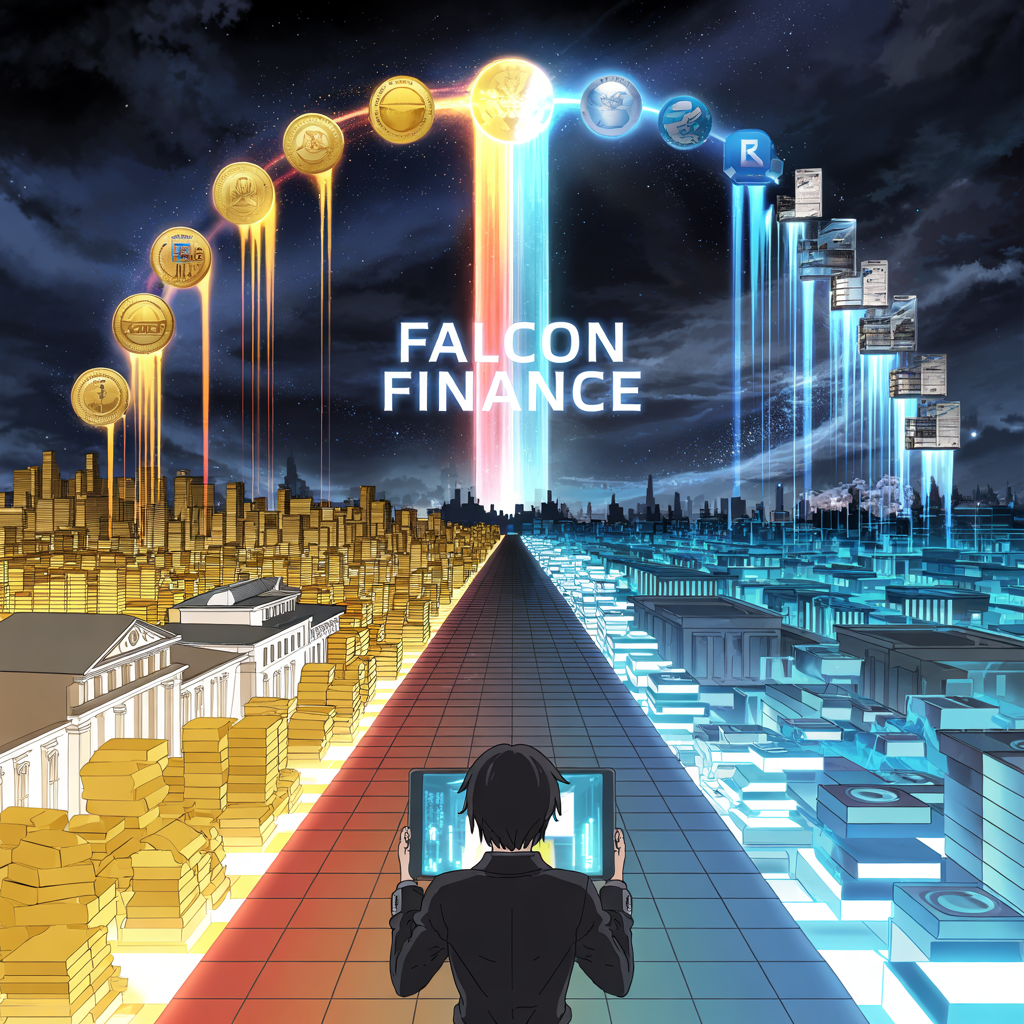
Falcon Finance stands at the intersection of tradition and innovation. By bringing real-world assets closer to DeFi through tokenization and synthetic stablecoins, this project opens new possibilities in asset management and liquidity. If execution, transparency, and risk management are carried out wisely, Falcon could become an important bridge to a more inclusive and flexible digital financial system.

