

Instead of discussing vague visions, let's talk about specific problems.
In the past, when using DeFi, you must have encountered these troubles: the transaction speed is frustratingly slow, the transaction fees are painfully high, transferring assets between different chains feels like overcoming heavy obstacles, and those sneaky front-running trading bots.
The entire technical design of Injective, in my opinion, is aimed at addressing these pain points, providing solutions one after another.
It may not be flashy, but it is quite practical.
First, it addresses the issues of speed and cost: a chain built specifically for trading.
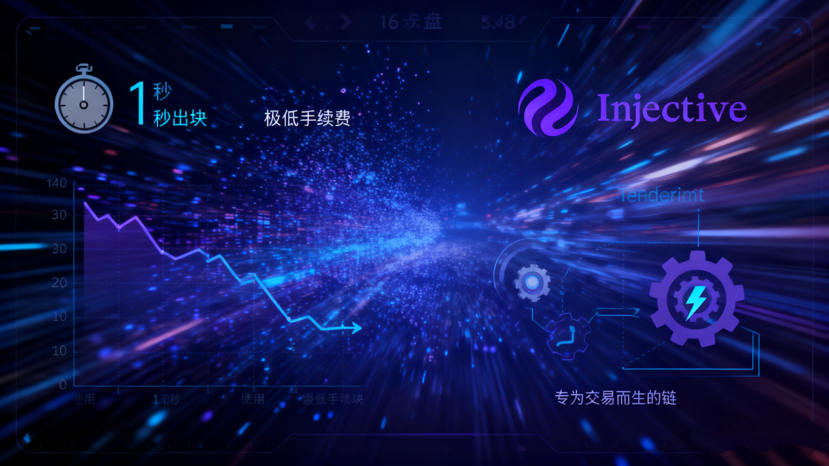
Injective is not a general-purpose computer that tries to handle everything; it is fundamentally a chain focused on financial transactions.
It uses a consensus mechanism called Tendermint, which makes its block time extremely fast, taking about only one second, and transactions cannot be rolled back once completed.
What does this mean for you?
It means that when you place an order to buy or sell, you almost instantly know the result without anxiously waiting for dozens of confirmations.
At the same time, due to the network's efficiency, its average transaction cost is very low.
Fast and cheap, this is the most fundamental and important experience in financial transactions.
Second, it breaks asset silos: native cross-chain capabilities.
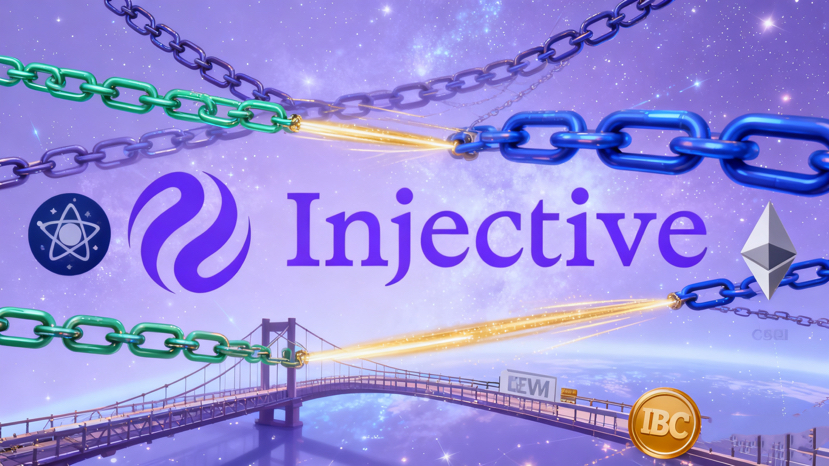
Many chains need to rely on external, sometimes less secure 'bridges' to bring in external assets.
Injective is different; it has built-in cross-chain functionality at the protocol layer. Through a protocol called IBC, it can communicate and transfer assets securely and seamlessly with other chains within the Cosmos ecosystem.
More importantly, it can now directly connect to Ethereum's vast asset world through its native EVM compatibility.
This means that the path for assets to enter Injective is wider and safer, and the range of trading assets is greatly enriched.
Third, it directly addresses trading fairness: combating MEV bots.
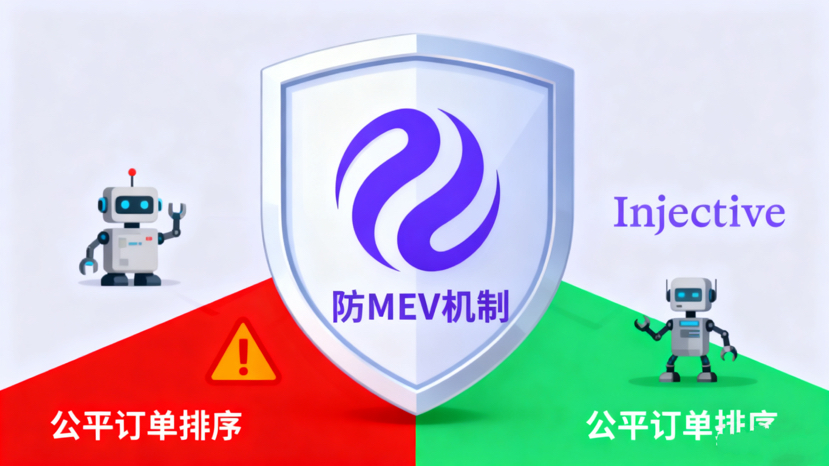
MEV refers to the behavior of bots profiting by front-running or inserting themselves before your trades, harming the interests of ordinary traders.
Injective directly integrates mechanisms to prevent MEV at the protocol layer. It strives to ensure that your transactions are not preyed upon by bots through fair order sorting and other methods.
Establishing a fair trading environment on a finance-centric chain is not an add-on but a necessity.
Fourth, it lowers the construction threshold: connecting the largest developer community with EVM.
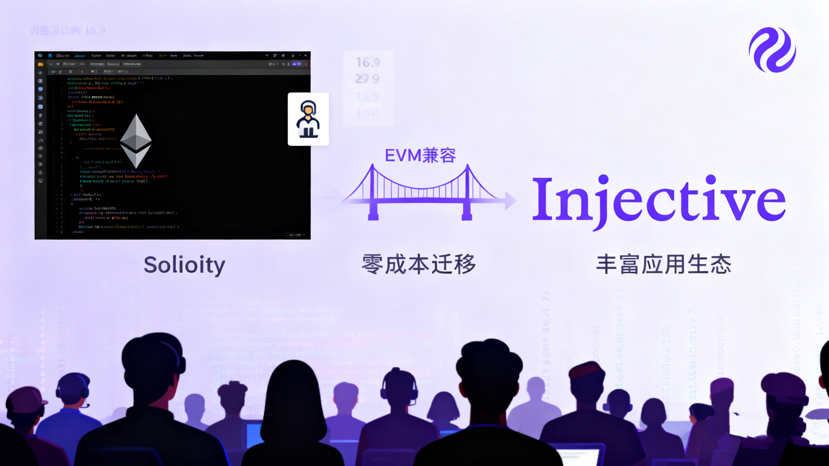
Having just the underlying technology is not enough; it also needs rich applications on top. This is the significance of launching the native EVM.
It is not about following trends but a strategic choice.
It allows millions of developers on Ethereum to port or deploy their applications to Injective with almost no cost using the most familiar tools (like the Solidity language).
For developers, the migration cost is almost zero; for users, this means they can quickly enjoy rich and mature financial applications. Technology ultimately serves the prosperity of the ecosystem.
Fifth, the MultiVM vision: openness towards the future.
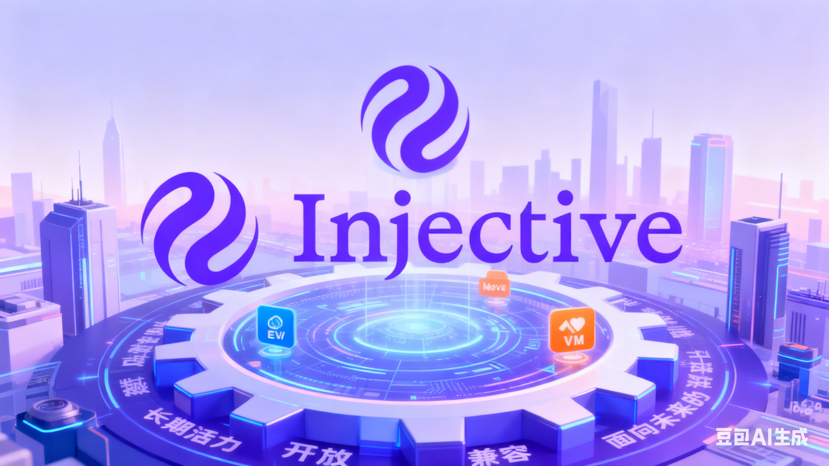
Injective's ambition goes beyond EVM.
Its MultiVM vision means that in the future it can also be compatible with other mainstream virtual machine environments, such as the Rust-based Move VM.
This reflects a technical calmness and openness: not locking itself into a single technical path. Regardless of what tools the developer community prefers in the future, Injective is ready to provide a high-performance stage. This ensures the long-term vitality of its technical life.
So, in summary, Injective's technical path is very clear and pragmatic.
It does not chase the hottest, flashiest but possibly impractical concepts; instead, it goes back and solidly addresses several core obstacles hindering the popularization of finance on-chain.
Slow
Expensive
Disruption
Unfair
Difficult to develop
It is more like a steady engineer, designing the foundation, structure, and pipelines of the financial transaction building to be solid, efficient, and reserved for expansion.
When these underlying troubles are resolved one by one, it is then possible for truly complex financial applications to grow and be used by the public.
I think this may not be the most emotional narrative, but it might be the support that DeFi needs to move to the next stage.
