
Every time I look at the evolution of crypto investing, I’m reminded of how quickly user expectations have shifted. When I first started analyzing on-chain opportunities years ago, the landscape was dominated by high-volatility tokens, speculative narratives, and opaque yield sources. Today, the conversation is shifting toward structured products transparent strategies and institutional grade risk frameworks. That’s why Lorenzo’s tokenized funds caught my attention. In my assessment, they represent one of the clearest signals that crypto investing is maturing into something more stable, more understandable, and more aligned with traditional portfolio thinking.

Tokenization itself is not a new concept, but the way Lorenzo implements it is different. Instead of just wrapping assets or issuing synthetic versions of existing tokens. Lorenzo creates a complete fund like experience on-chain with strategy descriptions risk disclosures automated rebalancing and transparent performance metrics. It reminds me more of an ETF structure than a typical DeFi product especially when I compare it to data from BlackRocks digital assets report indicating that tokenized funds could grow into a multi trillion dollar market by 2030. When I place Lorenzo against that backdrop, the timing feels almost perfect.
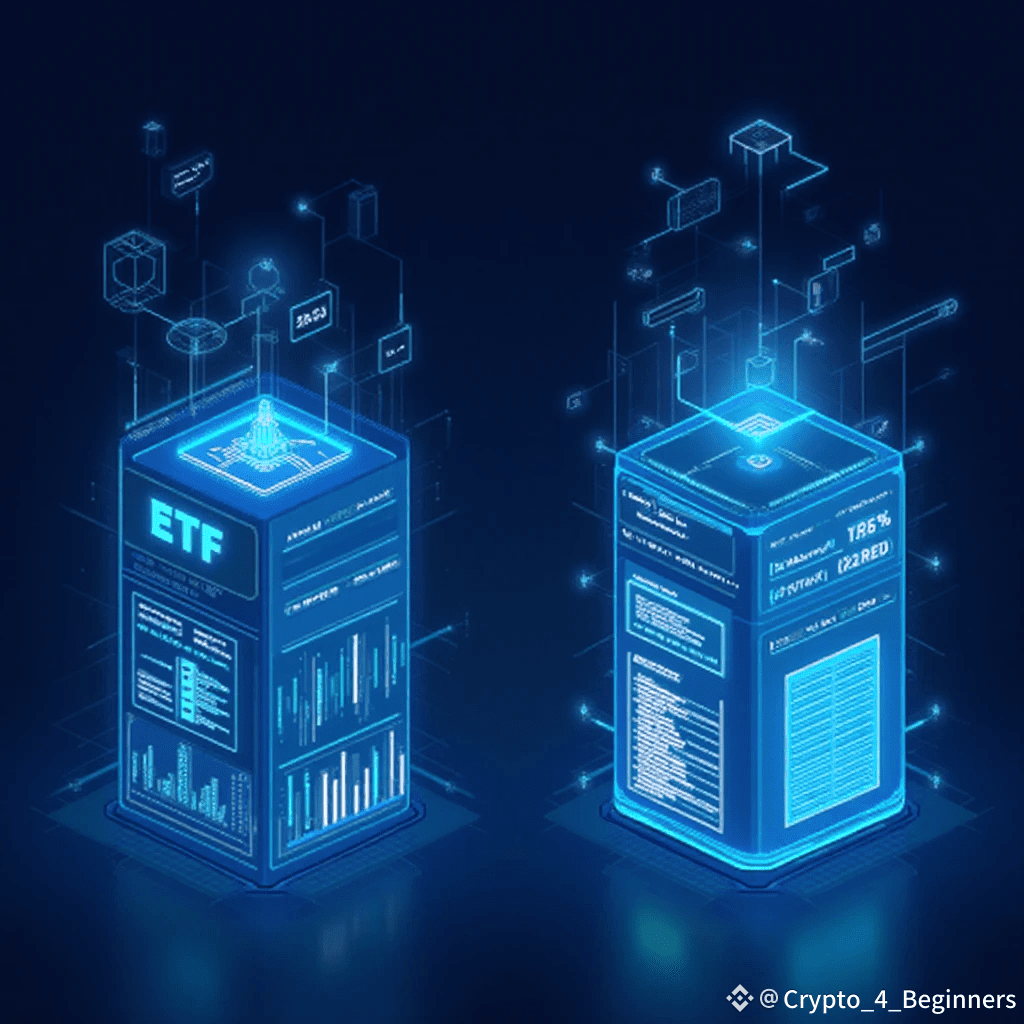
Where Tokenized Funds Fit Into the Bigger Market Trend
The broader digital asset market is already signaling a shift toward structured investment products. According to a 2024 report from Boston Consulting Group, the tokenization of real-world assets is projected to reach $16 trillion by 2030. That number isn’t speculative hype; it reflects strong institutional interest in shifting traditional investing infrastructure onto blockchain rails. Meanwhile, data from CoinGecko shows that liquid staking derivatives alone have grown to over $54 billion in TVL, becoming the largest category in DeFi. These two trends tokenization and yield structuring are converging faster than most retail investors realize.

My research suggests that Lorenzo’s tokenized funds are positioned exactly at this intersection. The protocol allows users to access diversified strategies without having to manage individual positions or track multiple protocols manually. I often draw an analogy to mutual funds: just as a fund simplifies diversified exposure in traditional finance, Lorenzo simplifies layered on-chain strategies. When I step back and ask myself why this matters, the answer is simple. Complexity has been one of the biggest barriers stopping everyday users from joining DeFi. Tokenized funds turn that complexity into something digestible, transparent, and automated.

One chart I imagine that would help users understand this shift would plot the growth of tokenized assets against the rise of structured crypto products. Seeing both curves accelerate over the past two years would visually demonstrate the demand for simplified, institutionally inspired investment vehicles in the crypto space. These visuals often make the narrative clearer than words.
Lorenzo also benefits from the rising demand for trust-minimized yield. According to Messari's 2024 DeFi sector analysis nearly 70 percent of the sectors past failures were tied to unsustainable incentives or opaque mechanisms. Lorenzo appears to be taking the opposite route. It emphasizes clear disclosures, strategy-level transparency, and risk metrics that users can verify themselves. In my assessment, this is the foundation of long-term adoption.
A Closer Look at Strategy Transparency and User Accessibility
One thing I appreciate as someone who analyzes protocols regularly is the visibility Lorenzo provides into how the tokenized funds actually work. Many DeFi platforms list an APY and call it a day. Lorenzo instead breaks down how yield is generated across staking restaking market neutral strategies and structured yield products. This level of explanation reminds me of the fund fact sheets you would see in traditional finance where exposure objectives and risk profiles are clearly laid out.
Another data point relevant here is the increase in institutional style strategies flooding into DeFi. The Block reported earlier this year that arbitrage based and delta neutral protocols saw a 40 percent increase in usage during high volatility months in 2024. When I pair this with Lorenzo’s focus on predictable, risk managed strategies it becomes clear why tokenized funds are appealing. They capture this institutional behavior but deliver it to users in a format that looks effortless.
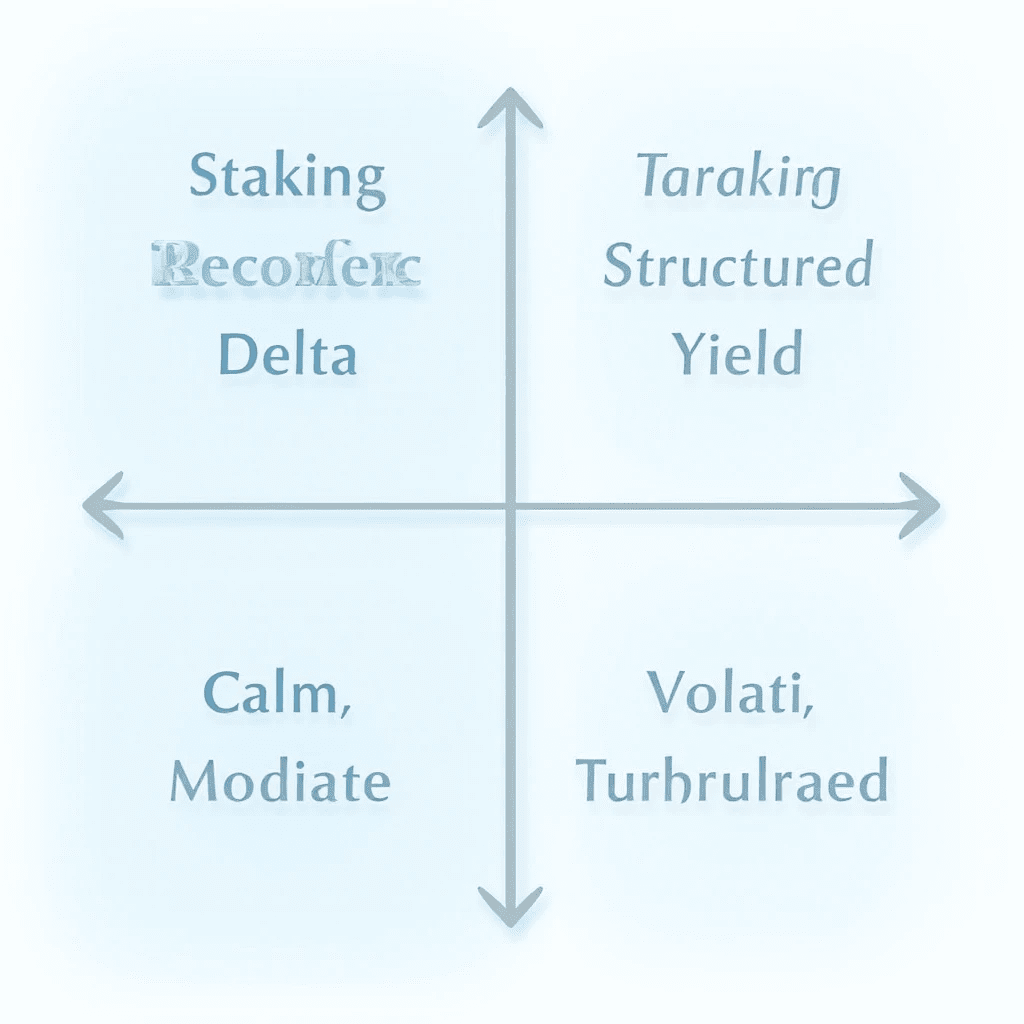
In one conceptual table I imagine listing different yield sources on one axis and volatility levels on the other. This table would show how each strategy responds under calm moderate and turbulent market conditions. For users who aren’t familiar with market structure, seeing these relationships visually could transform their understanding of how diversified yields behave.
The accessibility angle is equally important. In my assessment, the biggest competitive advantage Lorenzo has is not its technical depth but its design philosophy: making institutional tools available to everyday users without requiring institutional expertise. I’ve seen so many protocols build impressive, complex systems that ultimately attract only advanced traders. Lorenzo seems to have intentionally chosen a different path.
Understanding the Risks and Appreciating the Trade Offs
As promising as tokenized funds are, it would be unrealistic to ignore the structural risks. Smart contract vulnerabilities remain the biggest concern in any on-chain system. CertiK’s 2023 report highlighted that over $1.8 billion was lost due to smart contract exploits in a single year. That statistic alone is enough to remind anyone myself included that even the most transparent systems carry inherent risk.

I also pay close attention to strategy dependence. Even tokenized funds that are spread out can have problems when the market is very correlated. We saw this happen in 2022 and again in mid-2024 when there were a lot of changes in the market and almost all digital assets moved together. Tokenized funds reduce risk through diversification and automation but they can not eliminate systemic shocks. In my assessment users should treat these products like balanced portfolios: tools for smoothing volatility not avoiding it entirely.
I also think that being open about things can be a bad thing. Lorenzo's disclosures make people trust him more, but they also make people expect more from him. Community sentiment can change quickly if performance is very different from what was planned, even for a short time. DeFi users tend to be more reactive than traditional investors and protocols with fund like structures must continuously communicate performance and risk management clearly.
A Trading View on Lorenzo and What Comes Next
From a trading standpoint I always look at both fundamental traction and market structure. If I analyze Lorenzo’s token performance relative to sector sentiment. I would watch the $1.04 to $1.10 region as a potential accumulation zone especially during periods where ETH consolidates and risk appetite rotates into yield focused assets. If momentum picks up, a breakout above $1.36 could mean that the market is moving into a new trading range that is supported by more money coming in.

A chart that would go well with this analysis could show how the price of tokens has changed over time, along with the growth of total value locked. Historically, protocols that steadily increase their TVL also have less volatile bands and a more stable price structure. This is evident from the data published by Token Terminal in early 2024 on several DeFi networks.
The differences between Lorenzo and other models become clearer when I compare them. EigenLayer is very focused on restaking, but it also has a risk of being correlated with the Ethereum validator network. Pendle is great at yield tokenization and fixed-duration yield markets, but it makes users make timing decisions that many beginners find hard. Maker is stable because it is exposed to RWA, but it is not as flexible or fast as on-chain automated strategies. Lorenzo’s tokenized funds sit in a space between all three: diversified like Maker dynamic like EigenLayer and yield-focused like Pendle but packaged in a far more user friendly wrapper.
In my assessment, this hybrid positioning is exactly what makes Lorenzo compelling. It doesn’t try to dominate one niche; it tries to unify multiple yield possibilities into one transparent, automated product. For a retail user who doesn’t want to manage complex positions, that’s a powerful value proposition.
My Thoughts on What Tokenized Funds Mean for the Future
The more I consider where the crypto market is headed, the more I come back to the thought that the next wave of adoption will come from products that feel familiar, safe, and structured. Tokenized funds meet all three criteria. They carry the transparency of blockchain, the automation of smart contracts, and the clarity of traditional fund design. That combination, in my view, is exactly what users want as the market matures.
The relevance of Lorenzo's method lies not just on its constructs but also on its symbolism, which is the transition from a culture of speculation to one of structure and risk management in investing. Protocol tokenized funds could simply become a template for how on-chain diversification should work, granting easy and predictable access in an industry renowned for its unpredictability.
If tokenization truly becomes a multi-trillion-dollar market as several research firms including BCG and BlackRock suggest then early movers like Lorenzo may find themselves leading one of the most important transitions in digital asset history. In my assessment, the groundwork is already visible. What comes next will depend on adoption, transparency, and continued execution.
But one thing feels certain to me: tokenized funds are not a trend. They’re a turning point. And Lorenzo might be one of the protocols that defines how this new era begins.



