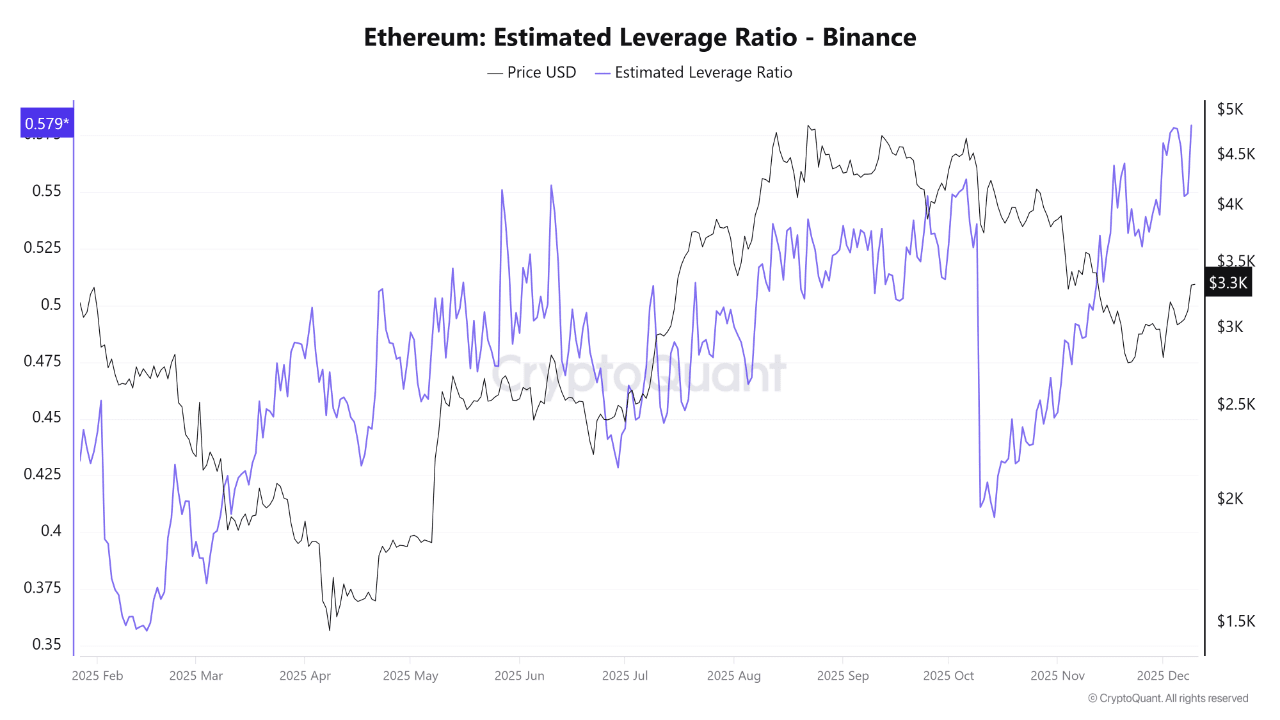
The flow of stablecoins has pressured Bitcoin
Bitcoin has recently dropped like this; it's unfair to say it’s uncooperative. The problem is simply that the market is poor. Stablecoins are the 'lifeblood' of the entire crypto circle, but since August, ERC-20
The 7-day average inflow of stablecoins to exchanges has dropped from $158 billion to $76 billion. This is not just anemia; it’s a direct loss of half. Even the 90-day average has slid from $130 billion to $118 billion, completely declaring: this market is long-term water-scarce. Without money, don’t expect to pull hard; Bitcoin occasionally bounces back, relying on 'fewer sellers,' not 'more buyers.' So don’t expect to rely on good news to roar out a bull market; the stablecoin fleet needs to return for the bull market to have fuel; until then, Bitcoin can only bang its head and sigh under the liquidity ceiling.
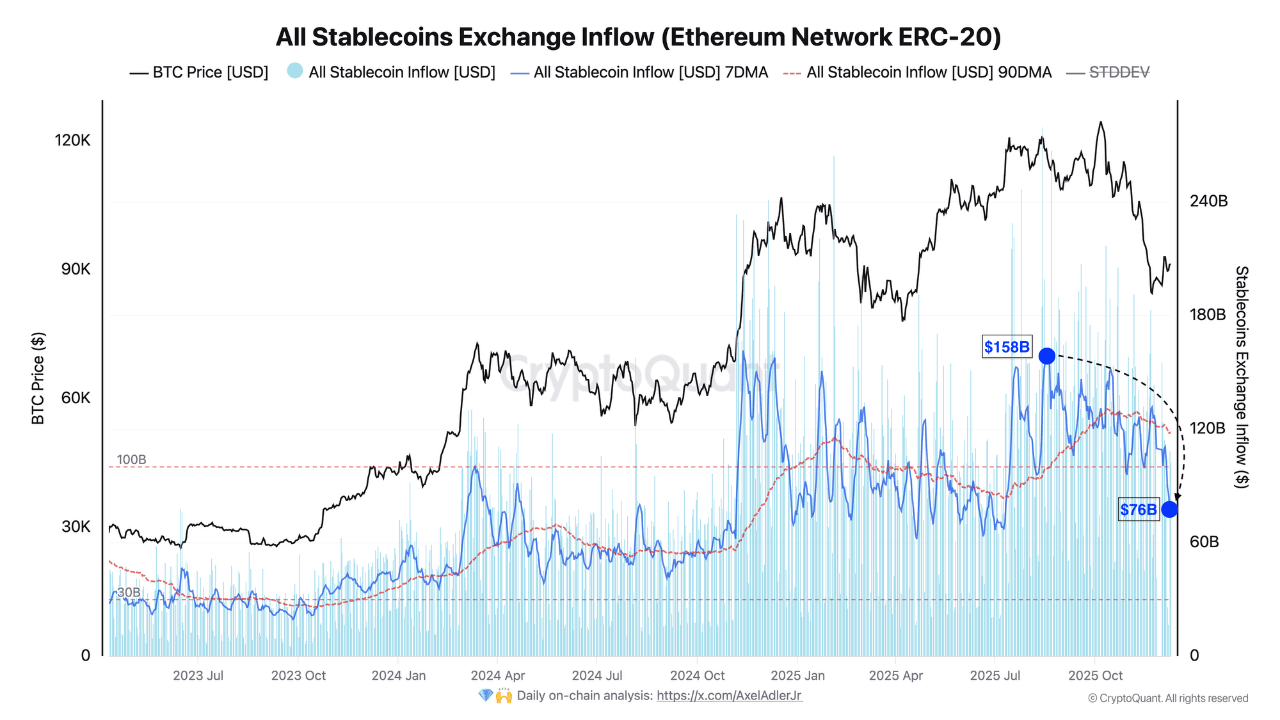
NUPL dips but remains robust
The net unrealized profit and loss ratio of Bitcoin, NUPL, has slid down to 0.39, making it look like 'oh no, it's over', but it is still in the 'overall profit zone', indicating that most people are not thinking of selling and are holding their positions more steadily than anyone else. Historically, this range has never been a 'crash signal'; it feels more like institutional investors quietly accumulating again while wearing sunglasses. However, the current market is stuck in an awkward position at the intersection of bull and bear, neither up nor down, as everyone waits for a plot twist. Until the trend changes direction, increasing positions should be cautious, and risk must come first; otherwise, the fluctuations could give you a harsh wake-up call at any time. Looking back at past cycles, as long as NUPL falls within this 'low but not panicking' range, it has often been a good mid-term layout point, rather than a time to run away. In short, it now feels more like the market is playing dead to test patience, rather than scaring you into fleeing; what should really be avoided is getting tricked out of the market by this dull fluctuation.
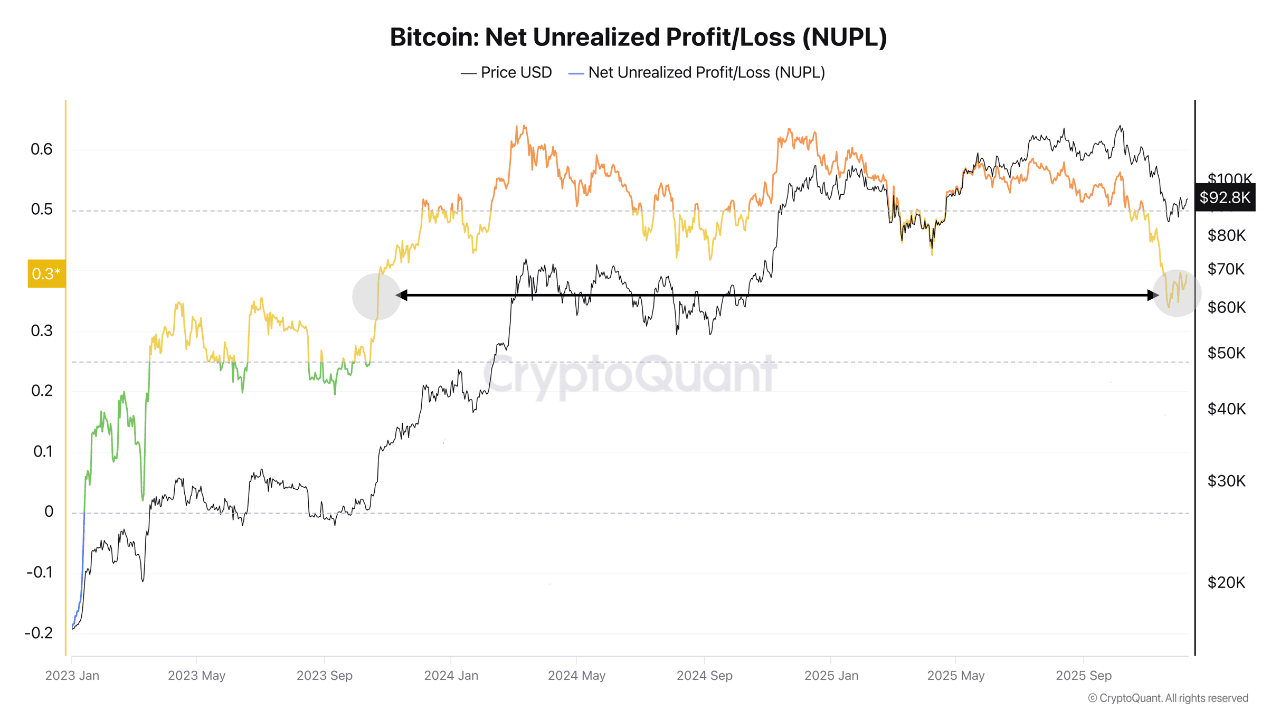
Ethereum leverage explosion risk
The leverage ratio of Ethereum, ELR, has skyrocketed to 0.579, setting a new historical high. In simple terms, the entire market is now relying on leverage to hold its breath. Derivatives are surging faster than spot, and the market is being stretched thinner than glass; as soon as the price wobbles slightly, forced liquidations could chain-react like dominoes. ETH appears quite impressive around $3300, but if you take a closer look, you'll realize that it's not new money pushing it up but the leverage creating a bubble. If ELR stays high for a long time without coming down, a correction could directly turn into a 'heavy blow'; conversely, if the price can still rise while leverage obediently reduces its weight, then the market can be considered truly healthy. So right now, watching ETH is not about how pretty the candlestick charts are, but rather how high ELR is - this thing is Ethereum's 'heart rate monitor'; if it jumps too fast, it will eventually falter.