
@USDD - Decentralized USD #USDD以稳见信
In the current decentralized finance (DeFi) field, various stablecoin mechanisms are constantly innovating. This article aims to provide a technical analysis of the design mechanism of the USDD stablecoin from a neutral and objective perspective, and comprehensively highlight the related risks. This article does not constitute any investment advice, as the cryptocurrency market is highly volatile. Please ensure to conduct independent research and perform risk assessments before participating.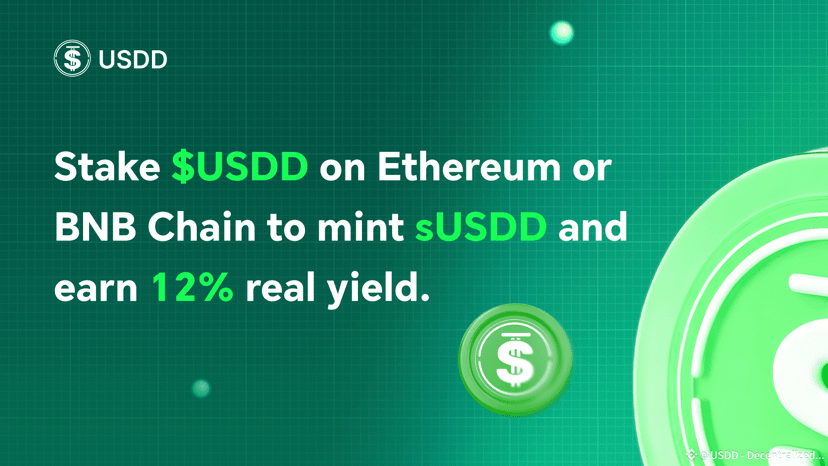
1. Yield mechanism analysis: Over-collateralization and asset allocation strategy
The yields claimed by the USDD protocol mainly come from its designed 'Smart Allocator' system. The operation of this system can be briefly summarized in two steps:
1. Over-collateralized issuance: USDD is generated using an over-collateralization model. Users or protocols collateralize cryptocurrencies such as TRX, BTC, USDT, etc., into smart contracts and mint USDD based on this collateral. Public on-chain data shows that its collateralization ratio typically remains at a high level, which forms the basis of its value support.
2. Yield-bearing asset strategy: Smart contracts will allocate the collateralized assets held in custody to multiple security-audited DeFi lending protocols (such as JustLend) through algorithms. The resulting deposit interest and other income constitute one of the sources for distributing returns to USDD holders. This strategy aims to generate income from idle collateralized assets rather than profit through high-risk leveraged trading.
2. Stability mechanism analysis: The role of the Price Stability Module (PSM)
A key module that maintains USDD's price stability pegged to the US dollar is the Price Stability Mechanism (PSM). This mechanism has designed an economic model based on arbitrage incentives:
· When the market price of USDD is below 1 US dollar: Arbitrageurs can buy USDD in the secondary market and exchange it for its supporting assets (such as USDT) at a 1:1 ratio through PSM, thereby obtaining arbitrage profits. This behavior will increase market demand for USDD, theoretically pushing its price back to the pegged price.
· When the market price of USDD is above 1 US dollar: Arbitrageurs can deposit supporting assets into the system to mint new USDD at a cost of 1 US dollar and sell them in the market. This behavior will increase the market supply of USDD, theoretically having a dampening effect on its premium.
The design goal of the PSM module is to combine market price maintenance with the rational economic behavior of arbitrageurs through open and verifiable arbitrage opportunities.
3. Transparency and verifiability
The USDD protocol emphasizes the on-chain transparency of its operations. According to its public information, the addresses of its main collateral assets, the exchange records of the PSM, and some fund flow data can be publicly queried on blockchain explorers. This design allows the community to independently verify some of its core commitments (such as the status of collateral) on-chain.
4. Comprehensive risk warnings that need attention
While understanding its mechanism design, any participation in DeFi must fully recognize the multiple risks involved:
1. Market and liquidity risk: The cryptocurrency market itself is highly volatile. If the price of the collateral assets supporting USDD experiences a sharp decline, it may affect the adequacy of its collateralization ratio. Under extreme market conditions, any DeFi protocol may face liquidity pressure.
2. Smart contract and technical risks: The smart contracts on which USDD relies, as well as the external DeFi protocols it integrates (such as JustLend), may encounter vulnerabilities, hacking attacks, or technical failures, which could lead to asset loss.
3. Systemic risk: DeFi protocols are closely interconnected. If the main lending protocol integrated with USDD encounters problems, risks may transmit to the USDD system.
4. Dependence on specific ecological and centralized risks: USDD is deeply tied to the TRON ecosystem, with its development, governance, and security relying to some extent on the actions and decisions of TRON DAO and related teams. Users need to evaluate the trust assumptions involved.
5. Regulatory and policy risk: Regulatory policies regarding stablecoins and DeFi are still rapidly evolving globally, and future legal and regulatory changes may significantly impact protocol operations.
6. Yield fluctuation risk: The yield provided by USDD is not fixed; it depends on the interest rate changes in the underlying DeFi market and the incentive policies of the protocol itself, all of which can be dynamically adjusted.
Conclusion
USDD demonstrates a stablecoin model that combines over-collateralization, on-chain asset yield, and arbitrage stabilization mechanisms. For investors, the key lies in going beyond simple yield figures to deeply understand its underlying operational logic, boundaries of transparency, and the various risks listed above.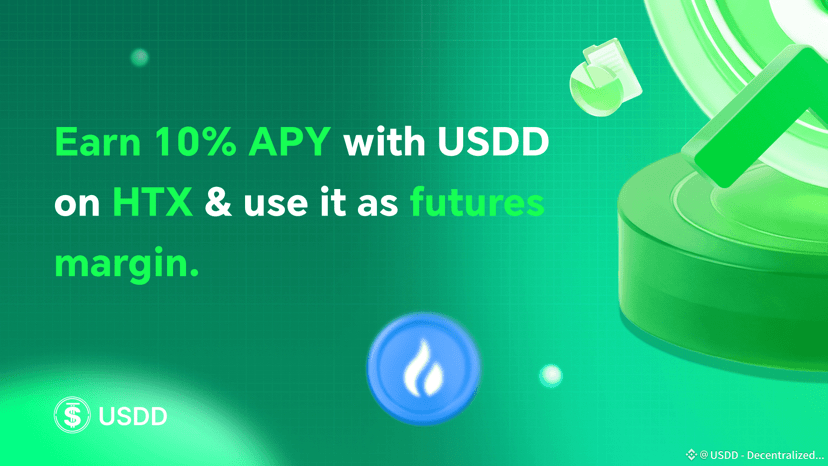
Before participating in any DeFi project, it is recommended that users:
· Rely primarily on official published information and publicly available on-chain data for research.
· Fully understand the protocol mechanism and recognize the technical and gaming risks that may exist behind the concept of 'code is law'.
· Make decisions cautiously according to your own risk tolerance.

