



The end of 2025 is shaping up to be one of the most watched moments by the crypto community. Bitcoin is advancing with a more mature ecosystem, strong institutional participation, and a macroeconomic environment full of nuances. Against this backdrop arises the inevitable question: are there sufficient fundamentals for BTC to reach or exceed $110,000 in December 2025?
More than chasing an exact figure, this analysis seeks to understand the forces shaping the market and what signals could transform a good year-end close into a memorable rally.
A market that no longer resembles its previous cycles
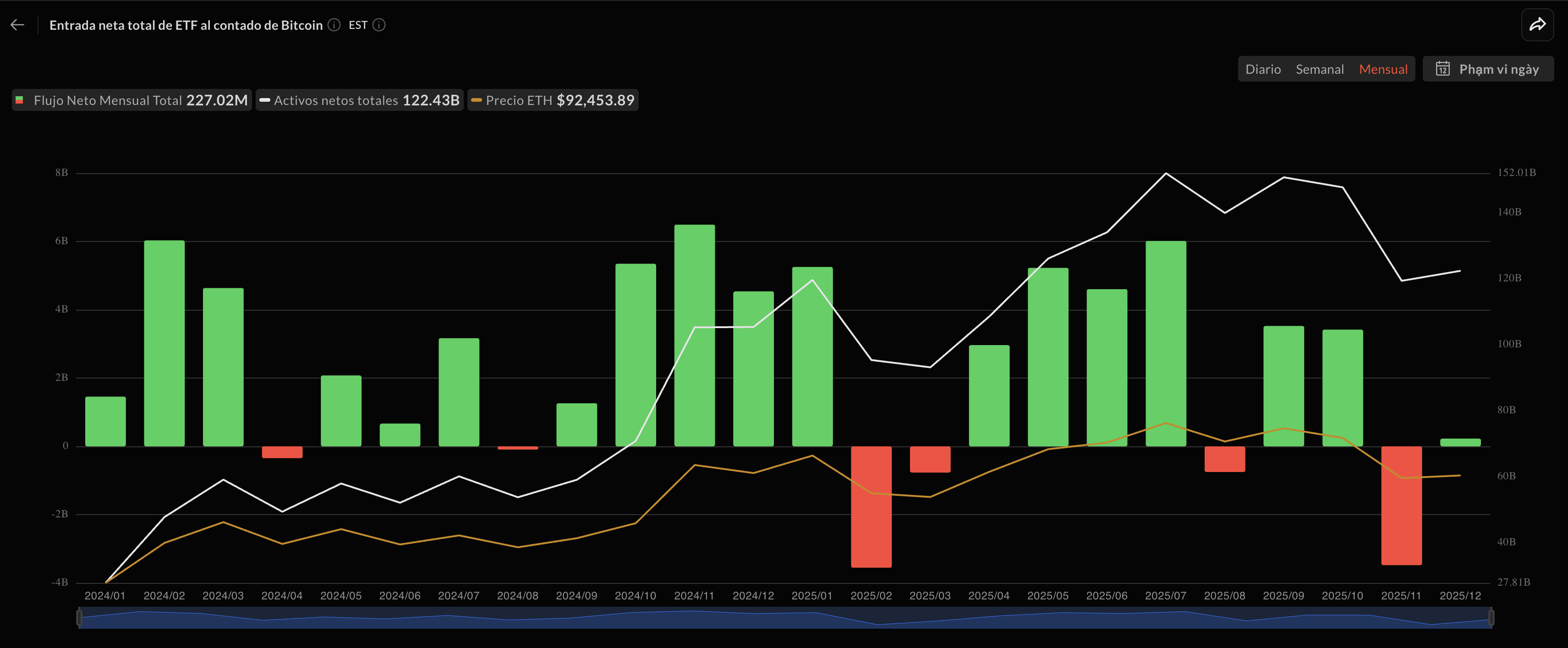
Bitcoin no longer moves solely at the pace of retail investors. The weight of spot ETFs and the sustained entry of institutional capital have changed the dynamics: today, large flows tend to be more methodical, less emotional, and with a long-term vision.
That transition has marked a key difference: when institutions enter, they are not thinking in weeks; they are thinking in years. And that creates a more robust buying base, even in times of uncertainty.
The reduction of supply and its silent effect
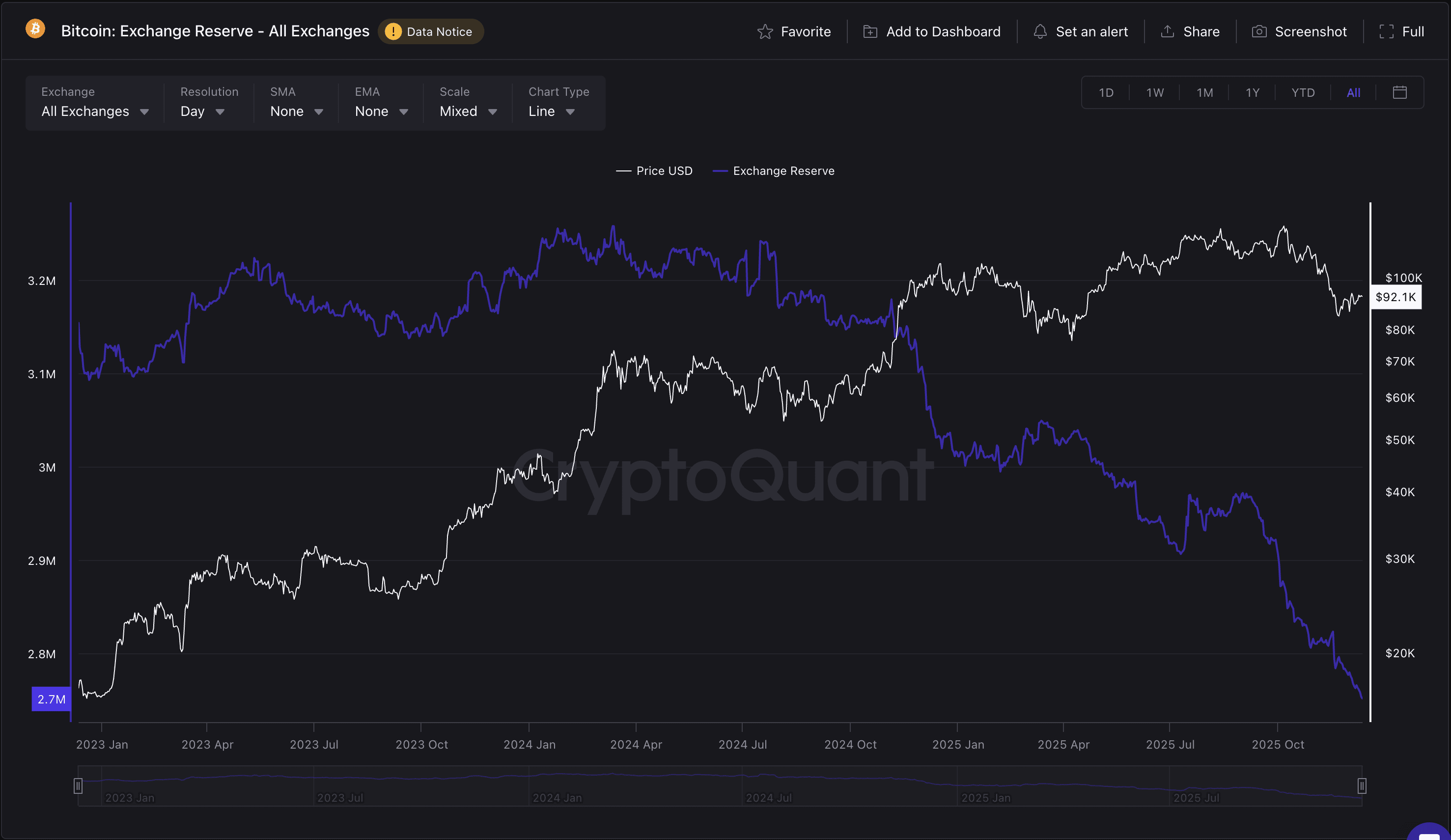
Each post-halving cycle has its own story, but they all share a common trait: the available supply on exchanges tends to decrease. In 2025, this pattern has strengthened.
Large holders are moving less BTC to trading platforms, a typical behavior of sustained accumulation. And when liquid supply decreases in a stable or growing demand environment, the market usually responds with upward pressure.
Mining, expectations, and selling pressure
After the halving, miners returned to operate under tighter margins. Interestingly, this does not always imply massive sales; on the contrary, many opt for more contained strategies, waiting for better prices before liquidating part of their reserves.
The result: a more moderate selling pressure, which can become an indirect catalyst for upward movements.
The macro factor that can still tip the balance
Global monetary policy remains a central player. Rate cuts, liquidity expansions, or a relaxation of financial conditions tend to benefit scarce assets like Bitcoin. In contrast, a prolonged period of tightening would slow down any rally.
The key here is not to predict decisions, but to understand how the macro narrative influences risk appetite.
With this mixed outlook between supply, mining, and macro signals, an inevitable question arises about the direction of the market.
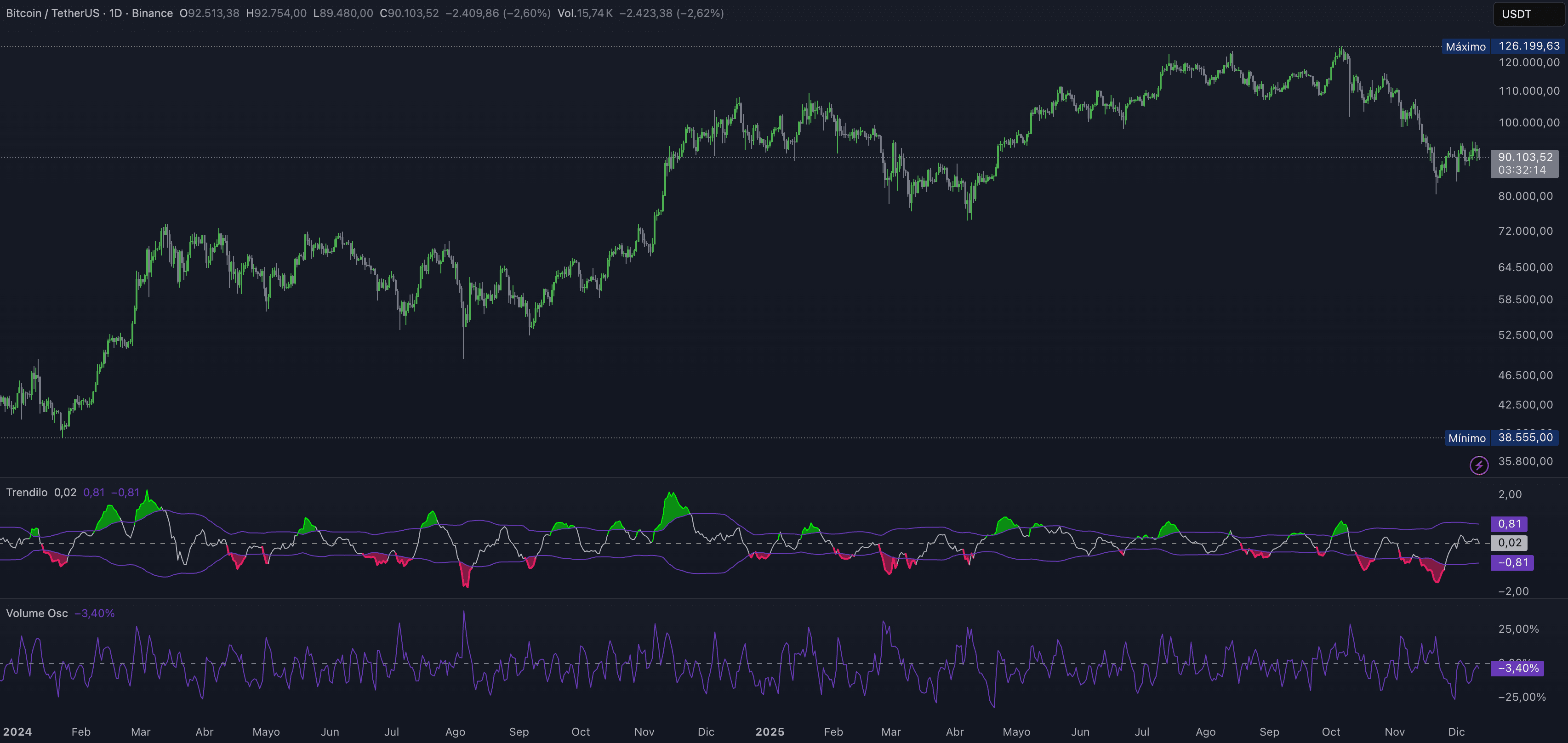
Is the path clear towards $110,000?
Nothing guarantees a specific price, but there are indicators that suggest a favorable scenario: sustained institutional entry, reduced available supply, on-chain accumulation, and a global narrative of scarce assets.
However, there are also risks that need to be monitored:
Stricter regulations in key markets
Global liquidity drops
Geopolitical volatility
Excess leverage in derivative markets
The balance between these drivers and risks will set the tone for December 2025.
Before closing the analysis, it is worth looking at internal network signals that help understand the depth and quality of the movement.
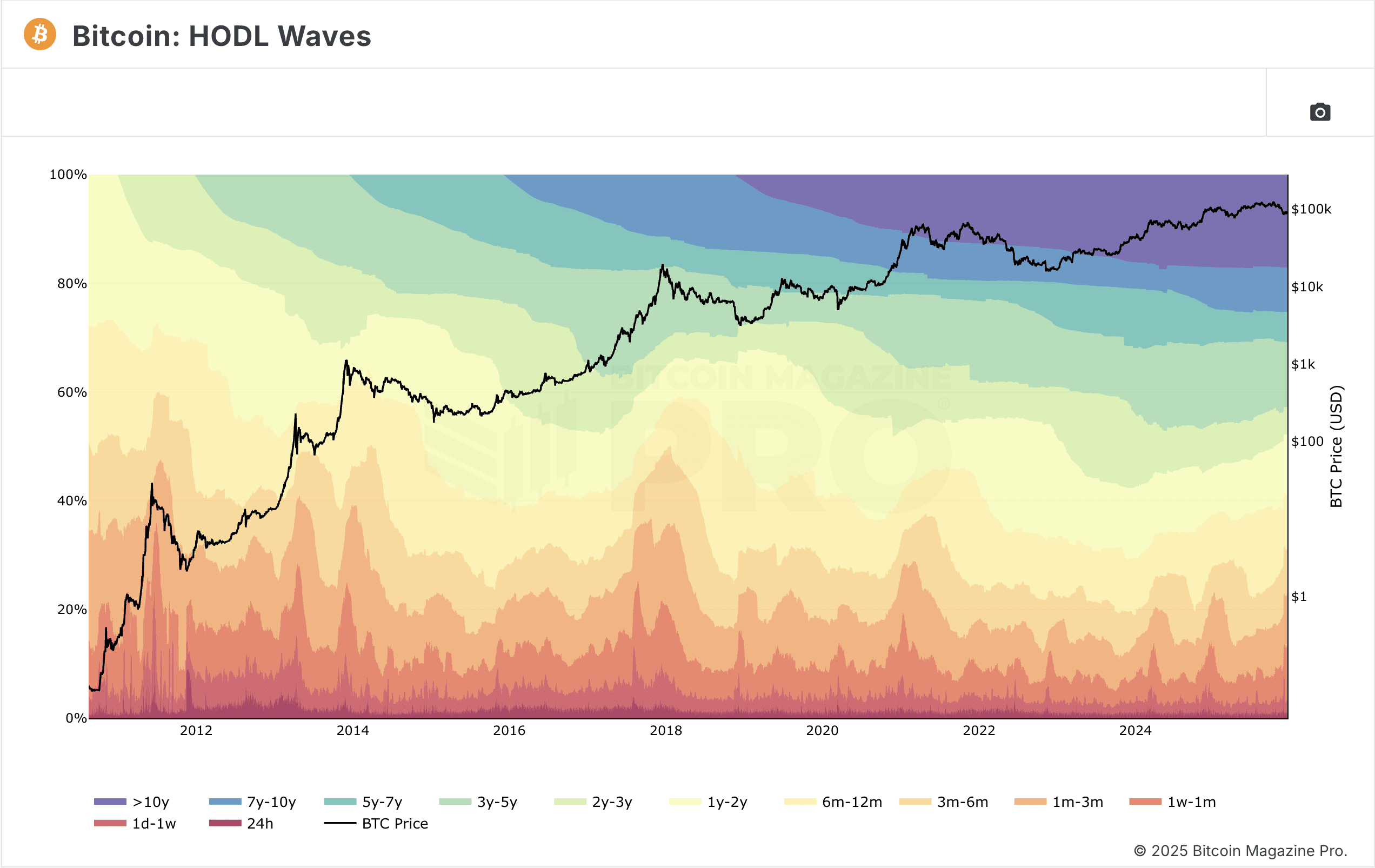
On-chain signals worth watching towards December 2025
1. Growth of illiquid supply (Illiquid Supply Change)
A relevant signal for understanding market strength is the sustained increase of BTC that moves to hands that rarely sell. When illiquid supply grows while the price remains stable, it usually indicates silent accumulation by conviction-driven actors. This reduction in available supply has coincided in previous cycles with building phases that precede broader bullish movements.
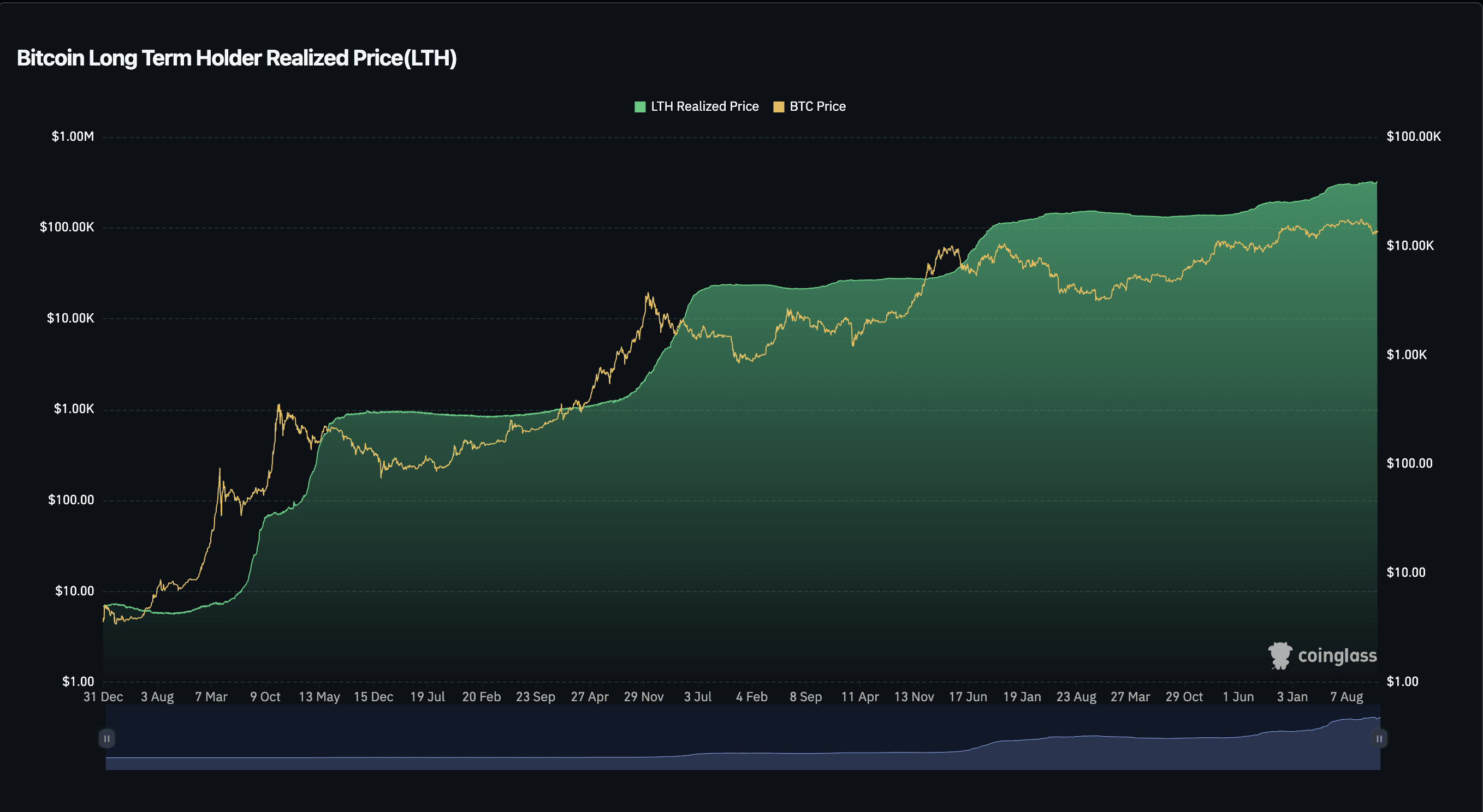
2. Price interaction with the LTH Realized Price
The realized price of long-term holders serves as a benchmark for assessing market confidence. When BTC remains above this level, more patient investors are in profit and tend to sell less, creating a more stable environment. Observing how this relationship evolves during 2025 may provide an early reading on whether the bullish momentum is grounded or still needs to consolidate.
Do you want to closely follow the evolution of Bitcoin's price towards the close of 2025? Check the updated chart in the Binance price directory.
Conclusion
Bitcoin may be building the foundations for a notable cycle close, but not due to a specific prediction, rather because of the convergence of factors that are redefining its behavior: institutional participation, reduced supply, mining expectations, and key macro signals.
The potential towards $110,000 exists, but so do the challenges. The strength of the analysis lies, precisely, in observing both sides with balance.
Let me know your vision
How do you see the close of 2025 for Bitcoin? Do you think these dynamics are enough to aim for new highs? I am interested in knowing your perspective: share it in the comments and let's build a valuable conversation together.
If you found this analysis helpful, follow me on my profile and share the article so that more people can discover the key factors to consider and make informed decisions about market movements.
⸻
This article should not be considered financial advice. Always do your own research and make informed decisions when investing in cryptocurrencies.