
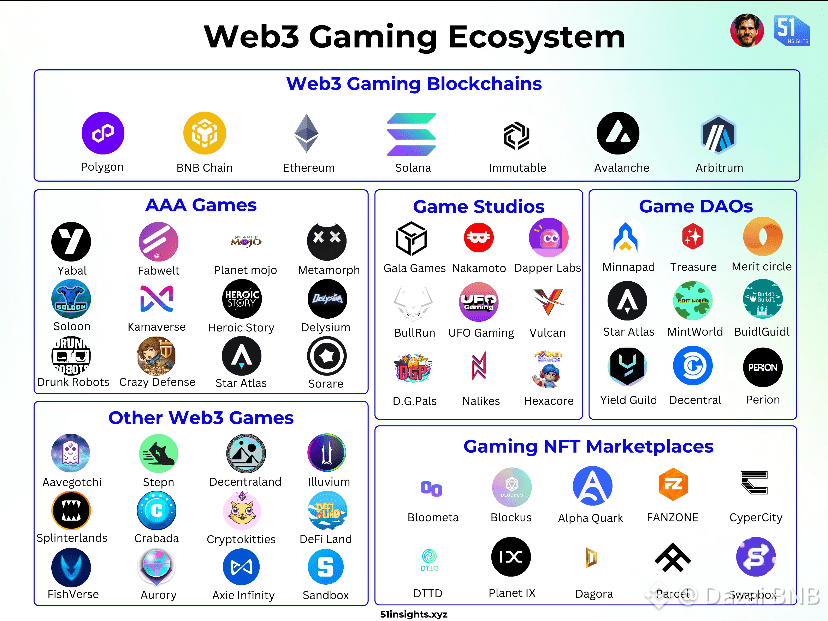
There’s a quiet shift happening in Web3 gaming, and it doesn’t feel loud or forced anymore. YGG’s move toward mobile gaming feels less like a headline and more like a natural evolution, the kind that happens when an ecosystem listens before it speaks. Dazai notices how the conversation around YGG has changed lately: it’s no longer only about guild mechanics or early play-to-earn memories, but about access, scale, and what happens when blockchain gaming finally meets players where they already are — on their phones.
From Guild Roots to Global Reach
YGG began as a guild, but over time it has grown into infrastructure, community, and coordination. The token sits at the center of this shift, not as a promise of fast returns, but as a utility layer for governance, rewards, and long-term alignment. Mobile expansion fits this logic perfectly. Phones don’t demand heavy setups or niche knowledge, and that lowers the barrier in a way desktop-first Web3 never could.
Recent ecosystem updates around YGG have focused on supporting more game studios, more regions, and more flexible entry points. Mobile-first titles naturally benefit from this structure because they thrive on volume and retention rather than exclusivity. Dazai sees this not as a pivot away from core values, but as an extension of the same idea: empower players, wherever they are, at whatever scale makes sense
Why Mobile Changes the Game for YGG
Mobile gaming dominates global playtime, especially in Asia, Latin America, and emerging markets. YGG’s expansion into this space aligns with regions where guild culture already resonates strongly. Instead of forcing blockchain mechanics upfront, mobile allows gameplay to come first, with ownership and rewards layered in more subtly over time.
The YGG token’s role here is structural rather than speculative. It connects communities, enables governance participation, and supports ecosystem incentives across multiple games instead of relying on a single hit title. That diversification matters in mobile, where trends move fast and longevity depends on adaptability rather than hype.
Dazai also notices how YGG’s messaging has matured. Updates focus on partnerships, developer support, and sustainable player economies, not exaggerated projections or external endorsements. This careful tone matters, especially in community-driven spaces where trust is earned slowly and lost quickly.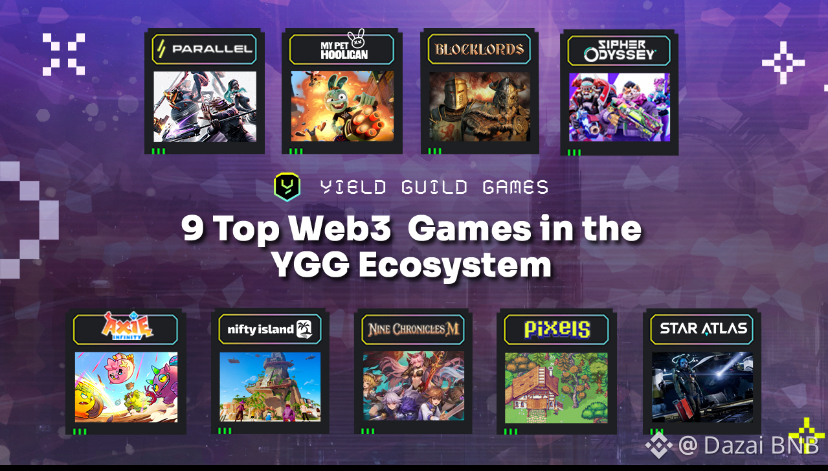
The Token’s Place in a Multi-Game Future
As more mobile games integrate into the YGG ecosystem, the token becomes a unifying thread rather than a single-game asset. Governance decisions, resource allocation, and community initiatives all flow through it. That gives YGG a resilience many single-title gaming tokens lack, especially as market cycles continue to test attention spans.
The broader market context also plays a role. When sentiment across crypto shifts, ecosystems with real usage tend to hold relevance longer than those built only on narrative. Mobile usage generates daily interactions, and daily interactions create data, feedback, and refinement. Dazai sees this loop as quietly powerful rather than immediately explosive.
A Slow Burn That Could Last
YGG’s mobile expansion wave doesn’t promise instant transformation. Instead, it suggests steady integration, gradual onboarding, and a future where Web3 gaming feels less like a separate category and more like a natural part of everyday play. That kind of progress rarely trends overnight, but it often defines the next phase.
As this chapter unfolds, YGG appears less focused on proving something and more focused on building something usable. Dazai feels that this is where the real strength lies — not in loud claims or borrowed opinions, but in infrastructure that quietly grows as players tap, swipe, and return the next day. If Web3 gaming is going to scale, it may look exactly like this: simple, mobile, and patiently assembled.
@Yield Guild Games #YGGPlay $YGG

