
Satoshi Nakamoto: Disappeared for fifteen years, yet left behind the legend of Bitcoin
Fifteen years ago, Satoshi Nakamoto disappeared from the internet. No farewell post, no explanation, and no public disclosure of any information. All he did was gradually hand over Bitcoin to other developers, then fell completely silent. From then on, the world began to wonder: Who is Satoshi Nakamoto? Why did he disappear? What does his departure mean?#中本聪之案

White paper published: The revolution begins here
In 2008, amidst the global financial crisis, Satoshi Nakamoto published the Bitcoin white paper on the P2P Foundation forum. It proposed a completely new monetary system: without government, banks, or any intermediaries. The name signed was an unfamiliar one, never heard of before. At that time, no one knew how this paper would change the world, nor did anyone think it would give birth to a digital currency revolution.
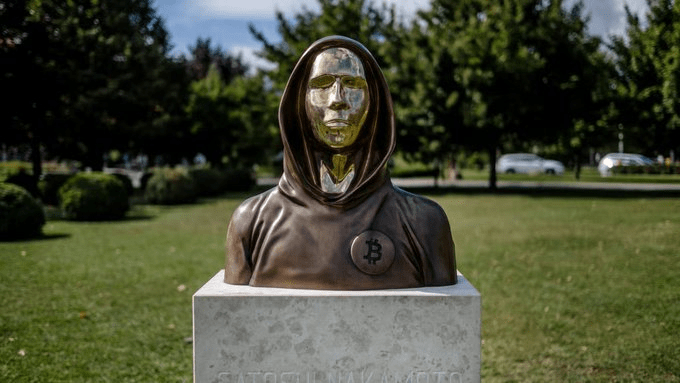
Real or fake Japanese? Clues are everywhere
Satoshi Nakamoto claimed to reside in Japan, but the details always contradicted the facts. The bitcoin white paper was written in perfect English, not Japanese, and the spelling followed British conventions—such as colour, organise. The news referenced in the genesis block came from The Times (London), and his online activity seemed more aligned with UK or US time zones rather than Japan. Various signs suggest he may have been deliberately misleading everyone.
Last public appearance
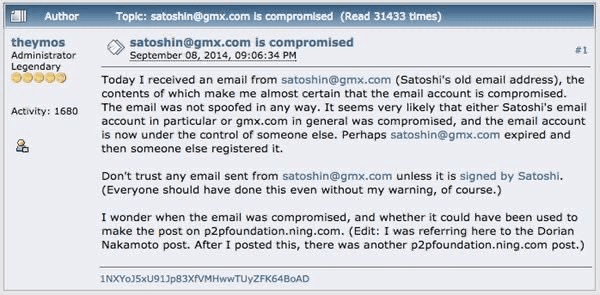
On December 12, 2010, Satoshi Nakamoto made his last public post on the forum, regarding denial of service attacks and cybersecurity. After that, he only maintained private contact with a few developers. By the spring of 2011, he completely vanished. The last known email indicated he started doing other things, and the control of bitcoin quietly transferred without any dramatic events or returns.

Speculation and legend
His disappearance sparked various speculations: some pointed to Dorian Nakamoto, others believed Nick Szabo created BitGold imitating Satoshi's style, and some even suspected Hal Finney, Adam Back, or thought Satoshi was a collective. Theories from several intelligence agencies have also emerged, but there is still no conclusive evidence.
A silent wallet, an unfinished legend
Satoshi Nakamoto mined about one million bitcoins in the early days, and these coins have never moved once. At today's prices, that's worth hundreds of billions of dollars. The silence of the wallet adds to the mystery, making bitcoin seem more like an experiment without a controller.
Absence is also a design
It is precisely because of Satoshi Nakamoto's disappearance that bitcoin has avoided the risk of a single point of control. It has survived bans, crashes, scandals, and the impacts of ETFs without a founder. No leaders, no founders, and no one can manipulate it at will; bitcoin continues to operate based on network consensus and algorithmic mechanisms. Fifteen years later, this absence may indeed be his greatest design choice.
Fifteen years have passed, and Satoshi Nakamoto remains a mystery. He has not returned or appeared, but his disappearance has made bitcoin a true symbol of decentralization. This revolution does not require the founder's existence; it only needs rules, code, and trust. Perhaps this is the most profound legacy Satoshi has left the world.
