


What does it take for a quiet low-cap project to catch the eye of the world’s biggest exchange, and why does KITE keep appearing in conversations where most micro-caps are ignored? That question kept returning to anya while watching Bitcoin steer the market, plasma-based assets swing with usage cycles, and traders hunt for signals that go beyond price. Sometimes exchanges don’t chase noise; they watch behavior.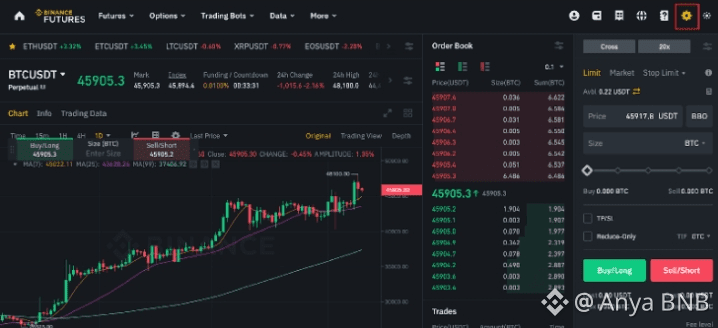
One reason KITE stands out is how it behaves when BTC moves the entire market. During sharp Bitcoin pullbacks, many low-caps lose liquidity instantly, while during BTC rallies they spike recklessly. KITE tends to do neither. It slows down, compresses, and holds structure. Anya has learned that exchanges value this kind of market maturity because stability attracts sustainable volume, not just short-lived hype.
KITE’s recent flow of quiet updates has also added weight to its narrative. Instead of oversized promises, there have been steady signs of progress: community growth, gradual liquidity strengthening, and clearer positioning within broader crypto conversations. These are the kinds of developments that rarely trend on their own but collectively build credibility. Binance historically favors projects that show consistency before spectacle.
Market conditions make this even more interesting. Bitcoin dominance has been hovering at levels that pressure altcoins, ETH is stabilizing rather than leading, SOL continues pulling fast liquidity, and plasma ecosystem coins react sharply to network demand. In this rotation-heavy environment, exchanges look for assets that can maintain engagement without collapsing under pressure. KITE’s ability to stay relevant during these shifts signals durability.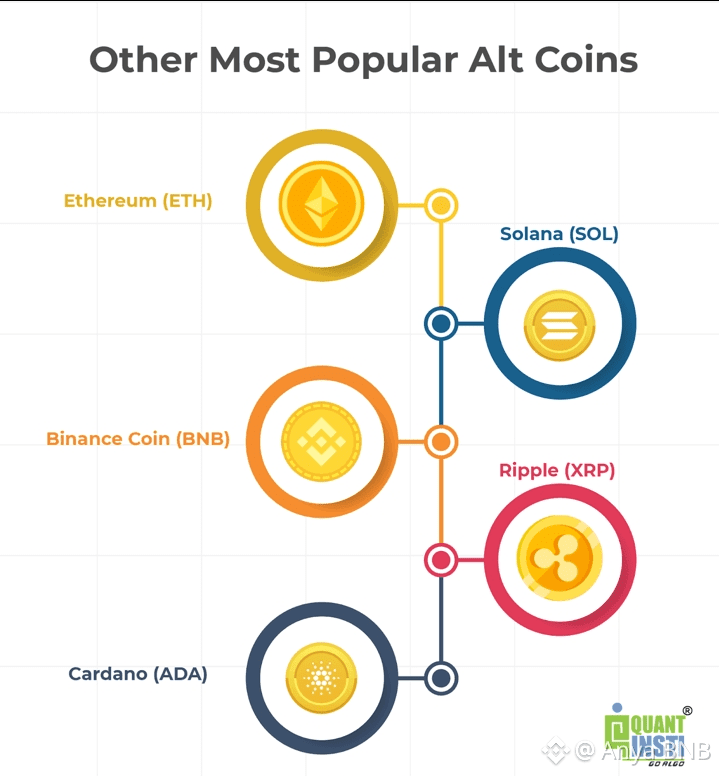
Another factor anya keeps noticing is community behavior. Binance-listed coins often have one thing in common before listing: organic discussion. KITE’s holders analyze charts, debate market rates, and talk structure instead of just price targets. This creates steady attention rather than explosive spikes. Exchanges benefit from coins that generate conversation daily, not only on pump days.
Affordability also plays a strategic role. When BTC, ETH, and SOL feel expensive to retail traders, low-entry coins become magnets for participation. KITE fits this profile well. It allows users to engage without overexposure, which often leads to higher transaction counts and broader distribution. From an exchange perspective, that kind of participation is valuable.
There is also the narrative angle. Binance campaigns thrive on stories that can scale globally. KITE’s positioning as a disciplined low-cap with growing conviction fits neatly into that framework. It’s the kind of project that can be introduced to a wide audience without needing extreme rebranding. Anya believes exchanges quietly favor narratives that are easy to explain but hard to dismiss.
Technically, KITE’s chart structure supports this possibility. Long consolidations, tightening ranges, and steady demand zones often precede moments when visibility increases rapidly. While other micro-caps bleed during market uncertainty, KITE compresses. Compression attracts attention. Attention attracts listings. The sequence is familiar to anyone who has watched past favorites emerge.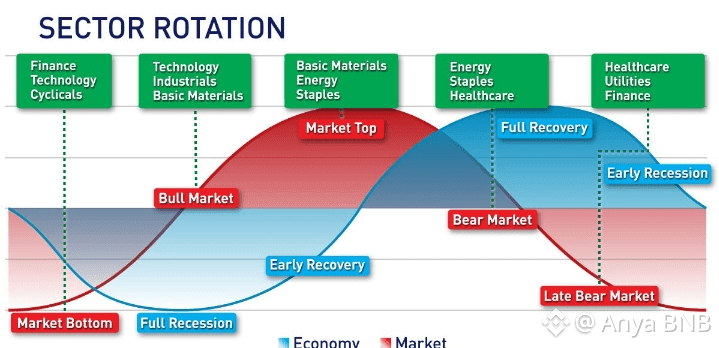
In the end, becoming a Binance favorite is not about chasing rumors; it’s about aligning with what exchanges value most: stability, engagement, accessibility, and resilience across market cycles. With BTC dictating sentiment, plasma ecosystems shaping transaction behavior, and traders rotating constantly, KITE’s calm consistency stands out. Anya believes that if this trajectory continues, KITE won’t need hype to be noticed. It will already look like it belongs.