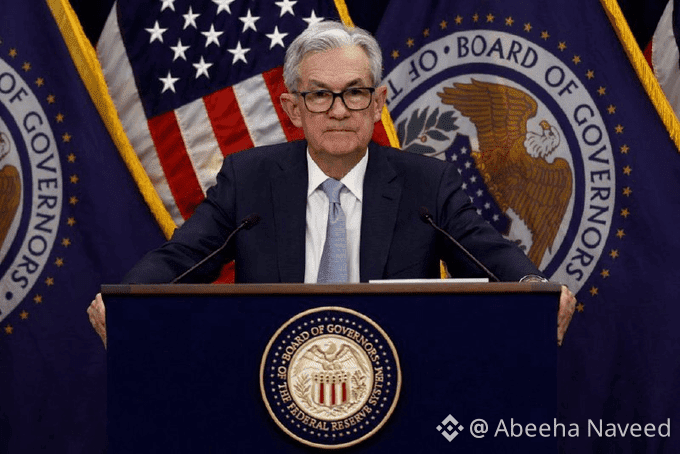
The Federal Reserve’s decision to cut interest rates by 25 basis points in December reinforces its gradual shift toward a more accommodative monetary stance. While the move itself was widely anticipated, accompanying remarks from Chair Jerome Powell suggested that further rate adjustments in 2026 remain firmly on the table.
Powell acknowledged that economic data continue to present a mixed picture, but emphasized the Fed’s willingness to act if inflation moderates further or labor market conditions weaken. Markets interpreted the comments as a signal that softer monetary conditions may lie ahead, supporting risk sentiment across asset classes.
Understanding the Fed’s December Rate Cut
The December move marks the third rate reduction of the year, bringing the federal funds rate to a target range of 5.25%–5.50%. While investors had largely priced in the cut, the Fed’s emphasis on policy flexibility added a note of optimism.
Policymakers reiterated that future decisions will remain data-dependent, closely tracking inflation trends, employment dynamics, and broader economic growth. Analysts view this cautious posture as an effort to preserve room for maneuver while maintaining the Fed’s long-standing commitment to price stability.
Fed Outlook for 2026 and Investor Implications
Looking ahead, updated Fed projections reveal a split among policymakers. Some favor restraint to avoid reigniting inflationary pressures, while others signal openness to more substantial easing should economic momentum falter.
This divergence highlights ongoing uncertainty around the pace and magnitude of future rate cuts. For investors, closely monitoring incoming macro data will be critical, as the Fed’s evolving policy path will continue to shape asset allocation decisions—particularly across equities, fixed income, and cryptocurrencies.
Bottom Line
The Fed’s December rate cut, combined with its forward guidance, points toward a potentially softer monetary environment heading into 2026, though one firmly anchored in economic data rather than pre-committed easing.