Over the past week, the Fed's balance has increased by $3.5 billion. Formally, this is not the launch of a full-scale QE, but an important signal that liquidity pressure remains and the regulator continues to carefully manage the money market.
Position of the Fed representatives
Inside the Fed, there is a divide over the timing and pace of policy easing.
Some members (Goolsbee, Schmidt, Hammack) believe that it is worth waiting to lower the rate. Their arguments include insufficient data on inflation, risks of its resurgence, and the impact of fiscal stimuli on the economy. Essentially, this is a cautious position: first confirmation of slowing inflation, then decisions.
Others (Daly) support lowering the rate as a tool for balancing the economy and the labor market. This shows that there is currently no single scenario within the Fed.
For beginners: when opinions within the Fed diverge, markets usually become more volatile and sensitive to macro data.
Market expectations for the rate
Futures on the Fed rate indicate a long pause and a gradual decline closer to the middle and second half of 2026. The market does not price in sharp moves — the scenario remains restrained and stretched over time.
The situation with Bitcoin
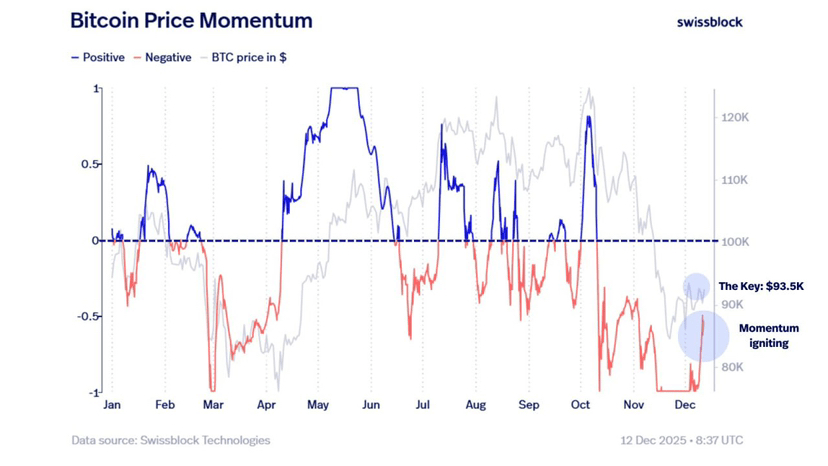
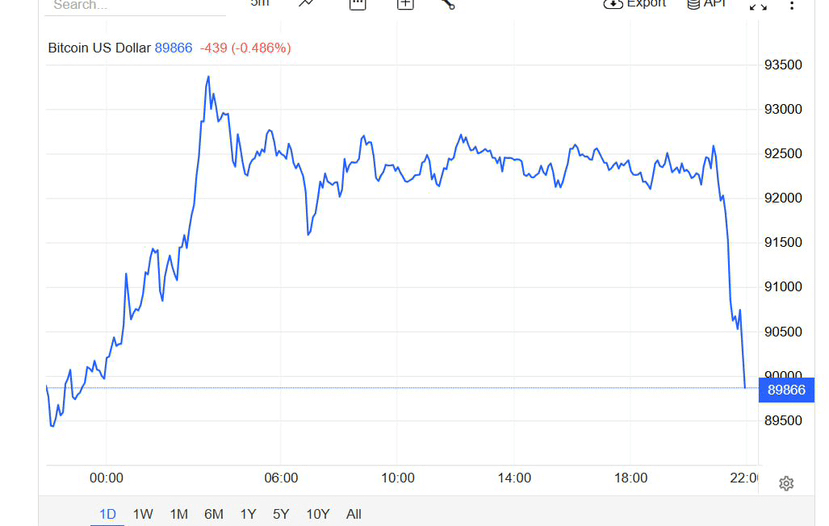
According to Swissblock, Bitcoin is trying to regain leadership, but so far without confident confirmation. The level of 93,5 thousand remains key: consolidation above it may be the first signal of a return to a more sustainable upward momentum.
For beginners: confirming a trend is not just a single bounce but holding the price above important levels.
Cyclical indicators point to weakness
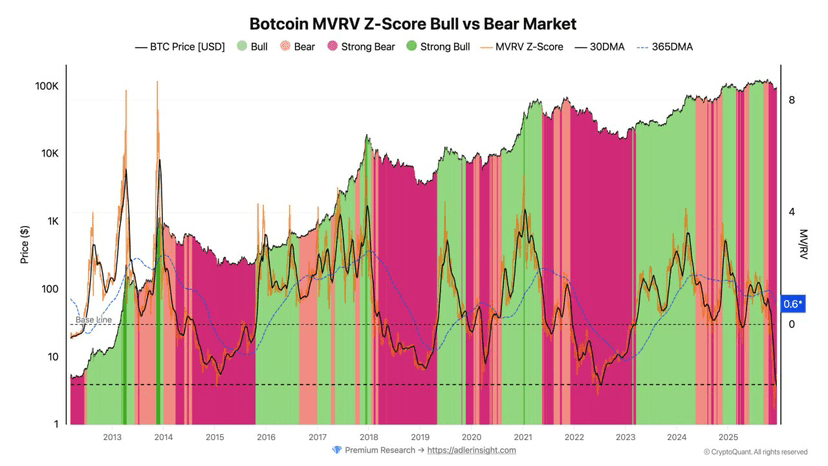
According to the MVRV Z-Score model, the Bitcoin market is still in a deep bearish phase. The divergence between short-term and long-term dynamics continues to increase. Historically, such phases can be prolonged, and potential reversals are more often shifted to the next year.
Pressure on Ethereum
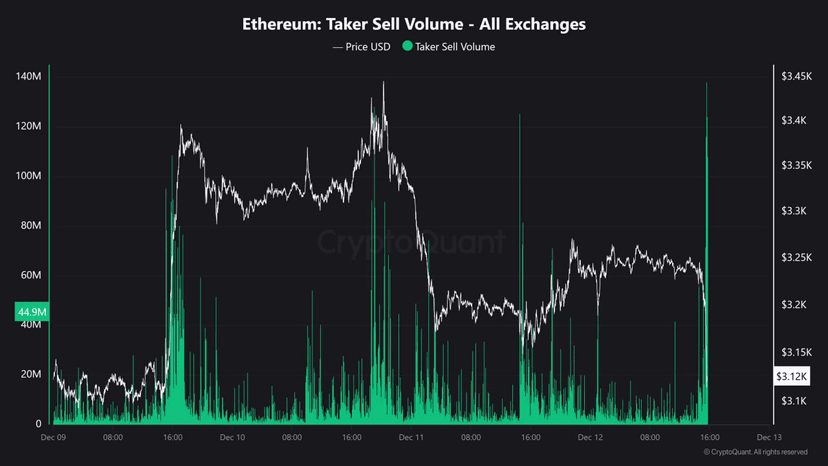
The ETH market has seen a sharp increase in sales volumes. This indicates that participants are actively exiting positions rather than simply locking in profits. Under such conditions, recovery usually takes time and stabilizes the overall background.
The stock market is increasing pressure
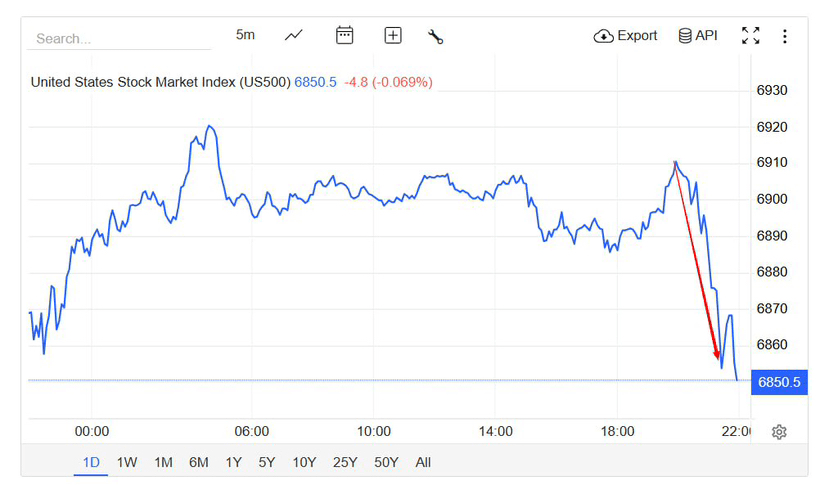
American indexes have pulled back from record highs. The decline in the tech sector and the rise in bond yields are increasing pressure on risky assets, including cryptocurrencies. When bond yields rise, capital temporarily leaves more volatile markets.
Overall conclusion
The market is in a phase of cautious rethinking. The Fed is not rushing into sharp moves, liquidity is distributed selectively, and investors are becoming more discerning. For beginners, this is a period when it is more important not to guess the bottom but to understand the market structure and manage risks.
Such phases rarely yield quick money, but they form the basis for subsequent movements.