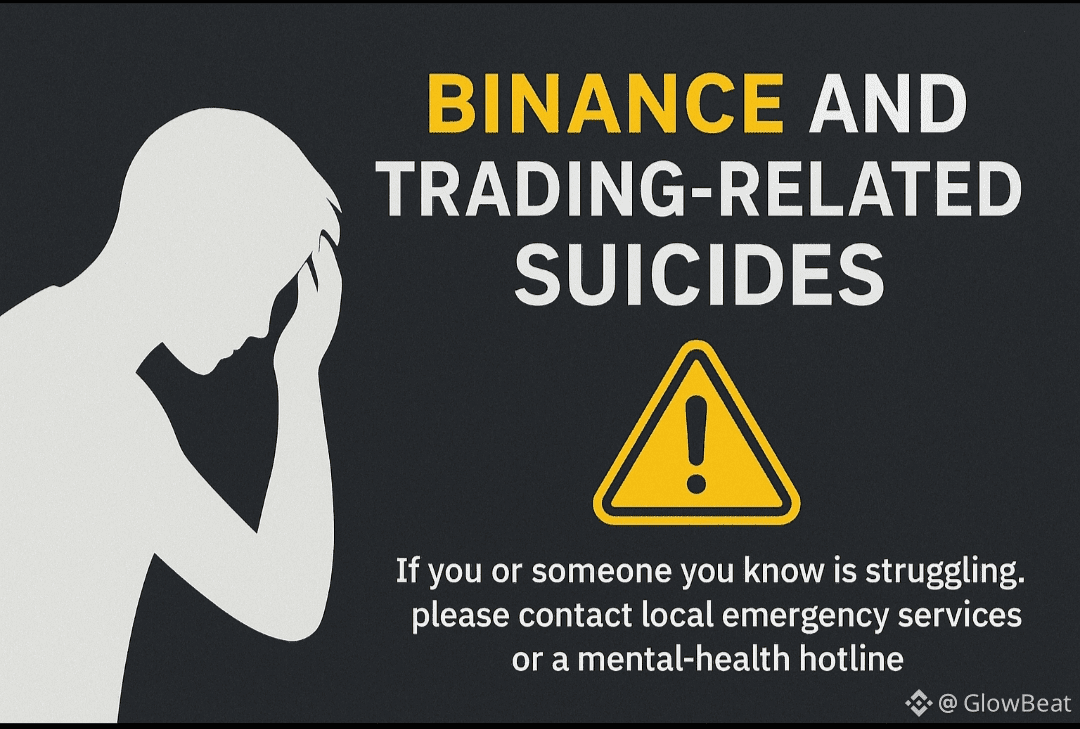
Cryptocurrency markets are volatile and emotionally intense. When a trader loses a life after suffering catastrophic financial losses, the natural question is: can the exchange where they traded be held responsible — morally, legally, or practically? The short, candid answer most platforms give is that exchanges are not legally responsible for individual trading losses or for tragic personal choices that follow them; responsibility is shared and complex. Below we unpack why, what the platforms say, where gaps remain, and what meaningful actions both exchanges and communities can take.
Why exchanges typically disclaim legal responsibility
Most major exchanges—including Binance—place clear risk warnings and liability disclaimers in their Terms of Use: users are told they are responsible for investment decisions, and the platform disclaims liability for trading losses except in limited cases of negligence or wrongful conduct. These clauses are standard in financial services and are intended to clarify legal responsibilities, not to absolve platforms of all ethical obligations.
But legal disclaimers don’t answer the ethical question
A terms-of-service clause cannot erase the human cost of a loss. When a trader dies by suicide after severe market losses, as reported in recent high-profile cases in Ukraine and elsewhere, the community response is often: grief, shock, and a search for accountability. News coverage and community posts show that these events also trigger conversations about mental health, leverage, influencer responsibility, and industry safeguards. Platforms often respond with statements urging mental-health awareness while reiterating their legal positions.
Where responsibility can be meaningfully assigned or debated • Platform safety features and design choices — Exchanges control product design (e.g., leverage limits, margin call mechanics, liquidation notices). Poorly designed or aggressively promoted high-leverage products increase the risk of catastrophic losses. Regulators and courts may scrutinize whether a platform knew of harms and failed to act, especially if consumers are misled.
• Fraud, negligence, or platform misconduct — If an exchange engages in fraud, fails to secure funds, or behaves negligently, legal responsibility is clearer. In ordinary market losses without willful misconduct, liability is harder to establish.
• Third parties — Promoters, signal providers, influencers, or custodians who mislead customers can carry responsibility. Platforms that permit or amplify harmful advice without moderation may face reputational (and sometimes regulatory) consequences.
What exchanges can and should do (practical steps)
1. Safer product design: limit retail access to extremely high leverage, require clearer UI warnings, and implement friction for risky product entry.
2. Active consumer protections: better liquidation protections, cooling-off periods, and loss caps for inexperienced traders.
3. Responsible marketing: ensure ads and influencer programs don’t glamorize high-risk trading.
4. Crisis and recovery support: provide clear signposting to mental-health resources and emergency hotlines when the platform detects signs of distress or when major liquidations occur.
5. Transparent investigations: when a tragedy involves potential platform failure, conduct and publish independent reviews where appropriate. These actions reduce harm and show social responsibility beyond legal disclaimers.
Community and individual precautions (what traders and their families can do)
• Education: never trade with money you can’t afford to lose; understand leverage mechanics.
• Mental-health safeguards: traders should build support networks, set stop limits, and consider automatic risk guards (lower leverage, fixed-size positions).
• Pause and seek help: if trading losses trigger severe distress, stop trading and reach out to professionals or trusted contacts immediately.
A compassionate final word
Legal responsibility and moral responsibility are not the same. While Binance’s public terms emphasize user responsibility for trading losses, the human cost of trading-related tragedies has led many in the industry and regulator community to call for stronger protections, better product design, and active community support. Platforms, influencers, and traders all share the power — and therefore a measure of responsibility — to reduce harm. If you or someone you know is struggling, please contact local emergency services or a mental-health hotline right away.
Key references & reading (examples) • Binance Terms of Use and region-specific terms (risk warnings, disclaimers).
• Recent community reporting and posts on trading-loss-related suicides (cases
widely discussed in crypto communities).