

Yield Abstraction, BTCFi Momentum & Institutional Design Take Shape
Lorenzo Protocol isn’t chasing memecoin-style attention.
Instead, it’s building something far more deliberate — a structured, on-chain asset management layer designed to make complex yield strategies usable, auditable, and scalable. Recent developments around BANK suggest the protocol is leaning deeper into institutional-grade DeFi, even as market volatility shakes out short-term traders.
Here’s what’s unfolding 👇
1. Post-Binance Volatility Is Normalizing Into Real Activity
After its Binance Seed Tag listing, $BANK went through the expected cycle:
• Sharp initial upside
• Heavy profit-taking
• A broader market correction
• Stabilization with sustained volume
Despite the pullback from its ATH, $BANK continues to post multi-million dollar daily trading volume, signaling that interest hasn’t disappeared — it’s becoming more selective.
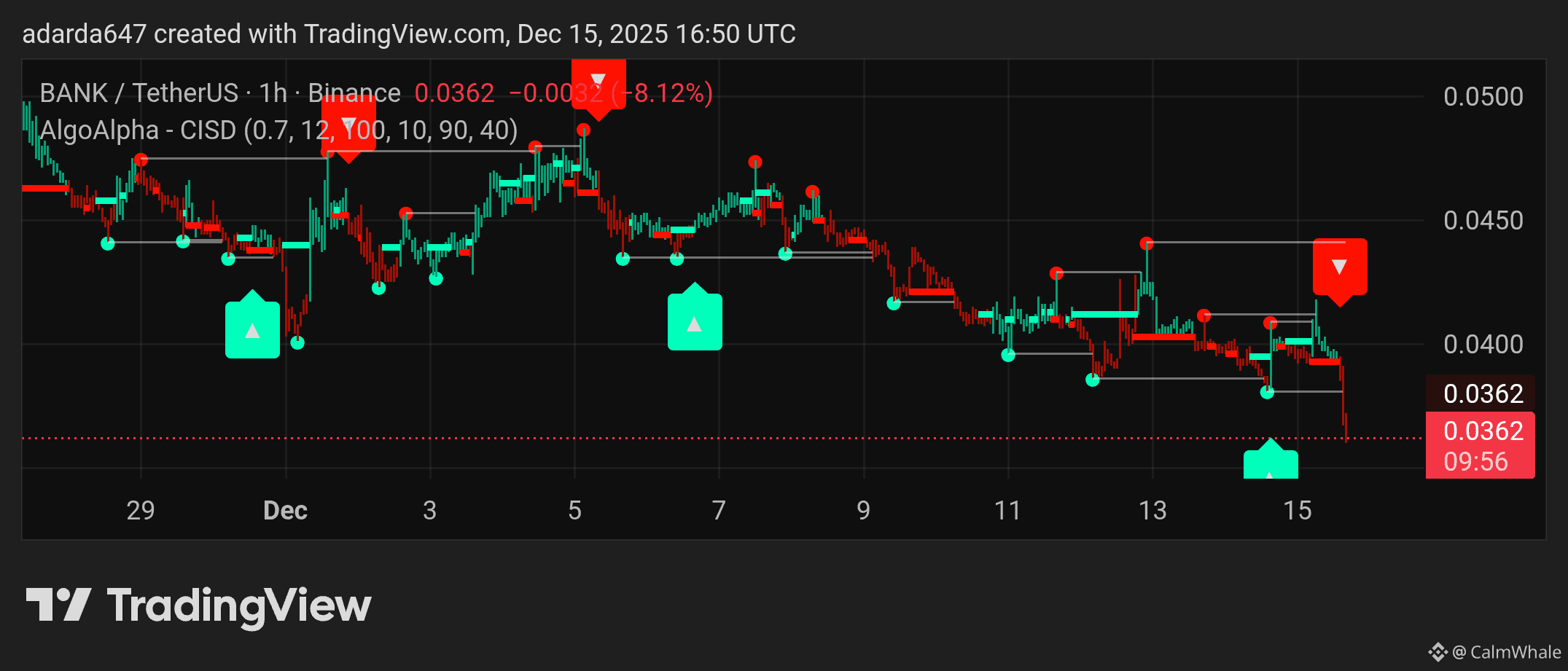
Volatility cleared the noise. What’s left is real participation.
2. Lorenzo’s Financial Abstraction Layer Is the Core Differentiator
Most DeFi protocols expose users to complexity.
Lorenzo hides it.
Through its Financial Abstraction Layer (FAL), Lorenzo turns complicated strategies — custody, trading, lending, RWA exposure — into standardized, on-chain investment products like OTFs (On-Chain Traded Funds).
• Strategy complexity stays under the hood
• Users interact with simple yield products
• Risk is structured, not improvised
• Audits and transparency remain on-chain
This is exactly how TradFi products evolve — now replicated in DeFi.
3. BTCFi Focus Targets the Largest Idle Liquidity Pool
One of Lorenzo’s strongest long-term angles is Bitcoin.
Instead of wrapping BTC into risky yield loops, Lorenzo focuses on:
• Non-custodial BTC yield models
• Structured BTC vaults (e.g., stBTC-style products)
• Capital efficiency without sacrificing security
• Yield access without active trading
If even a fraction of idle BTC liquidity moves on-chain, protocols like Lorenzo stand to benefit disproportionately.
4. RWA Integration Signals Institutional Intent
Lorenzo isn’t only DeFi-native.
Its roadmap increasingly includes Real-World Asset (RWA) exposure:
• Tokenized treasuries
• Private credit yield
• Stable, predictable income streams
• Integration with regulated partners
This isn’t yield chasing — it’s yield engineering.
And that distinction matters as institutions enter DeFi cautiously.
5. BANK Tokenomics Reflect Usage, Not Just Speculation
$BANK isn’t overloaded with abstract utility.
Its role remains focused:
• Governance over protocol direction
• Alignment with yield product growth
• Incentivization for liquidity and participation
• Value tied to platform adoption, not hype cycles
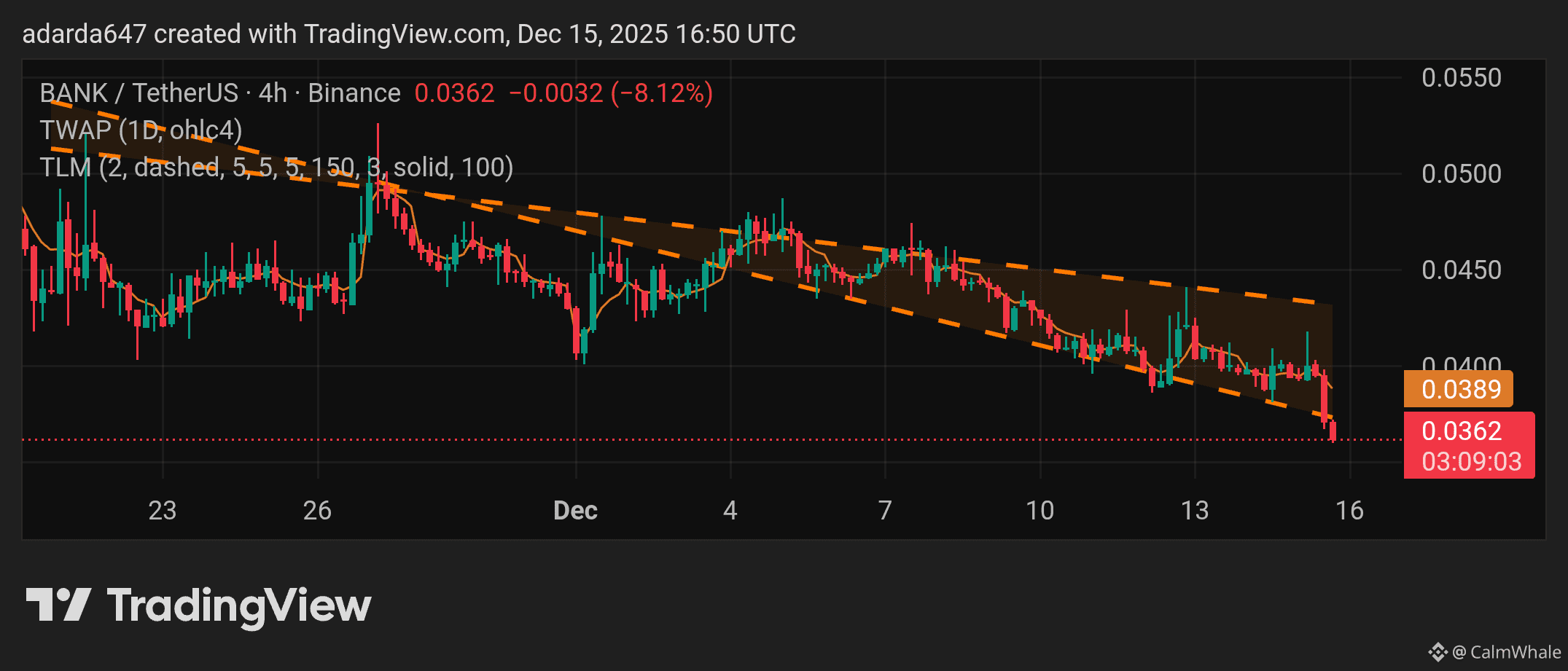
With most of the circulating supply already live, future valuation increasingly depends on product traction, not emissions.
6. Market Narrative Is Shifting Toward Structured DeFi
The broader DeFi market is maturing:
• Less appetite for experimental yield
• More demand for risk-adjusted products
• Greater focus on audits and structure
• Preference for protocols that abstract complexity
Lorenzo’s design philosophy fits this shift almost perfectly.
What once looked “slow” now looks intentional.
My Take (Human Insight)
@Lorenzo Protocol doesn’t feel like it’s building for traders — it’s building for allocators.
The real strength isn’t APY screenshots or short-term price action. It’s the way Lorenzo turns complicated financial logic into simple, on-chain products that institutions can actually understand and trust.
If DeFi is moving toward structured capital, BANK sits right at that intersection.
Your Turn
Do you see Lorenzo’s bigger edge in BTCFi, RWA yield, or its financial abstraction model?
Share your take 👇



