
According to experts, knowing when to sell crypto involves creating and strictly following a predefined exit strategy based on personal financial goals, market signals, and risk tolerance, rather than making emotional decisions. The core principle is to have a plan before you buy.
Develop a Predefined Exit Plan
The most critical step is to establish a clear, written-down plan before you even enter a trade, including profit targets and loss limits. This plan should align with your personal financial goals, such as saving for a major purchase or diversifying your portfolio, and not be swayed by fear or greed.
Set Clear Profit Targets: Define specific price points or return percentages (e.g., selling a portion at 50% or 100% profit) to lock in gains automatically using limit orders.
Implement Stop-Loss Orders: Place automatic stop-loss orders to limit potential losses if the price drops to a certain level (e.g., 5-10% below your entry point).
Use the "Play with House Money" Strategy: A popular method is to sell your initial investment once the asset's value has doubled, and let the remaining "house money" ride for further potential growth.
Monitor Key Market and Fundamental Signals
Experts recommend combining your financial goals with objective market analysis, as no single indicator is perfect.
Market Sentiment: High public euphoria, celebrity endorsements, and overly positive news often signal a potential market top or "overbought" conditions, which can be a contrarian indicator to sell.
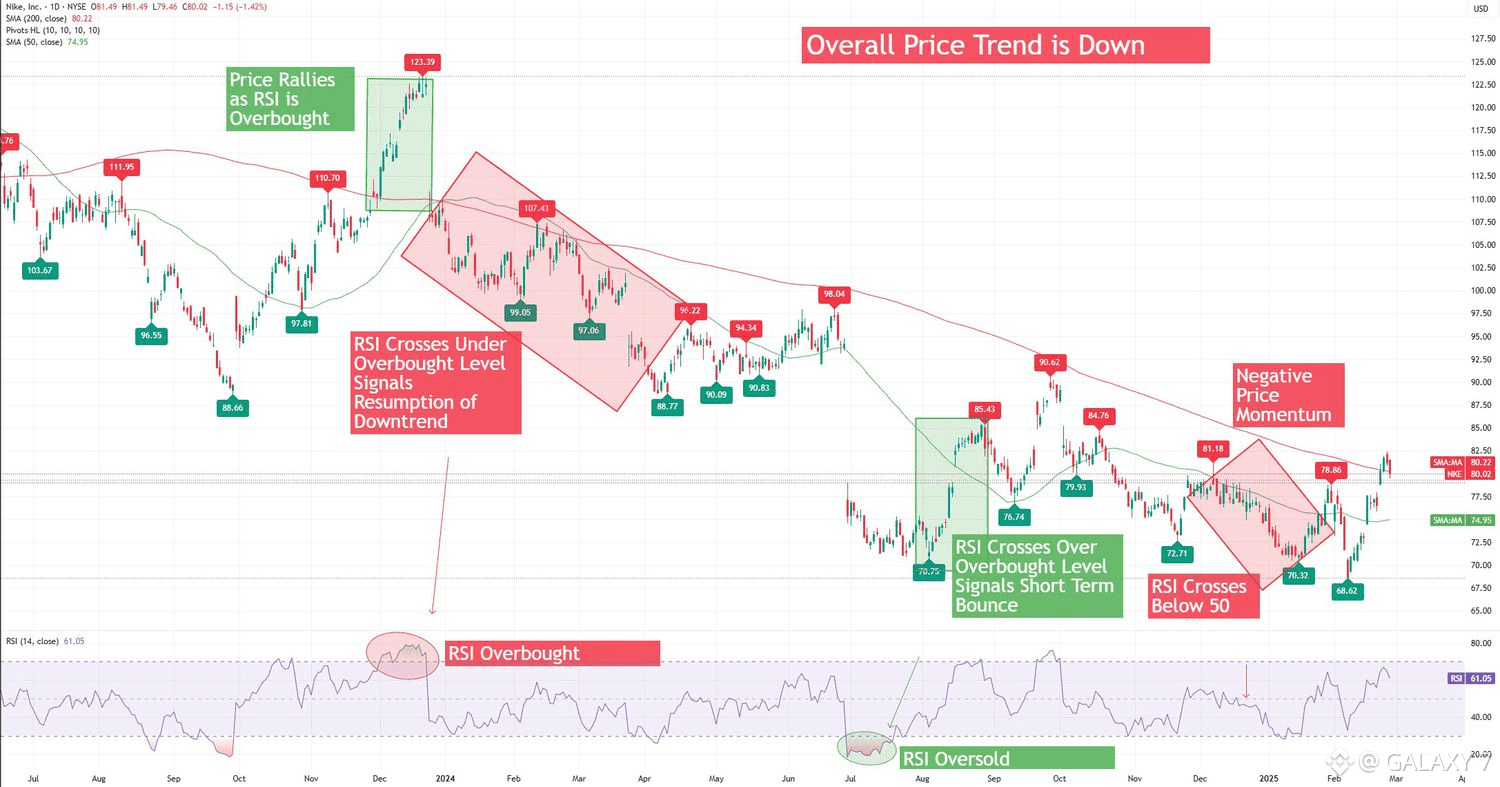
Technical Indicators: Use tools like the Relative Strength Index (RSI); an RSI value above 70 often indicates an asset is overbought and a potential price pullback could be due. Other indicators include moving averages and trading volume.
Fundamental Changes: Sell if the cryptocurrency project's fundamentals deteriorate, such as a lack of development, negative regulatory news, or the core management team having doubts about its long-term viability.
Portfolio Rebalancing: Periodically sell off high-performing crypto assets that have grown to an oversized portion of your total portfolio (e.g., more than 5-10% of total investments) to maintain diversification and manage risk.
Avoid Emotional Decisions
Emotions are a major pitfall in the volatile crypto market. Sticking to your plan helps prevent common mistakes like:
Panic Selling: Selling at a loss during a temporary dip due to fear.
Greed/FOMO (Fear of Missing Out): Holding for unrealistic gains or re-entering the market at a higher price after selling too early.
Ignoring Taxes and Fees: Be aware that every sale is a taxable event in most jurisdictions, and plan for capital gains taxes and exchange fees to accurately calculate your net profit.
By adopting a disciplined, data-driven approach and using a combination of these strategies, you can navigate the market with greater confidence.
#CryptoSellingTips #ExitPlanning #RiskManagement #FinancialGoals #InvestSmart
