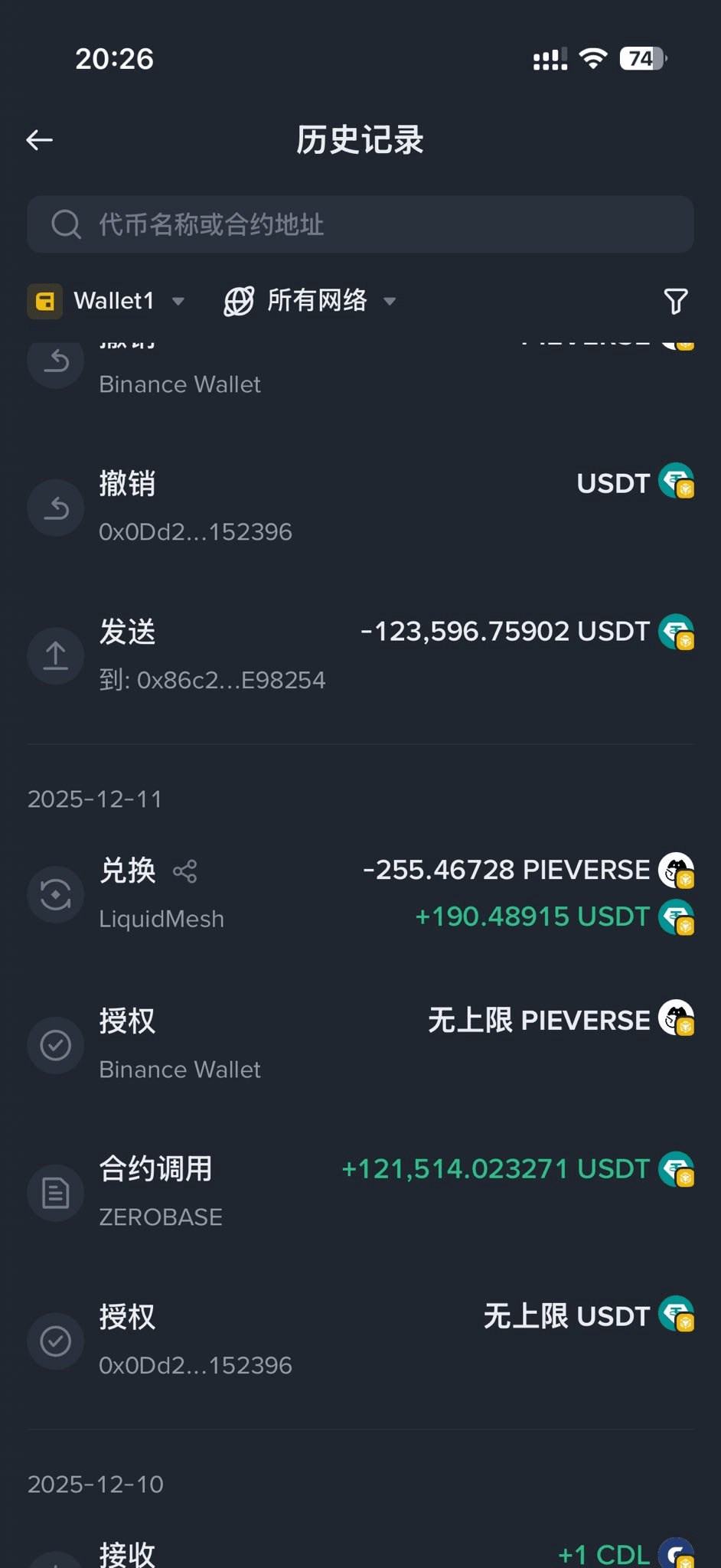
Some players have used the Binance web3 wallet to stake 12wu in the #Zerobase protocol, allowing an additional authorization upon redemption, resulting in the loss of all funds in the wallet, which were stolen.
Now both parties are in court, discussing who is responsible and how compensation will be handled.
The preliminary reason for the theft was that the frontend of the zerobase protocol was hacked, causing users to see an additional 'authorization' pop-up when redeeming assets. If users agree to the authorization without careful scrutiny, it leads to the theft of their wallet.
This authorization allows for unlimited transfers of USDT from the wallet, making it truly difficult to guard against.
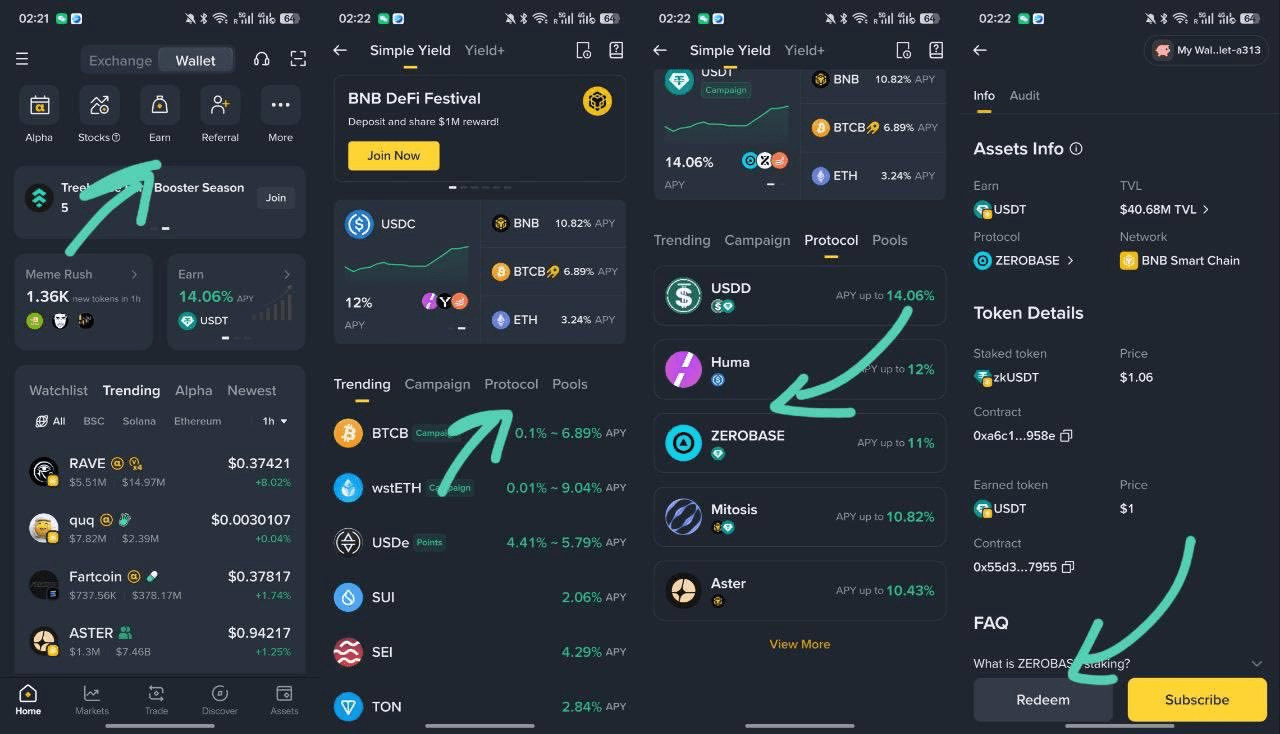
Currently, the Binance wallet has urgently blocked the zerobase official website; users can redeem their staked USDT in the protocol through Wallet - Assets - Finance - Protocol - ZEROBASE.
Back when $ZBT was launched, it was a grand celebration, and it was very lively for a time.
Staking 50u earned over 30 dollars in ZBT airdrops; many people thanked ZBT airdrops, as this was a relatively high-yield project in the Binance web3 wallet.
Currently, the website's frontend has been hacked, and many people who operated redemptions in recent days have been hacked, suffering losses ranging from tens to hundreds of thousands of dollars, with players accumulating over $200,000 in losses during redemptions.
The protocol has not been hacked, and the locked TVL is still over $70 million, peaking at over $500 million in early October.
In the summer of 2020, the Defi ecosystem experienced explosive growth, when the Compound protocol launched COMP tokens for liquidity mining and yield farming, allowing users to earn high returns by providing liquidity.
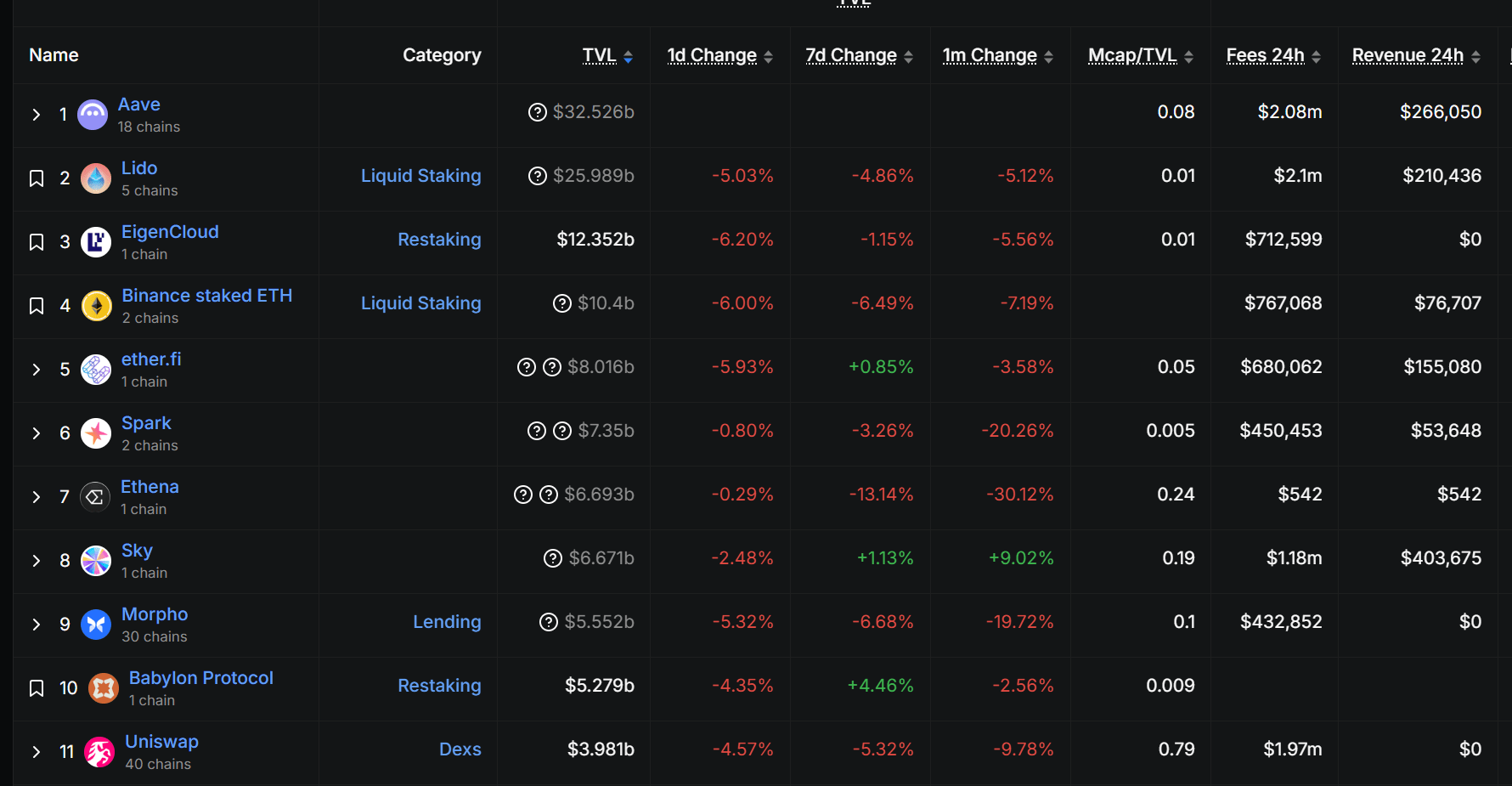
Subsequently, projects like Uniswap, Aave, and Curve quickly rose to provide liquidity (BTC, ETH, USDT, and other assets), earning passive income.
Early players gained a fortune in the #defi gameplay, but over these two years, there have been frequent vulnerabilities in defi project protocols.
Hackers scan the protocol code for bugs to steal project assets; some projects are completely wiped out under hacker attacks, while others can only barely survive after being attacked.
Not only are on-chain protocols being hacked, but exchanges are also occasionally breached, such as the Bybit supply chain attack earlier this year, which resulted in a loss of $1.46 billion.
According to related data statistics as of December 15, there were 189 on-chain and crypto-related security incidents throughout the year, with total losses reaching approximately $2.689 billion.
After a whole year of effort, I accidentally got robbed, becoming a victim for the hackers.

Asset safety is of utmost importance; one must remain vigilant and confirm any pop-up authorizations multiple times. A moment's inattention can lead to assets going to zero.
Additionally, one must pay attention to protocol security in financial staking or choose reliable platforms. If a protocol is hacked, suffering #黑客攻击 , assets can also go to zero; or if the platform runs away, the staked principal will also be lost.
There are no shortages of opportunities on-chain, but there is a lack of people who are always at the table.