Adverse Childhood Experiences (ACEs) are potentially traumatic events occurring before age 18, such as abuse, neglect, or household dysfunction. Groundbreaking research has revealed that these experiences are not just painful memories—they can literally reshape a person's health decades later.
The mechanism is both biological and behavioral. Chronic, toxic stress in childhood can disrupt the development of the brain and immune system. To cope, individuals may adopt higher-risk behaviors like smoking or overeating. The combined effect is a dramatically increased risk for the leading causes of illness and death.
The Dose-Response Effect: More ACEs, Higher Risk
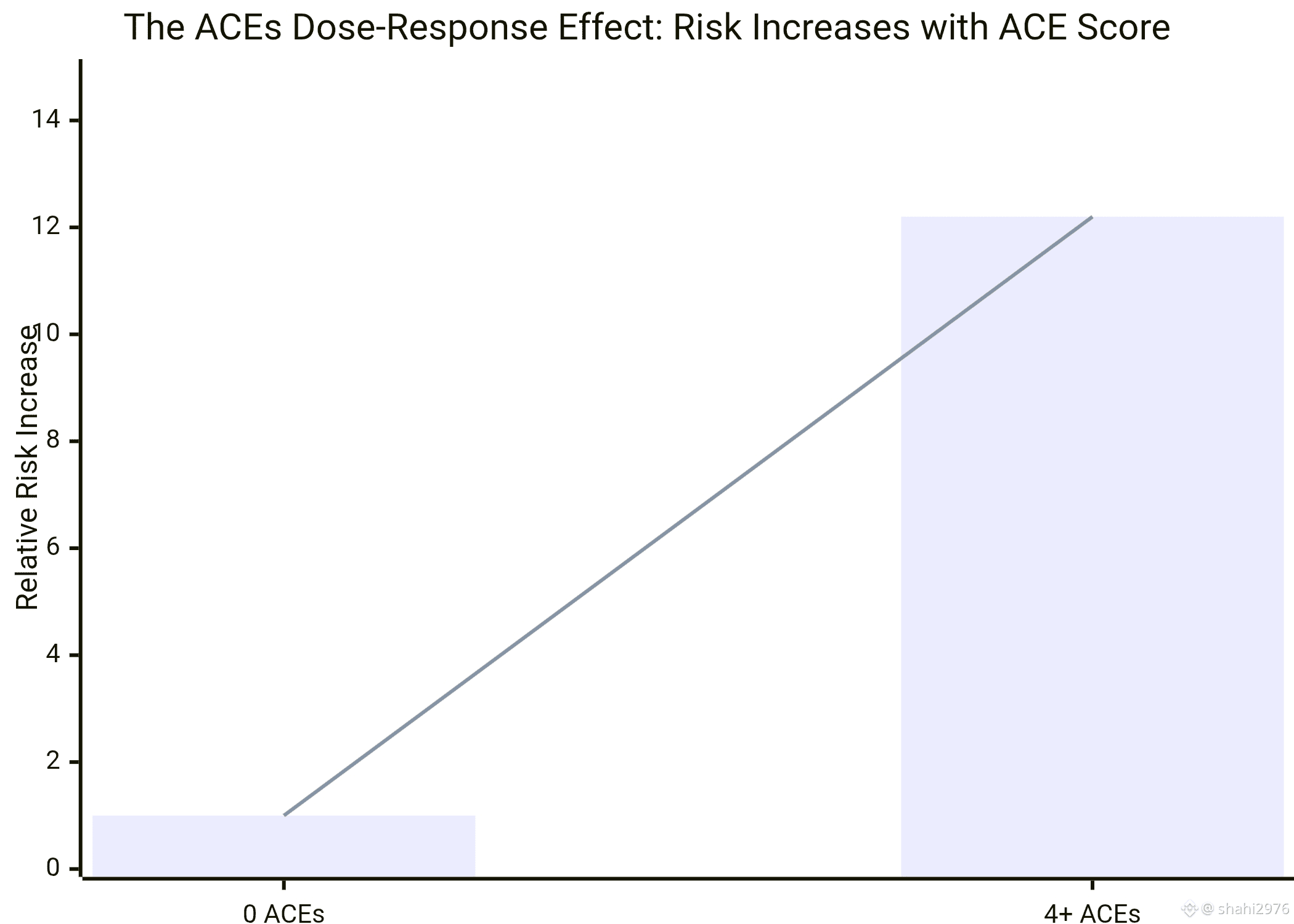
The impact is cumulative. As the chart below illustrates, the more ACEs a person has, the greater their risk for health and social problems.
```mermaid
xychart-beta
title "The ACEs Dose-Response Effect: Risk Increases with ACE Score"
x-axis ["0 ACEs", "4+ ACEs"]
y-axis "Relative Risk Increase" 0 --> 15
bar [1, 12.2]
line [1, 12.2]
```
This "dose-response" relationship shows that an individual with 4 or more ACEs is:
· 12 times more likely to attempt suicide.
· 7 times more likely to struggle with alcoholism.
· 2.5 times more likely to have a stroke or heart disease.
The Path to Healing
The ACEs study is not destiny—it's a diagnosis of a public health issue. Resilience is the key. Building supportive relationships with trusted adults, developing healthy coping skills, and creating safe, stable, and nurturing environments can buffer the effects of trauma and rewire the brain for healing.
Understanding ACEs allows us to move from asking "What's wrong with you?" to "What happened to you?"—a shift that is the first, crucial step toward prevention, compassionate intervention, and breaking the cycle for future generations.#USNonFarmPayrollReport #BinanceBlockchainWeek #WriteToEarnUpgrade