In September 2025, Kite (formerly known as Zettablock) sent shockwaves through the technology and finance sectors by announcing a $18 million Series A funding round. Led by global giants PayPal Ventures and General Catalyst, this round brings Kite’s total capital to $33 million. While the numbers are significant, the real story lies in what Kite is building: the first foundational "trust layer" for an economy where software agents—not humans—are the primary shoppers, traders, and service providers.
I. The Funding: A Vote of Confidence from the Giants
The involvement of PayPal Ventures is perhaps the most strategic signal in the AI sector this year. PayPal, which revolutionized human-to-human digital payments two decades ago, now views Kite as the "rails" for the next evolution: Machine-to-Machine (M2M) commerce.
Joining the round is a "who's who" of venture capital and blockchain innovation:
Lead Investors: PayPal Ventures, General Catalyst.
Institutional Participants: 8VC, Samsung Next, SBI US Gateway Fund, Vertex Ventures.
Blockchain & Web3 Leaders: Avalanche Foundation, Animoca Brands, LayerZero, Alchemy, HashKey Capital, Hashed, and Dispersion Capital.
This diverse backing suggests that Kite is not just a "crypto project" or an "AI app," but a critical piece of infrastructure sitting at the intersection of both.
II. The Problem: Why "Human-Centric" Systems Fail AI
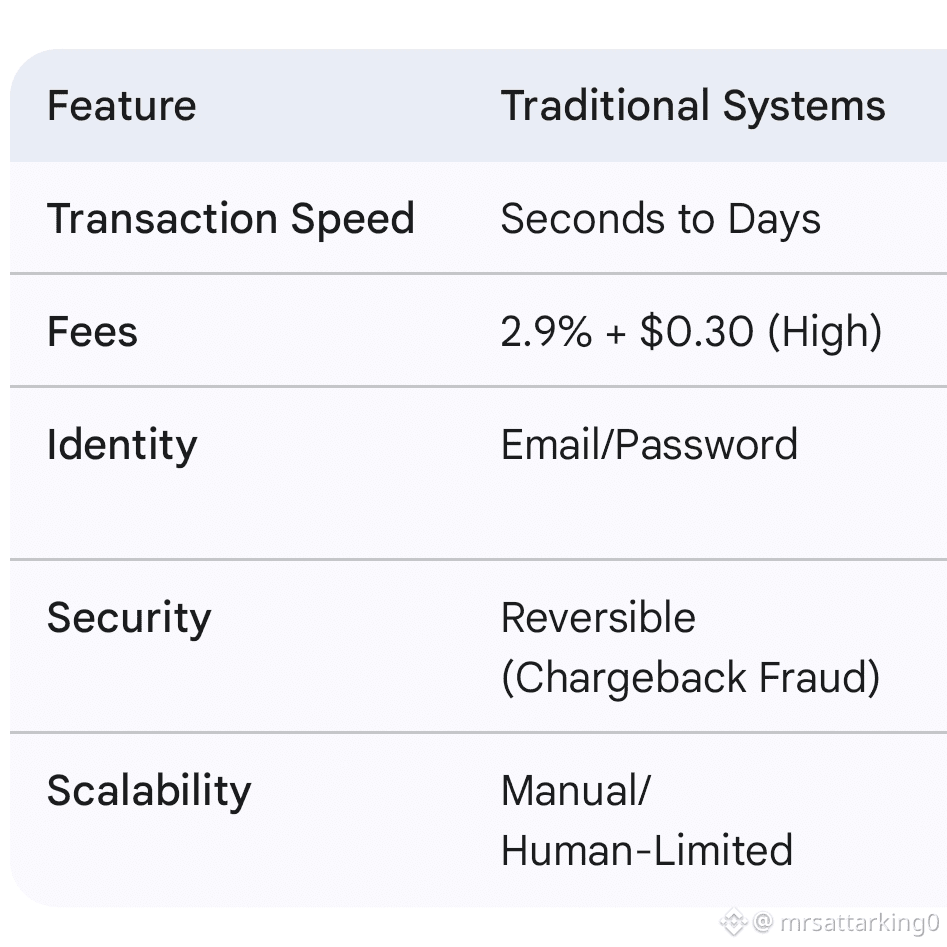
Traditional internet and financial systems were designed for humans. They assume a human user with a credit card, a physical ID, and a slow decision-making process.
Latency: Traditional bank transfers take days; AI agents work in milliseconds.
Identity: Websites use CAPTCHAs to block bots; we now need a way to verify and welcome them.
Permissions: Giving an AI your credit card is risky; there are no "guardrails" to stop an agent from spending $10,000 instead of $10.
Kite solves these "friction points" by creating a system where agents have their own verifiable identities and programmable wallets.
III. Technical Deep-Dive: The Kite AIR Architecture
At the heart of this update is Kite AIR (Agent Identity Resolution). This is a multi-layered solution designed to give autonomous agents "personhood" in the digital world.
1. Agent Passport: The Identity Layer
The Agent Passport is more than just a username. It is a cryptographic certificate that contains:
Provenance: Who created the agent and what is its purpose?
Policy Enforcement: Smart contracts that act as "guardrails." For example, an agent can be restricted to only buy "office supplies" from "verified Shopify merchants" with a limit of "$50 per transaction."
Reputation Score: A history of the agent’s past actions, ensuring that "bad actor" agents can be identified and blocked by the network.
2. Agent App Store: The Discovery & Monetization Layer
Imagine an App Store where the users are robots. In the Kite Agent App Store, developers list their APIs, datasets, and commercial services.
Autonomous Discovery: Agents can search the store to find a service they need (e.g., a shipping API or a weather data feed).
Instant Settlement: Using Kite's underlying blockchain, the agent pays the service provider in stablecoins instantly. There are no "invoices" or "monthly billing cycles"—it is pure metered, micro-transactional billing.
3. Proof of Attributed Intelligence (PoAI)
Kite utilizes a unique consensus mechanism called PoAI. This ensures that every contribution—whether it’s the data used to train the agent or the model providing the reasoning—is recorded and rewarded fairly. This solves the "attribution problem" that currently plagues the AI industry.
IV. Real-World Integration: Shopify and PayPal
Kite isn't just a theoretical concept; it is live. Through open integrations, any Shopify or PayPal merchant can now "opt-in" to the Kite network.
AI Shopping Agents: A user can tell their AI, "Find me a sustainable leather wallet under $100 and buy it."
Direct Interaction: The agent doesn't browse a website like a human; it interacts directly with the merchant’s backend via Kite, settles the payment in stablecoins, and provides a cryptographically signed receipt.
V. The Economic Impact: A $30 Trillion Frontier
Industry analysts at firms like a16z suggest that the "Agentic Economy" could reach a staggering $30 trillion by 2030. By providing the identity and payment rails, Kite is positioning itself as the "Visa of the AI Age."